
The Lonely Dead
“It hurts me to see the piling up of corpses in hospital morgues. I must do something to restore their dignity.” Suad Al Maghraby
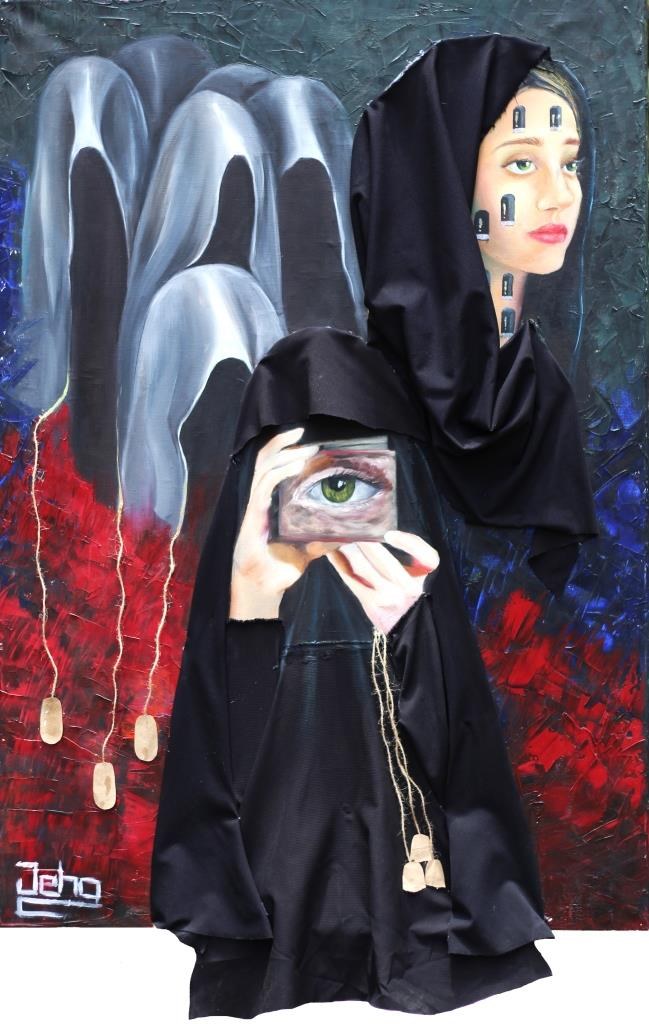
Suad adjusts the lens of the camera. The lighting is good, but she does not ask the person lying down before her to smile, because he can’t – he is dead.
While working at the Ministry of Interior at the beginning of her career, Suad was tasked with uncovering bodies, photographing and collecting information about them, reporting their cases, and then posting adverts about them in the national newspapers in order for their relatives to identify their bodies before permits could be issued to allow them to be buried.
Suad had been working in criminal investigation for twenty-seven years and had been tormented over the years by the scenes of so many bodies stacked in morgues. So she worked, with exceptional diligence, to get bodies buried, even if this meant working outside official working hours. She provided information on unidentified bodies, obtained permits and sorted out burial costs.
Some cases required a full year to obtain permits and to follow the procedures, such as getting forensic reports, prosecution permits and other necessary papers, publication of adverts in newspapers, and awaiting for the appearance of relatives of the dead. All this took a long time, but Suad worked patiently.
When the war broke out in 2015, the situation deteriorated because power outages affected the cold chambers. The economic collapse led some to leave the bodies of their relatives for months because they could not afford the costs of burial, or because hospitals, where patients had died, refused to hand over their bodies before they were reimbursed for the treatment costs which the families couldn’t afford. So Suad had to get funds from donors to release the corpses.
Suad was not looking for money only, but also sometimes for graves from donors. For example, years ago, a benefactor donated half a cemetery in which Christians could be buried, when all graveyards refused to bury them for religious reasons. She also stood with the residents of a neighbourhood in the face of some parties who tried to annex a cemetery to their property. She paid, from her income, the cost of fencing the cemetery to protect it.
One body Suad had to take a photo of was the body of a young child found dumped in a street garbage bin. These children do not get buried easily, because investigations last long, leaving them in morgues for long periods of time. During the war, hospitals became overwhelmed with bodies. Three bodies were piled on each morgue cabinet or bed. Suad pondered the fate of the poor child – where would they ditch his little body?
She held the camera, adjusted the lens, made sure the lighting was right, smiled tenderly, and took – for the child with closed eyes – his last shot.


Leave a Reply
Want to join the discussion?Feel free to contribute!