Event 399 – Closing Ceremony -Alternative Views

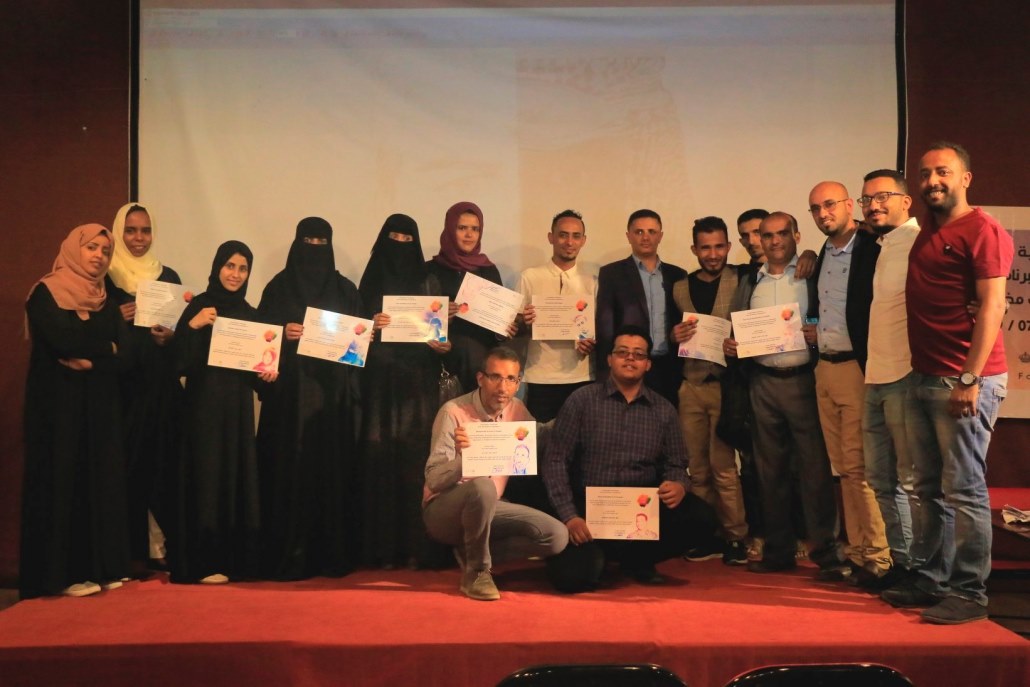
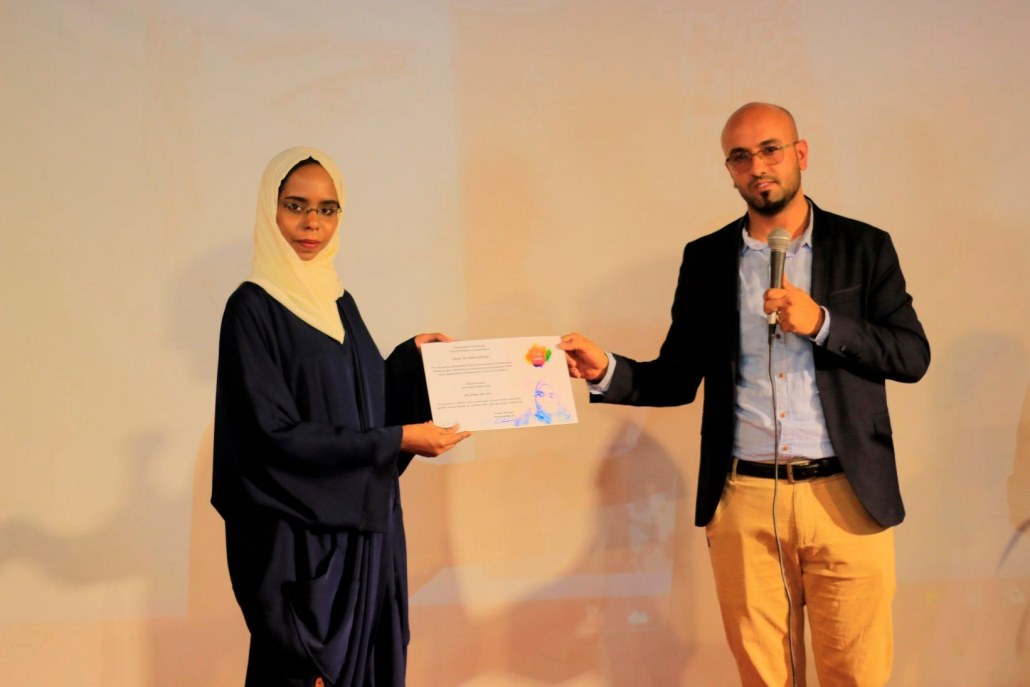
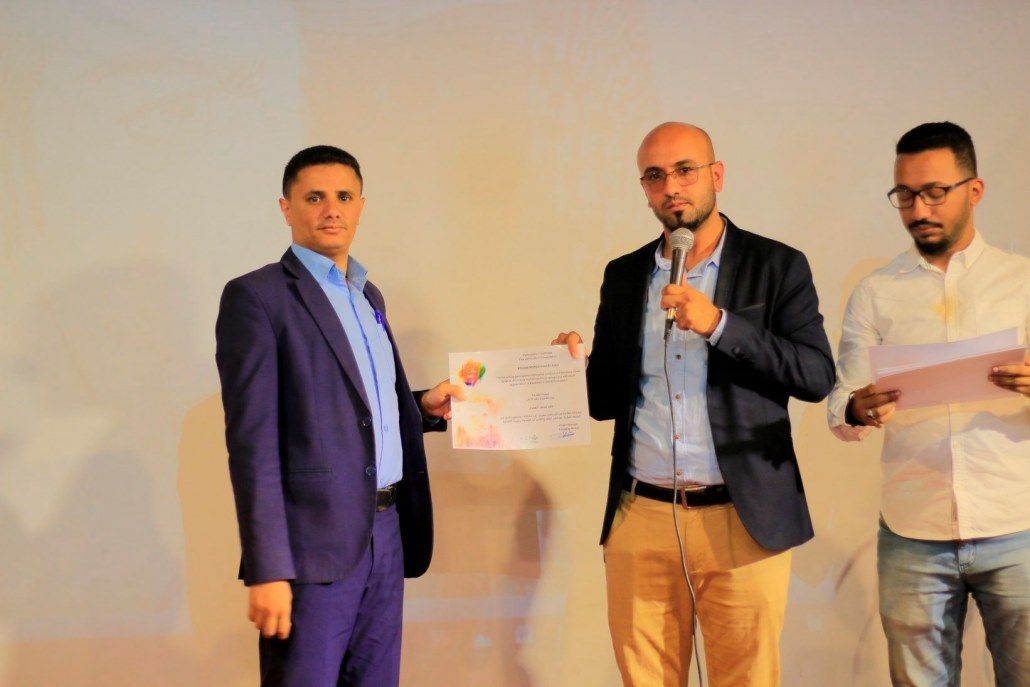
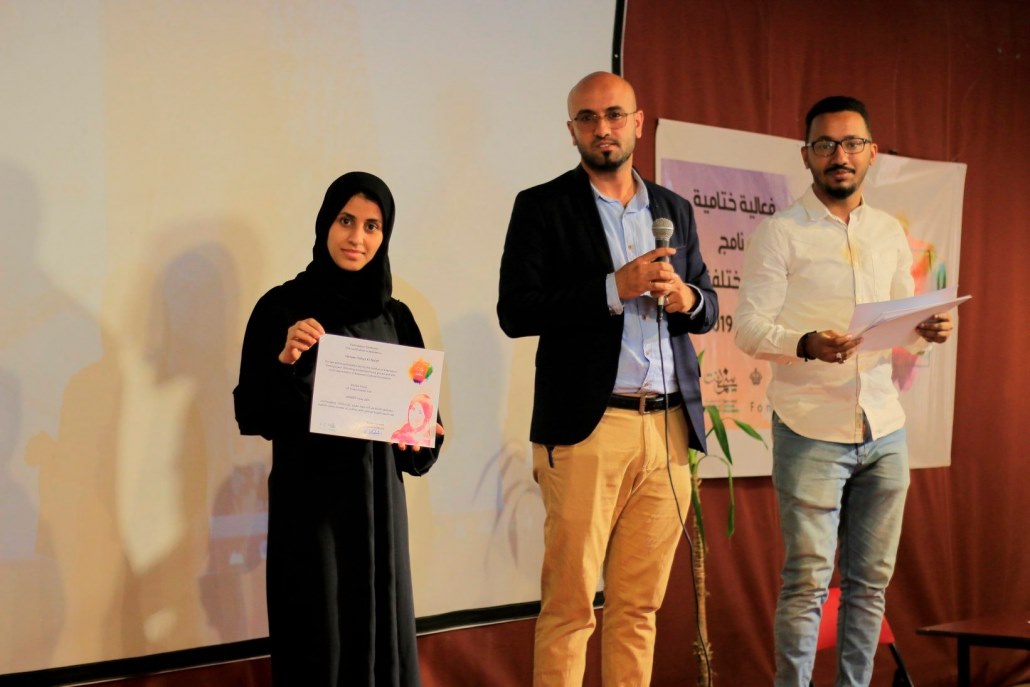
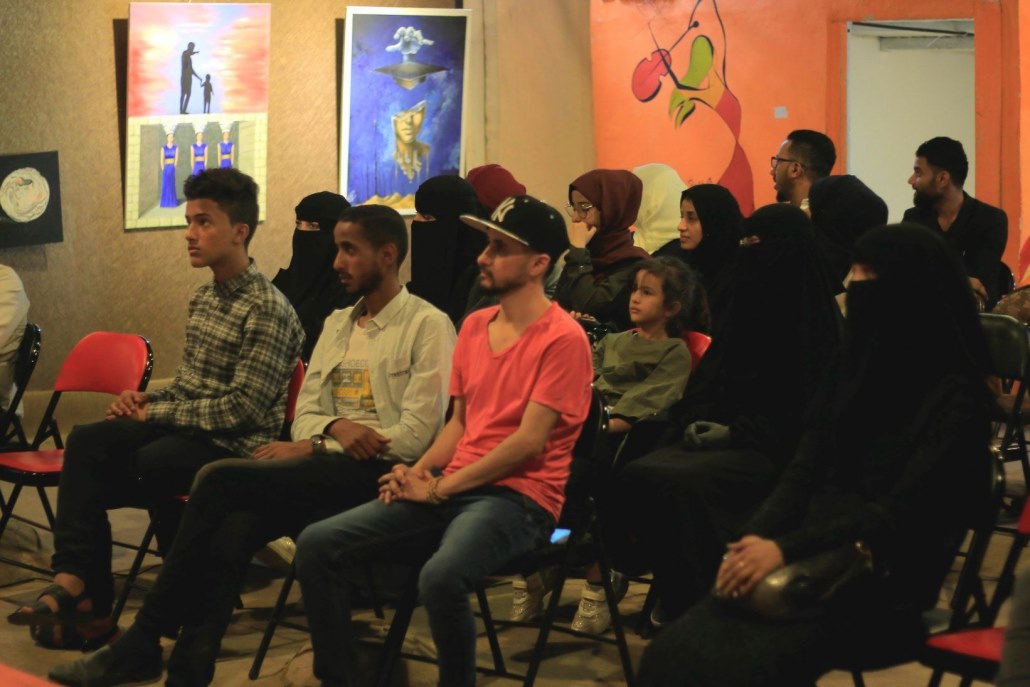
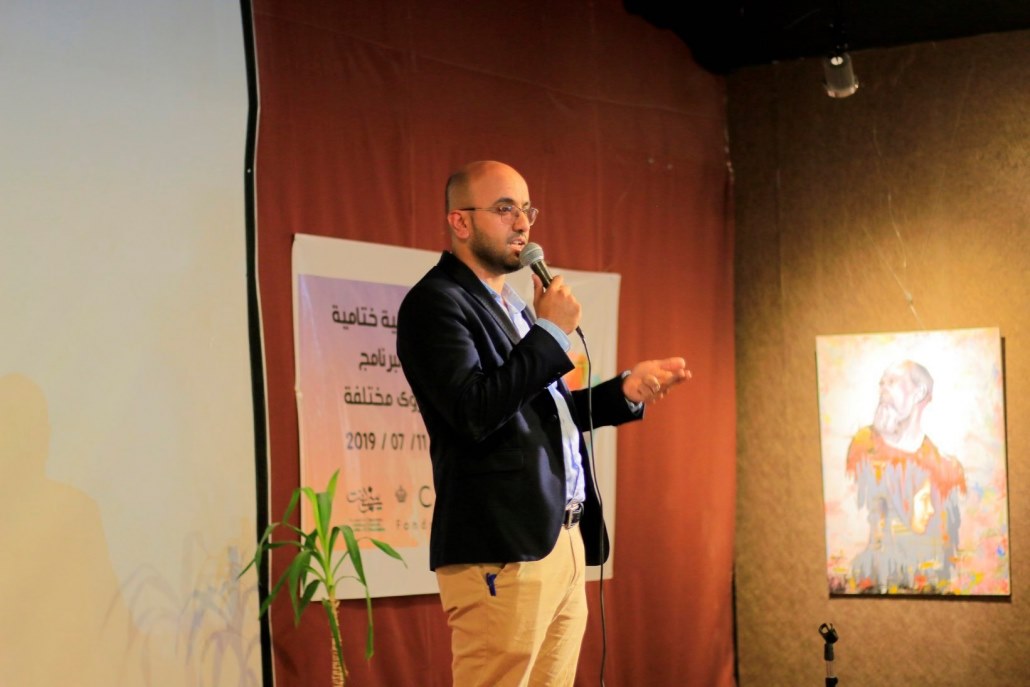
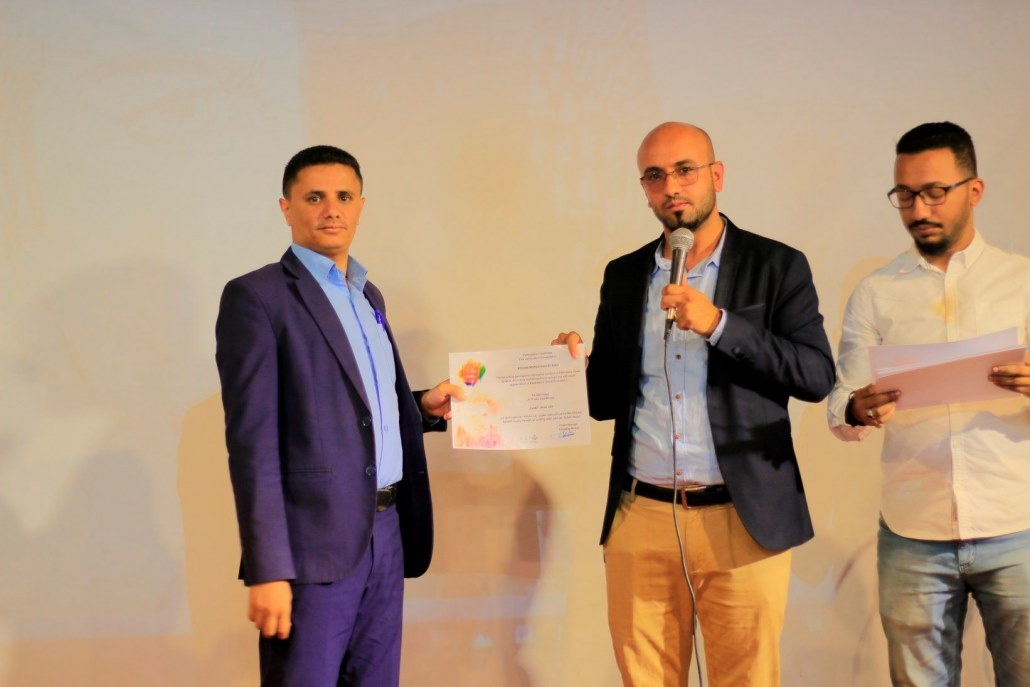
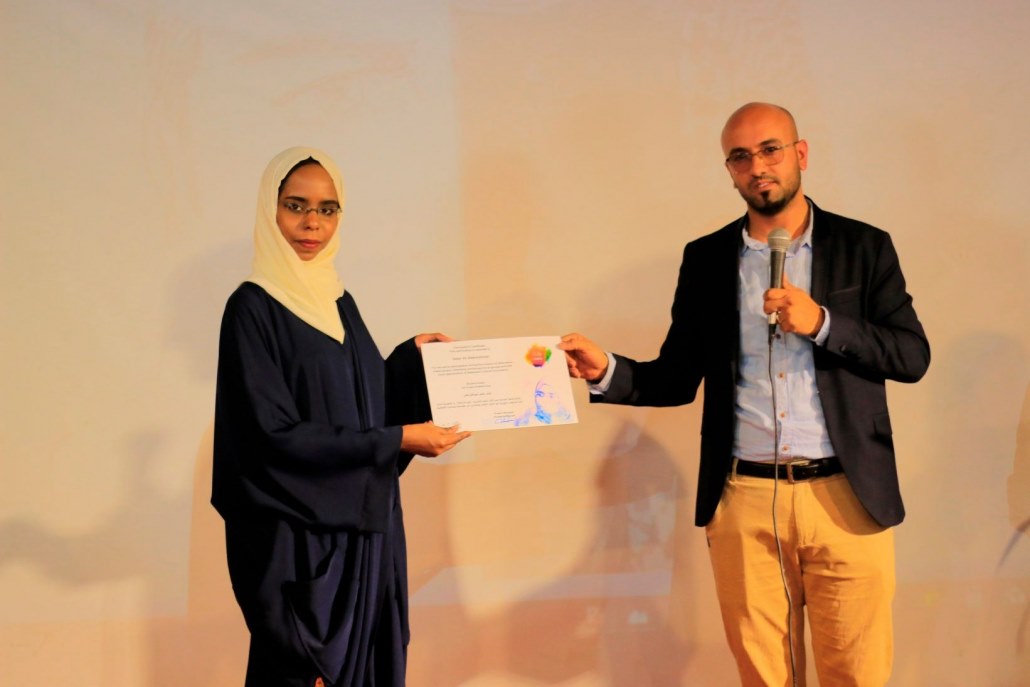
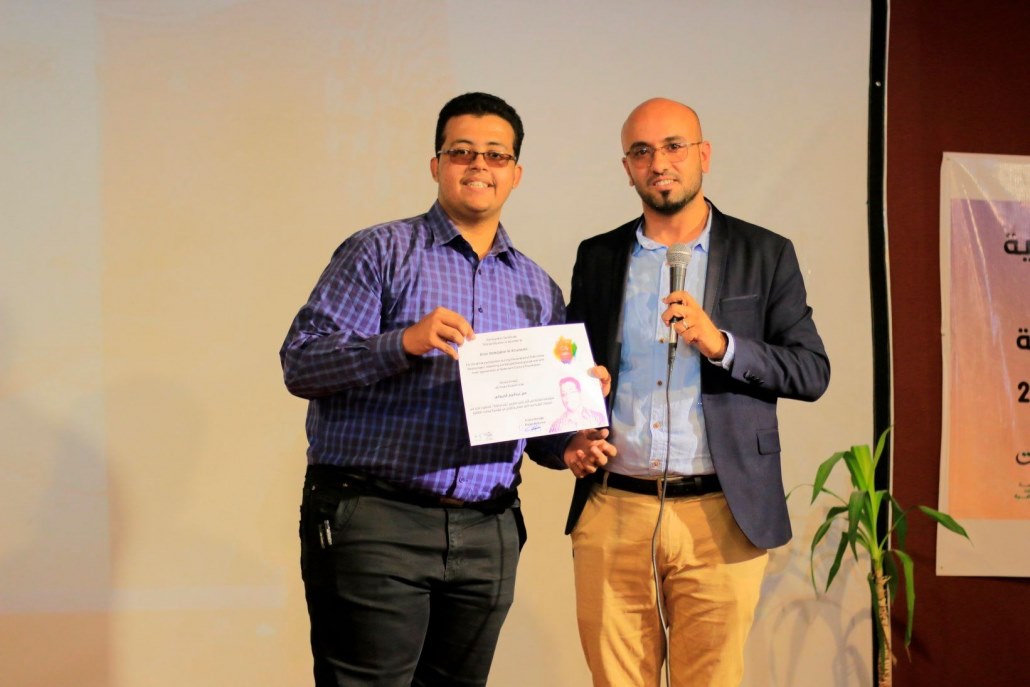
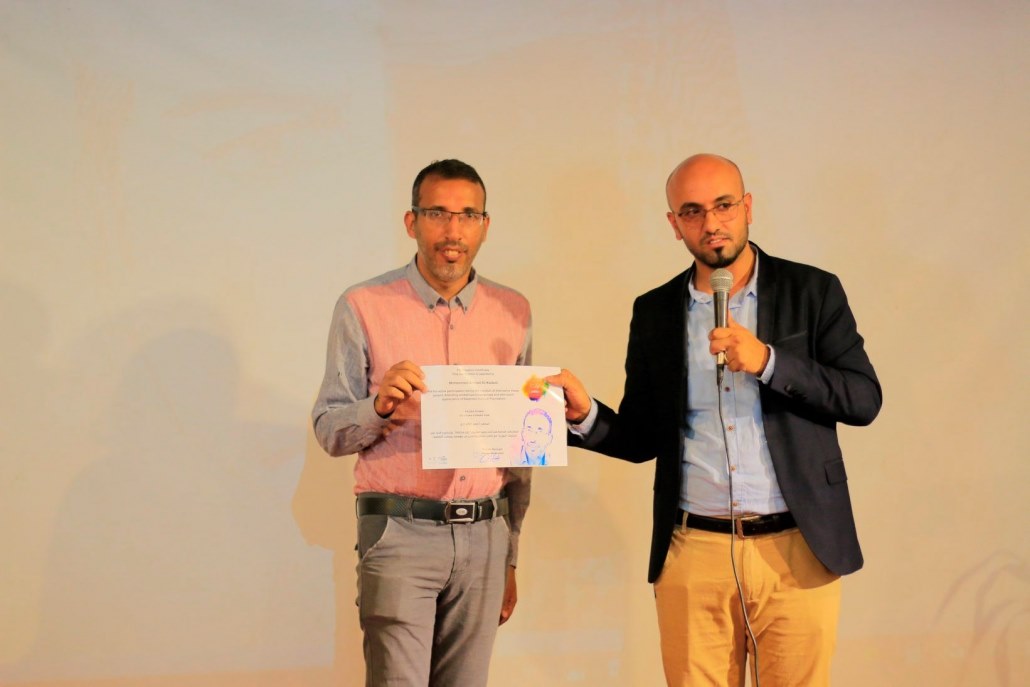
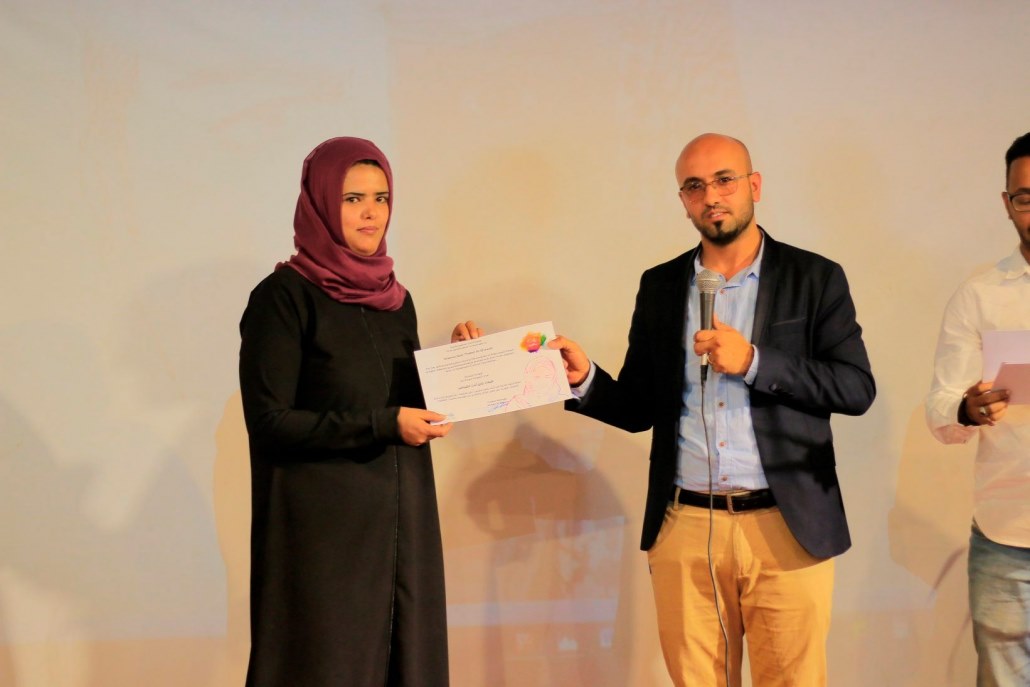
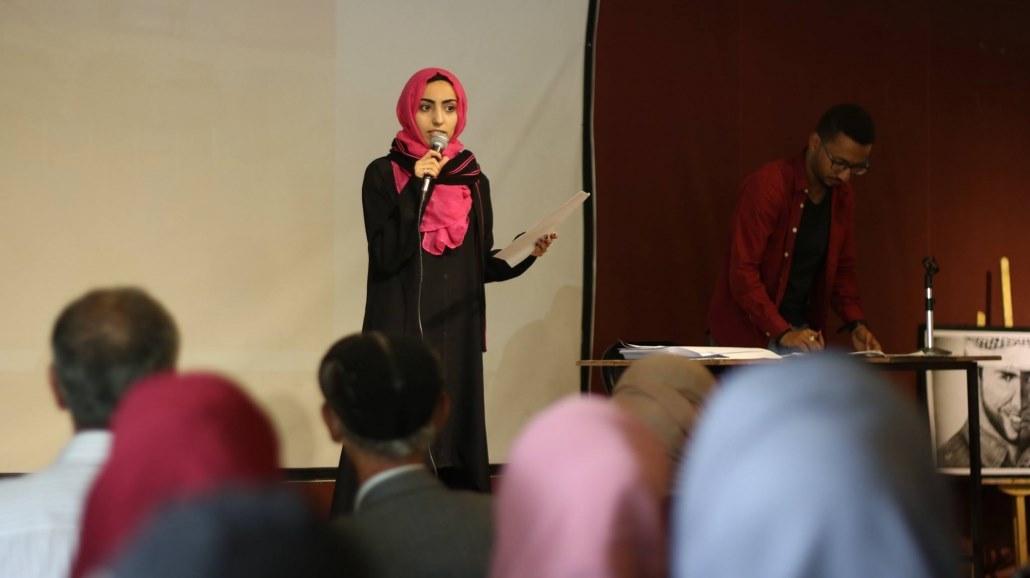
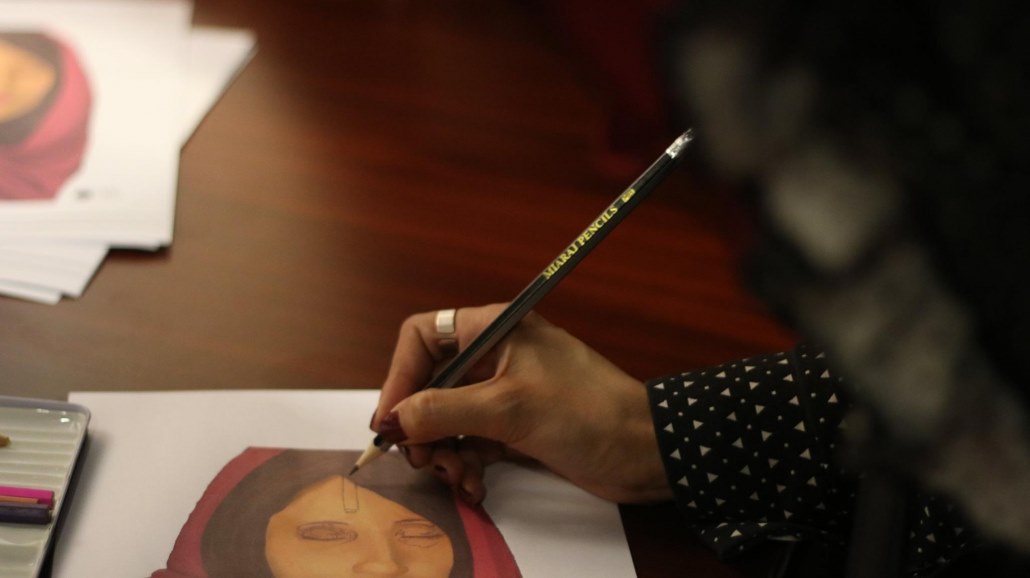
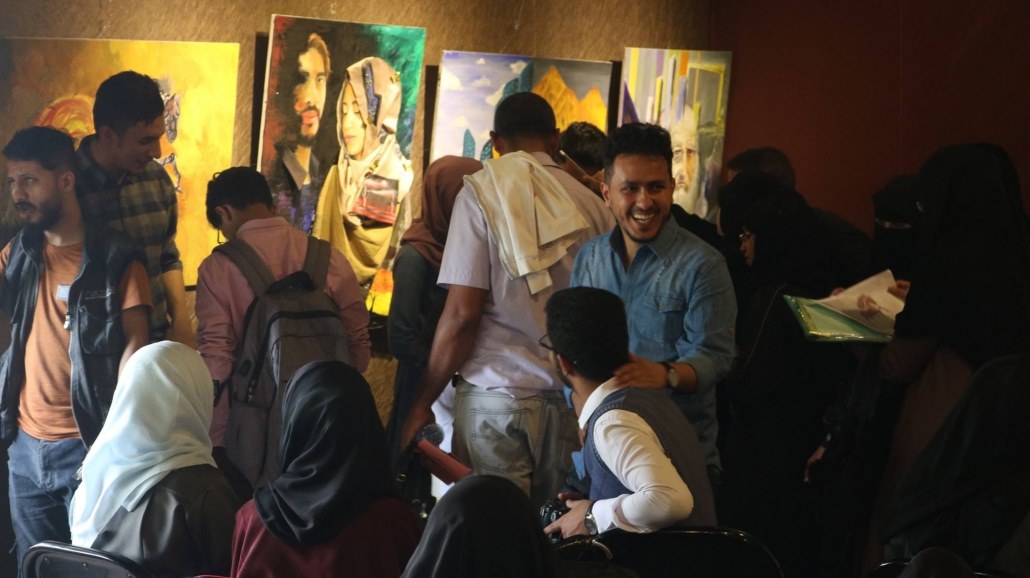
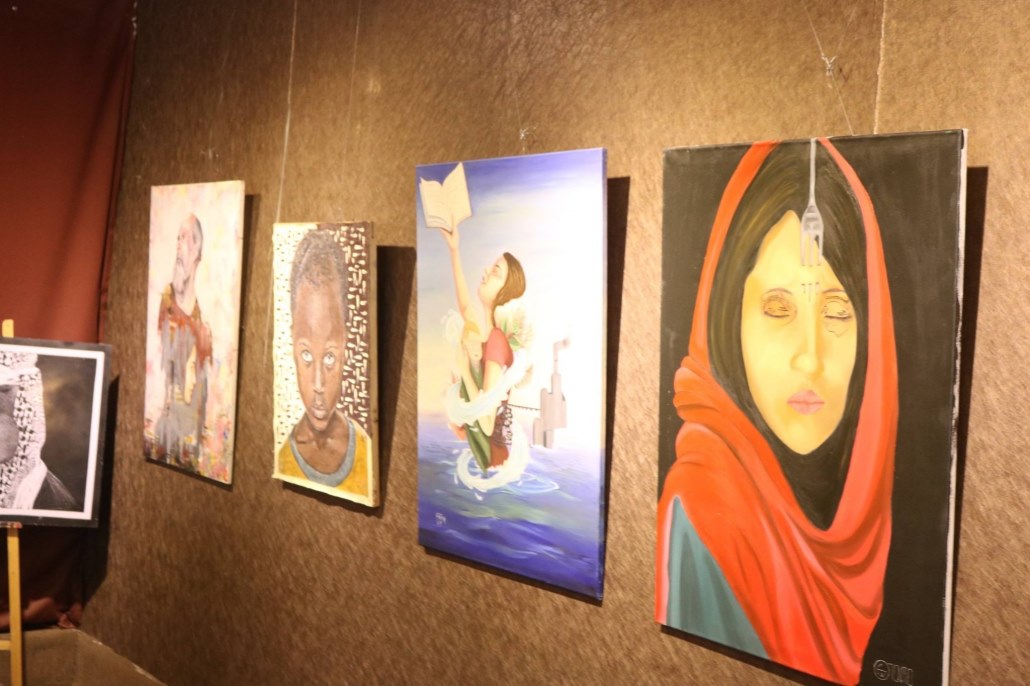
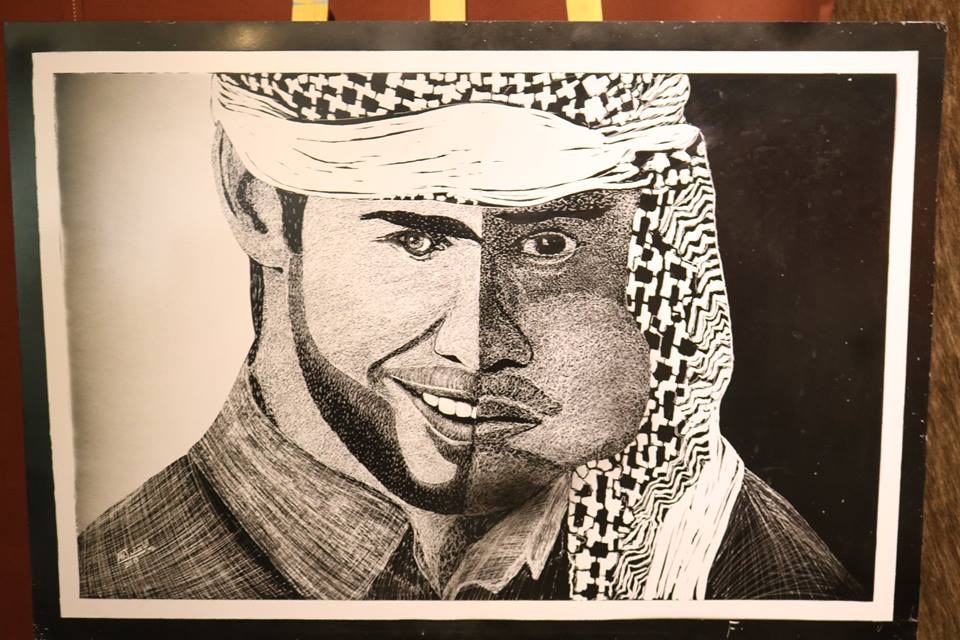
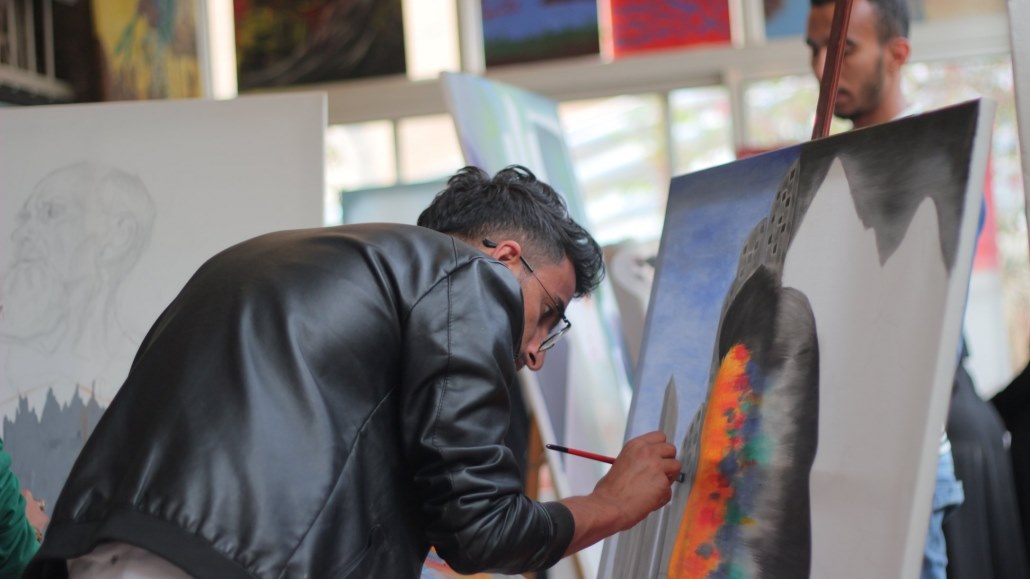
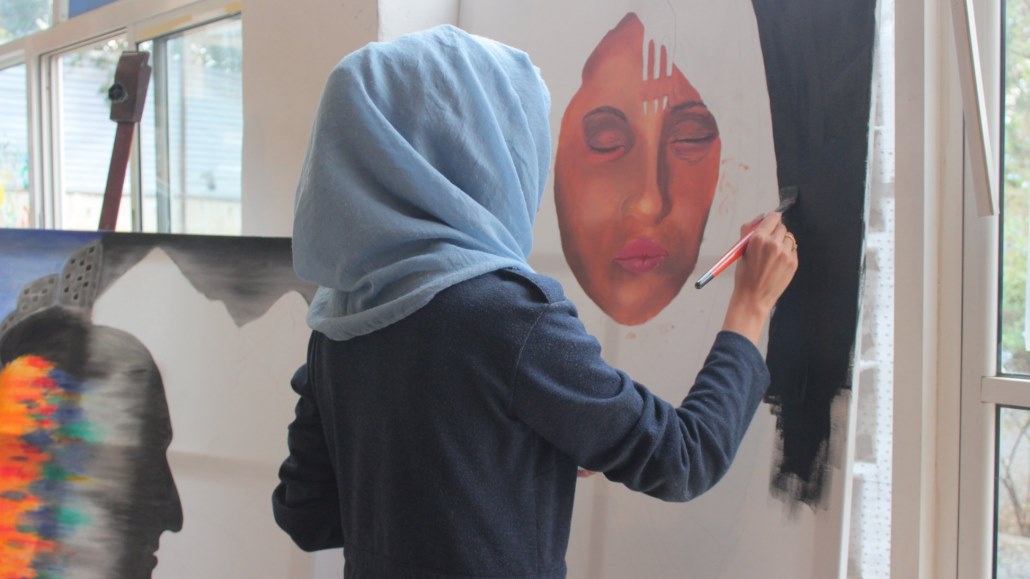
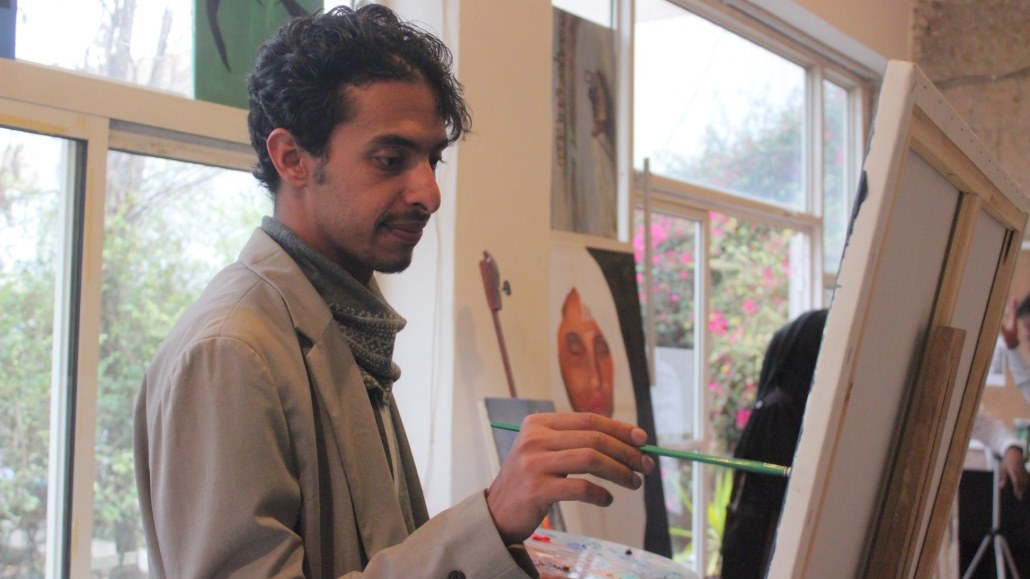
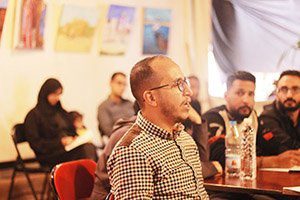
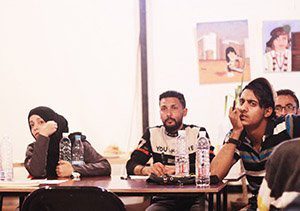
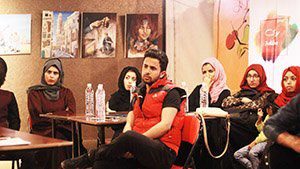
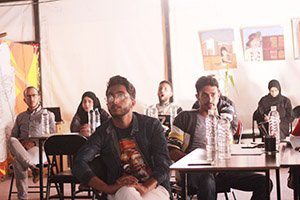
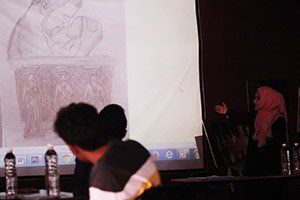
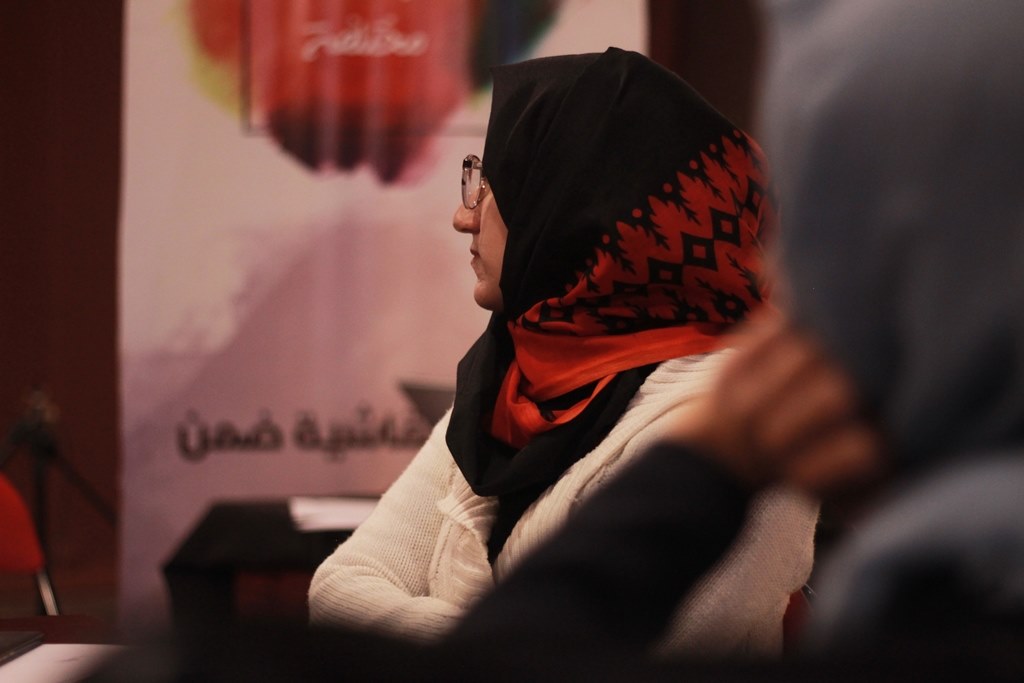
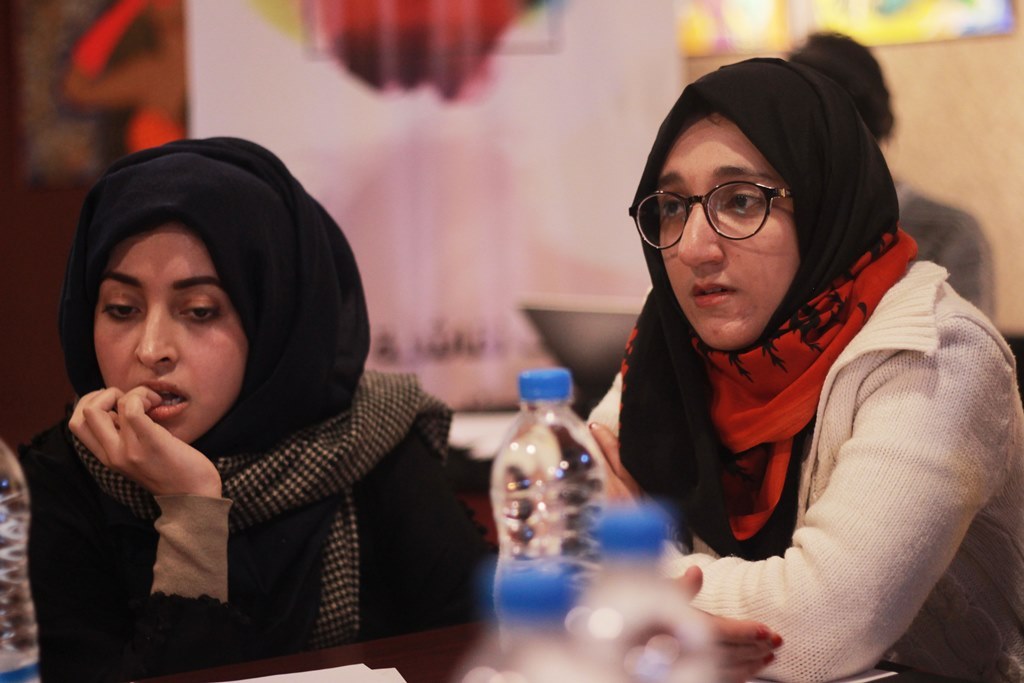
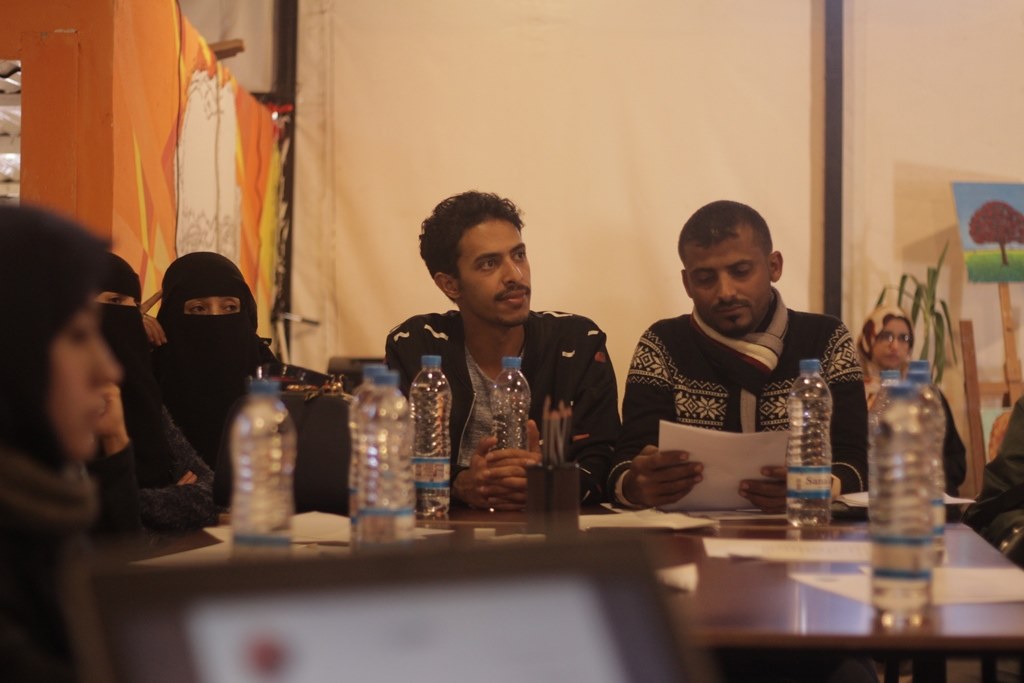
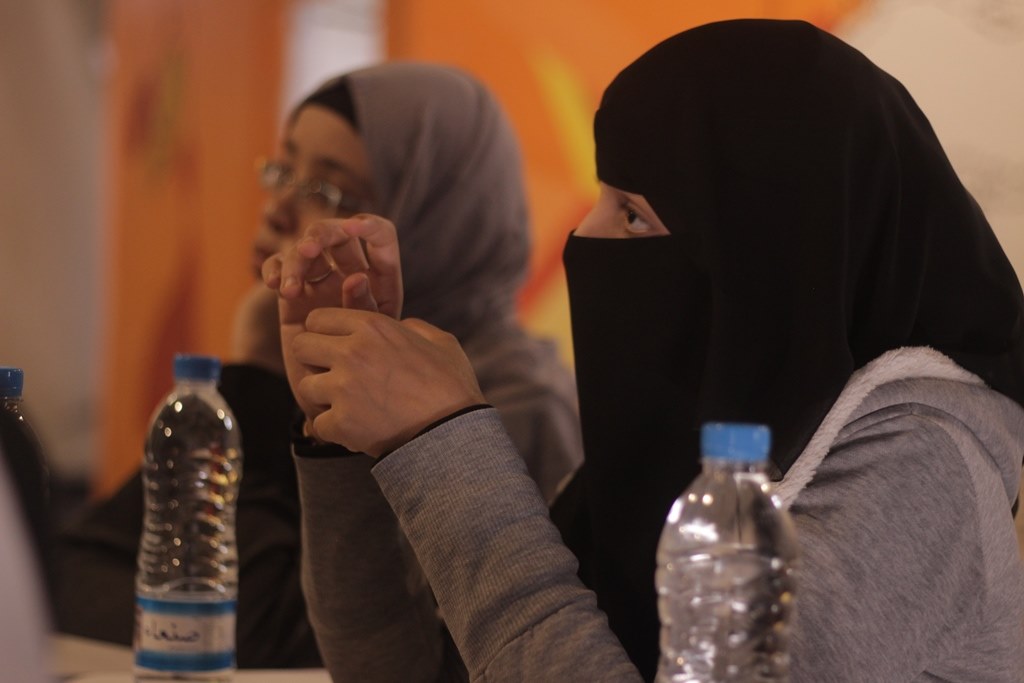
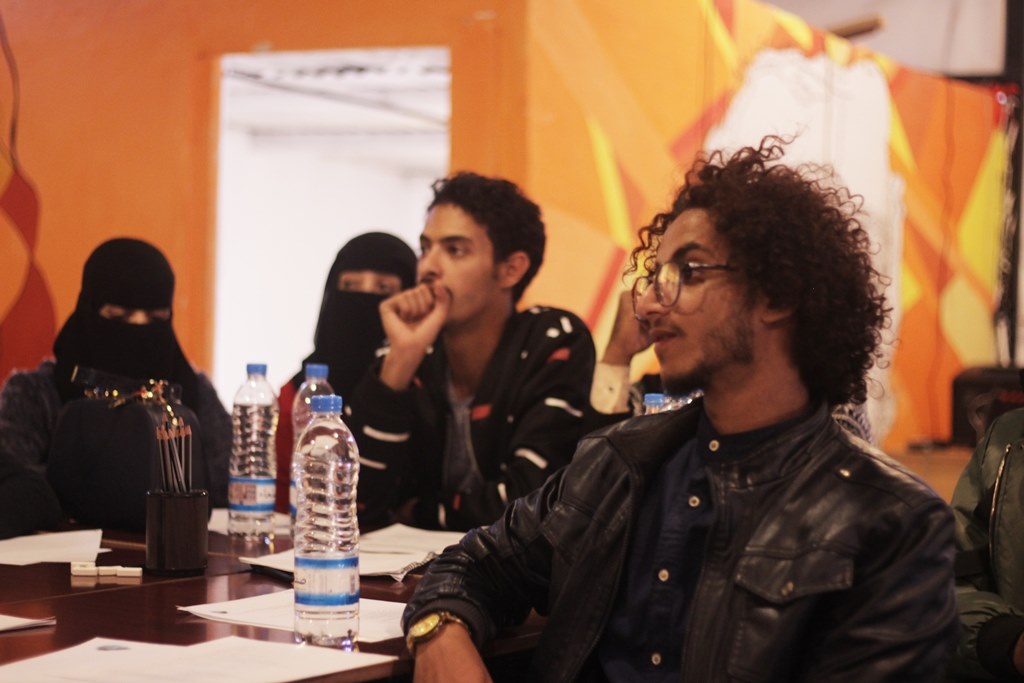
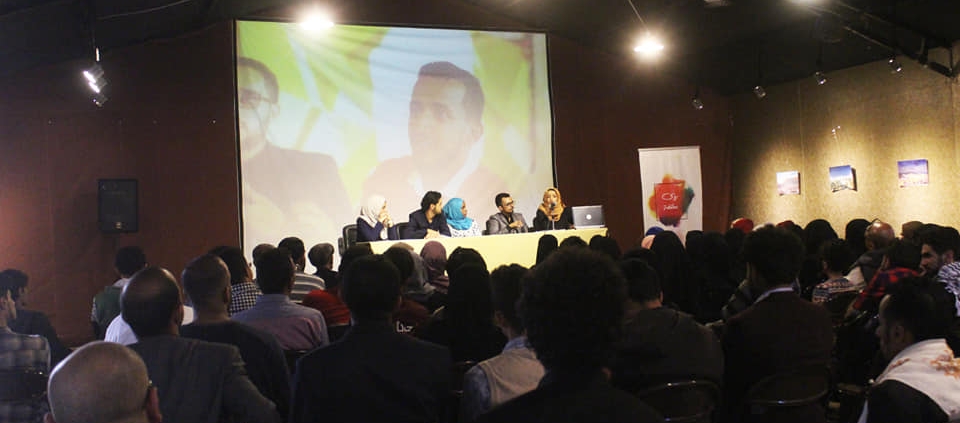
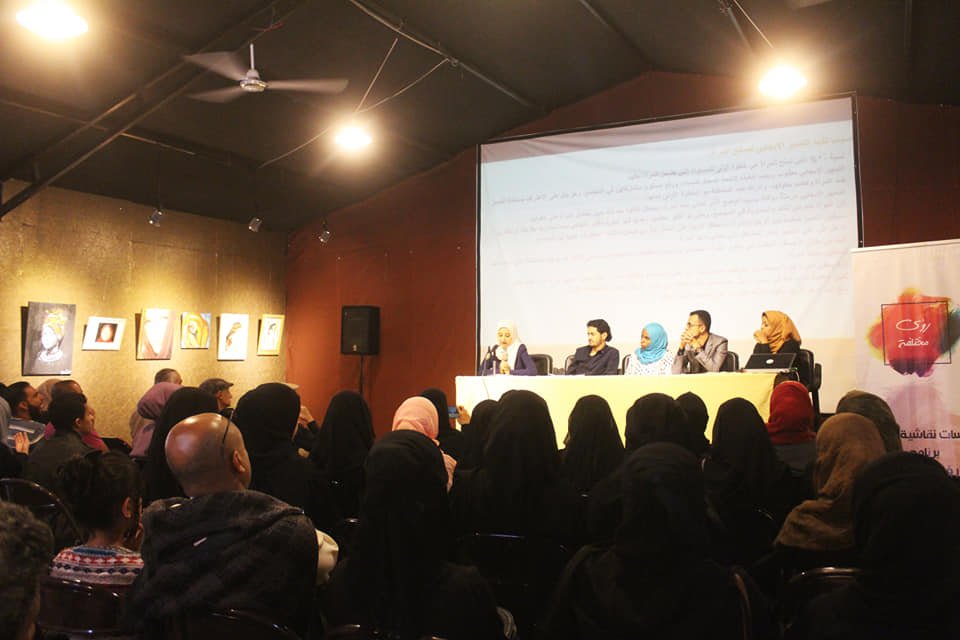
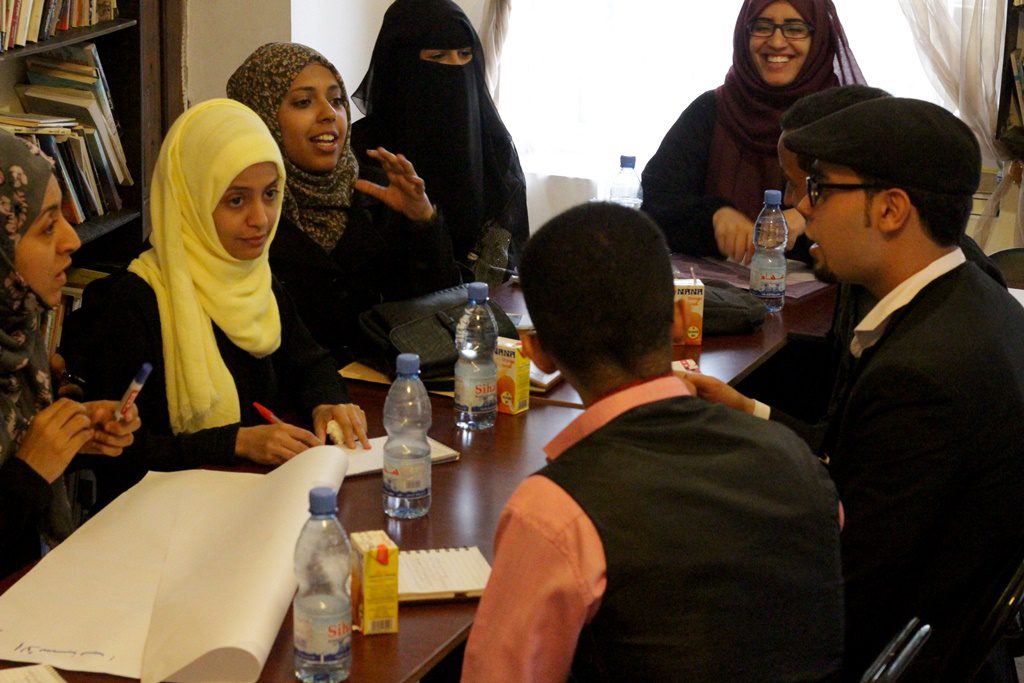
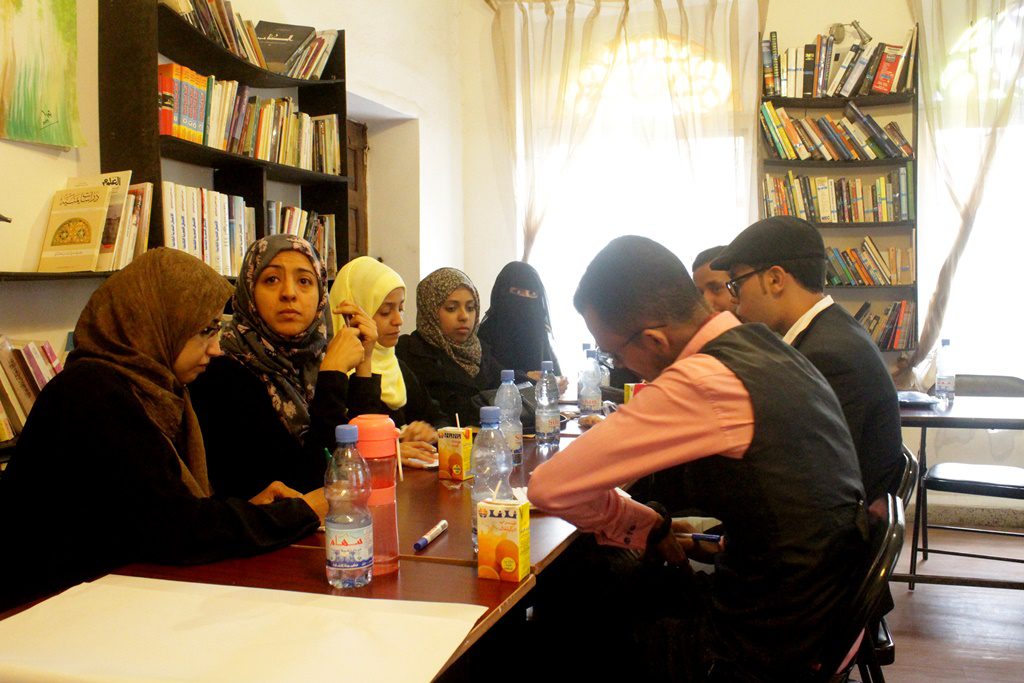
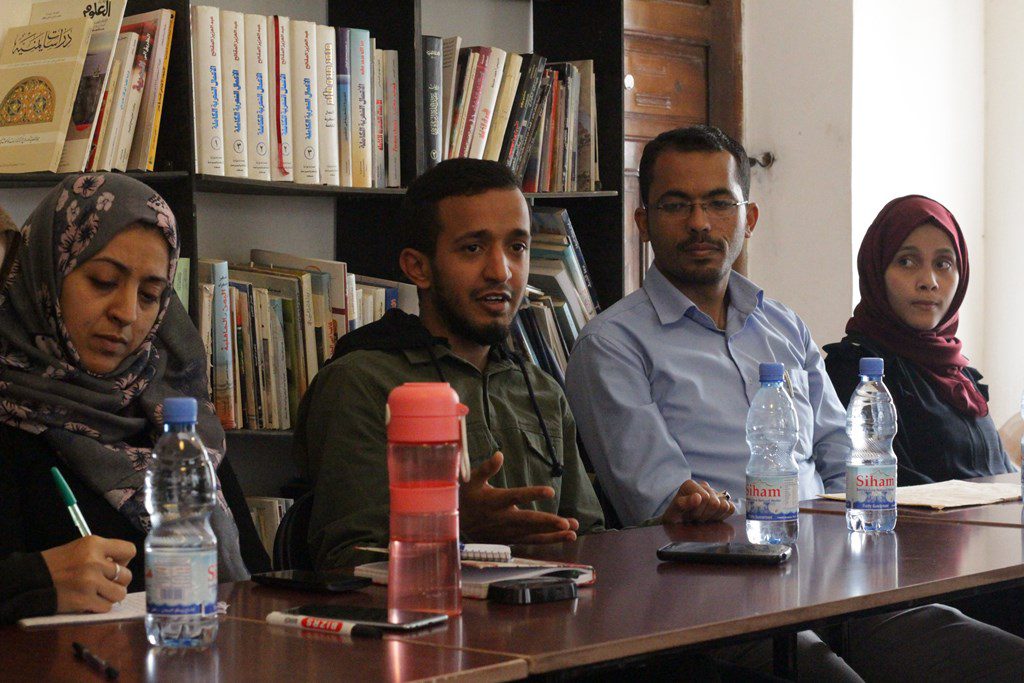
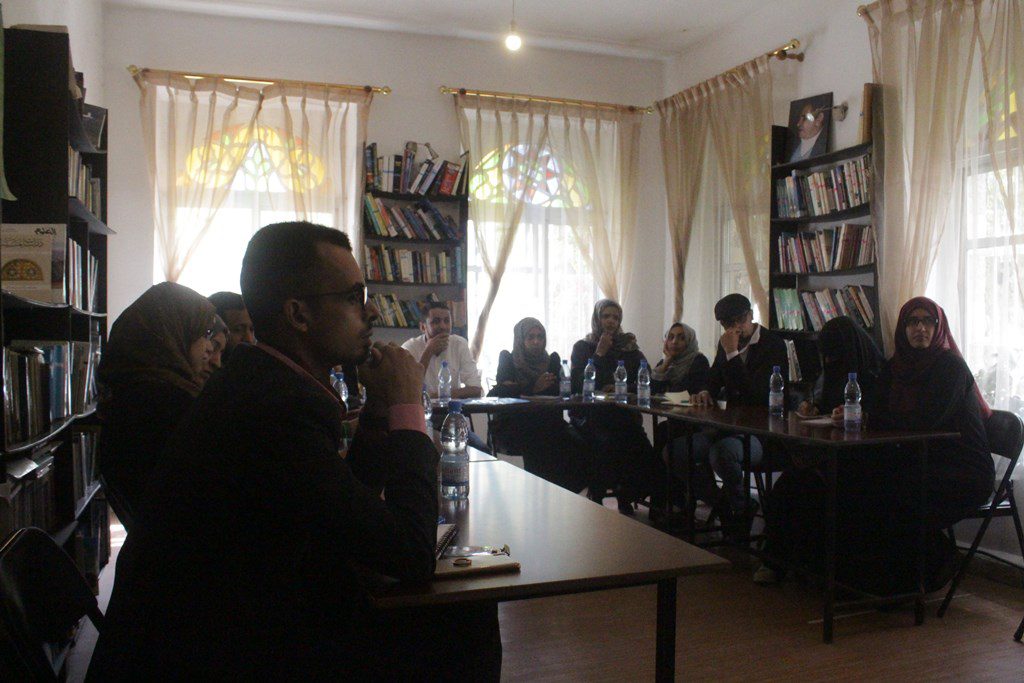
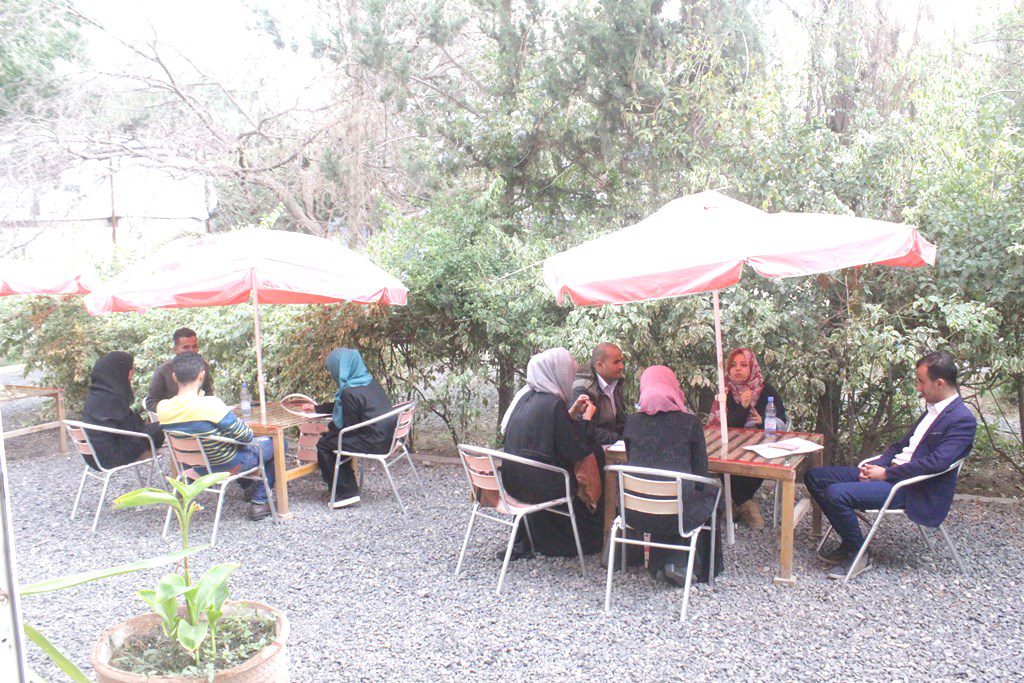
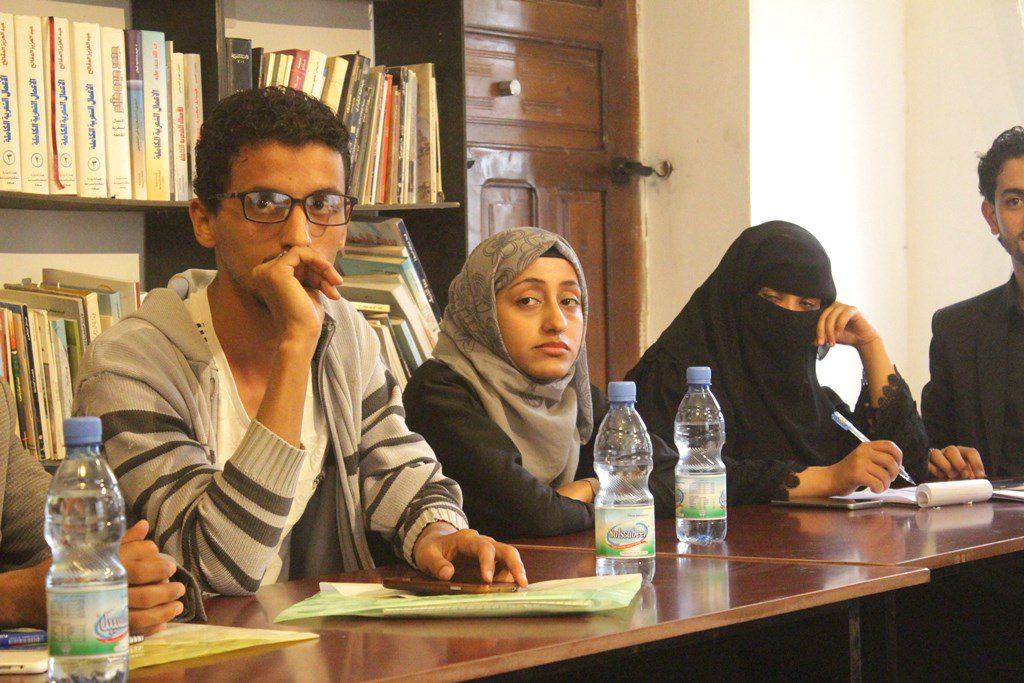
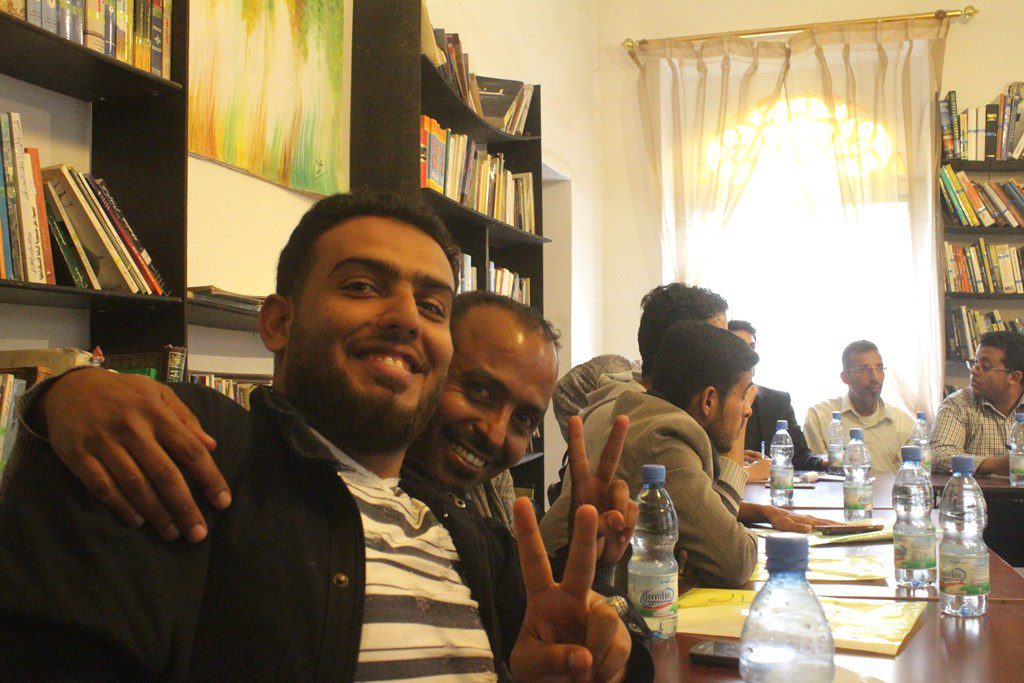
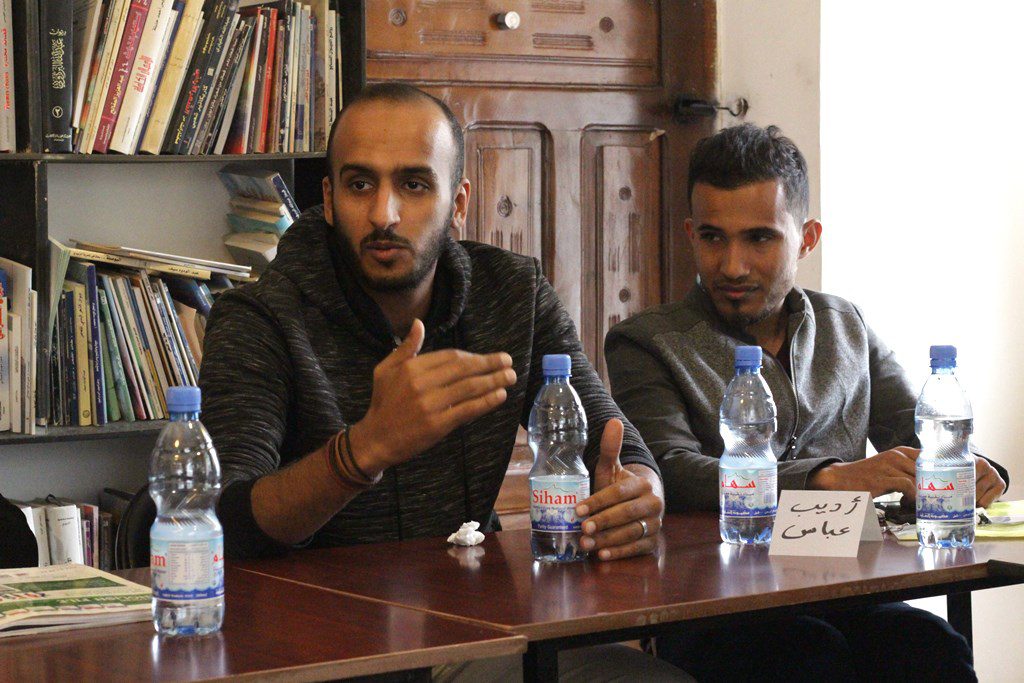
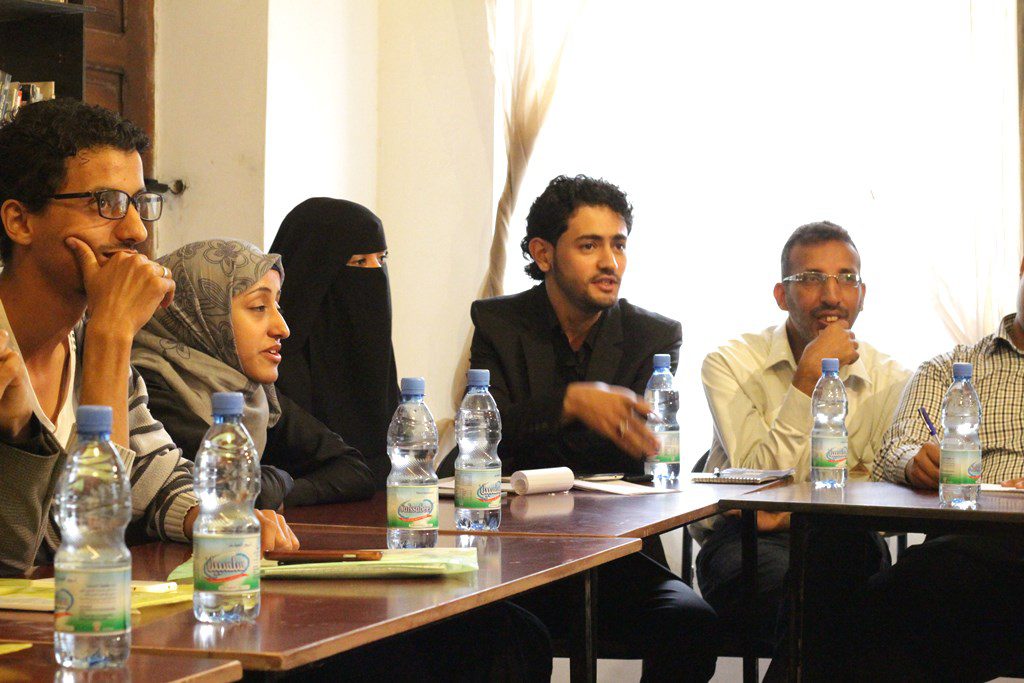
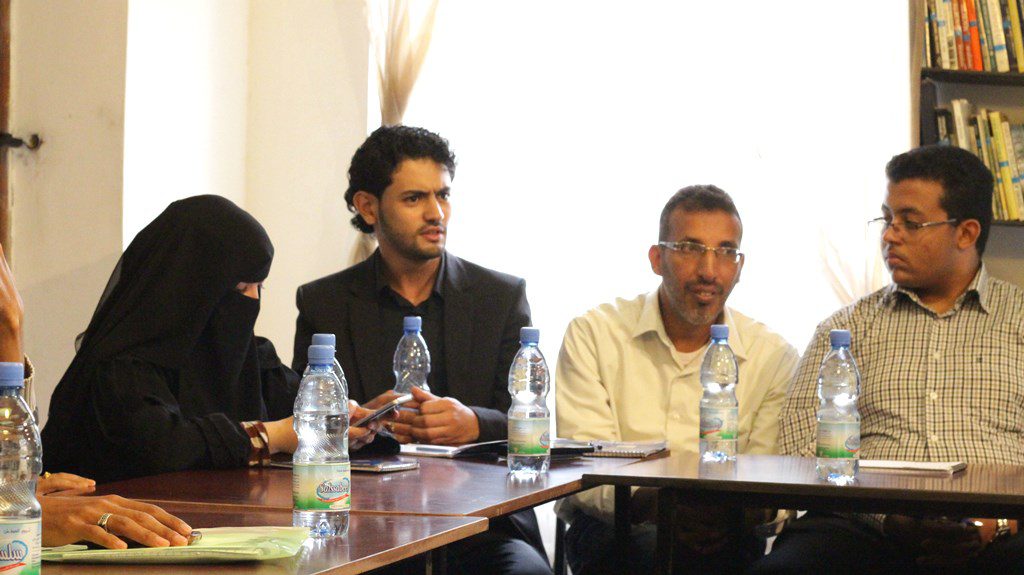
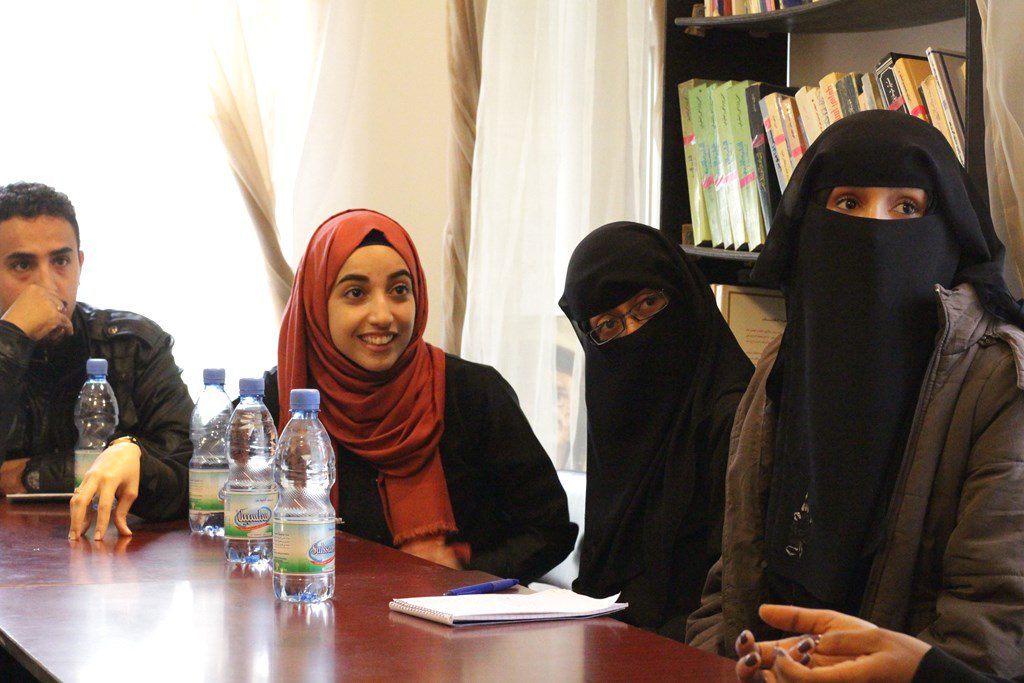
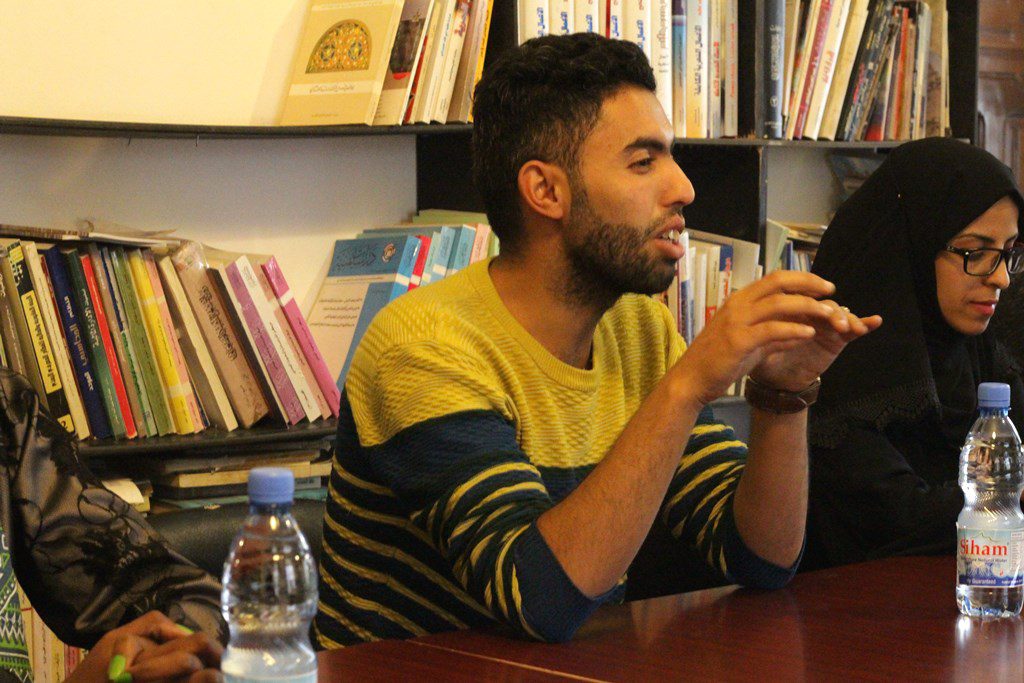
Thursday, July 11, 2019 was the closing event of  activities of the project “Alternative Views”, a project organized by the Basement Cultural Foundation during the past months, which allowed the young men and women to present their different views on social issues, which were then reflected in 12 artworks, among the paintings presented in the exhibition (Contrast) which was conducted last April in which the audience participated in drawing, and an interactive play entitled (case).

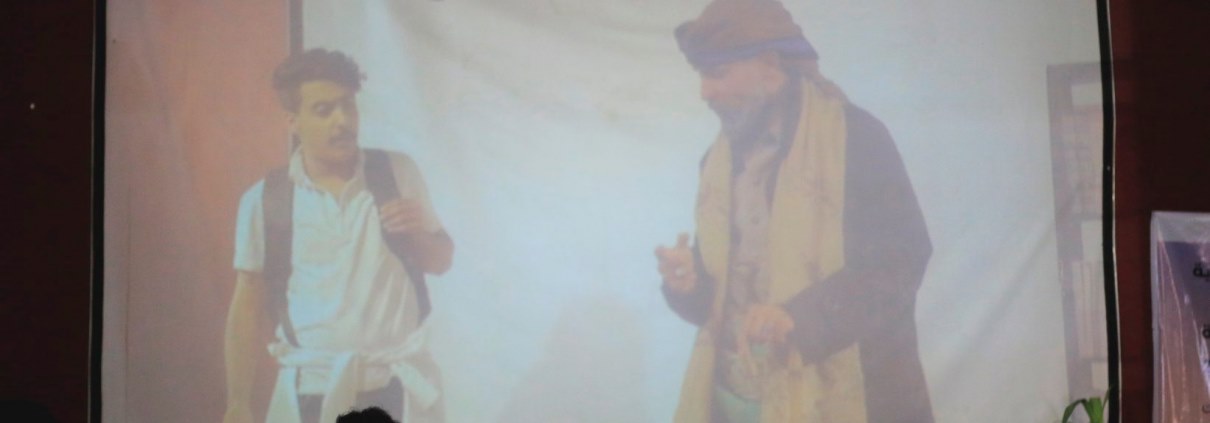
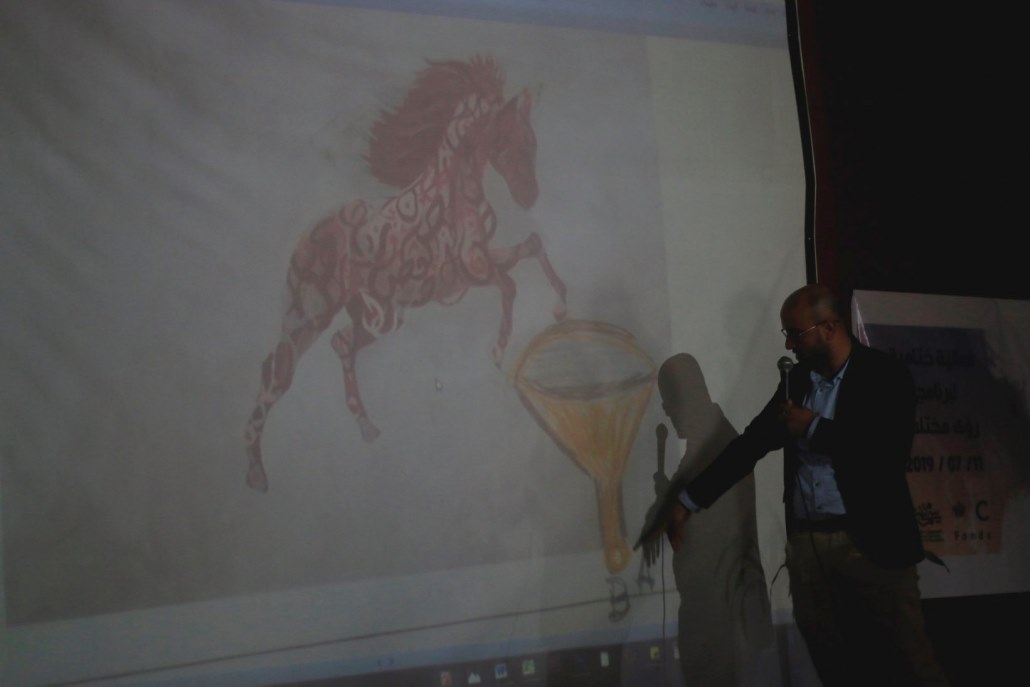
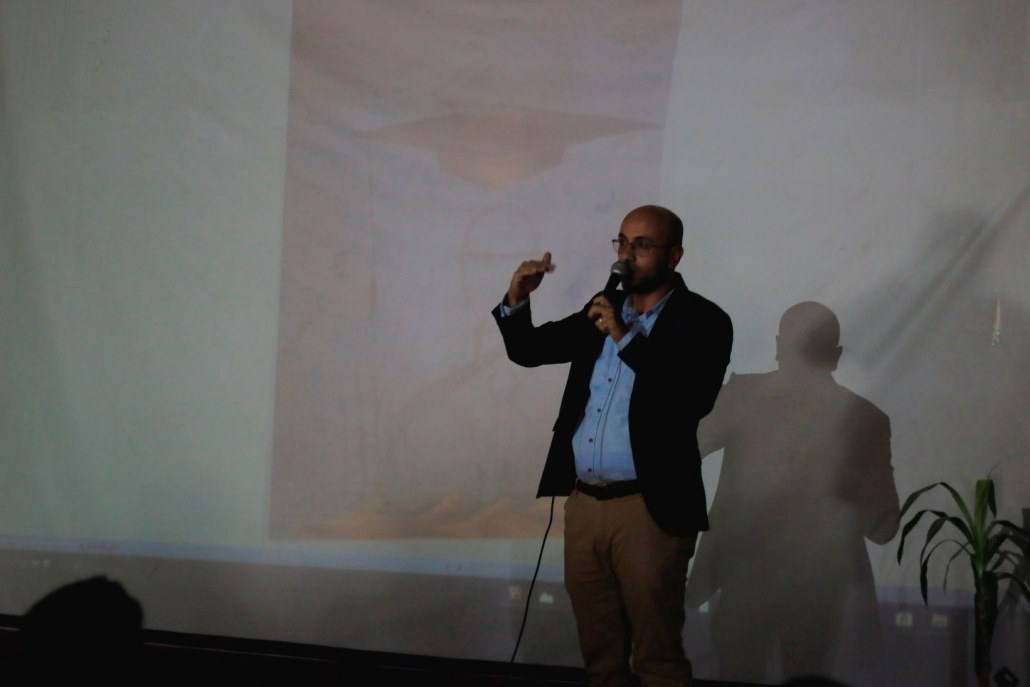
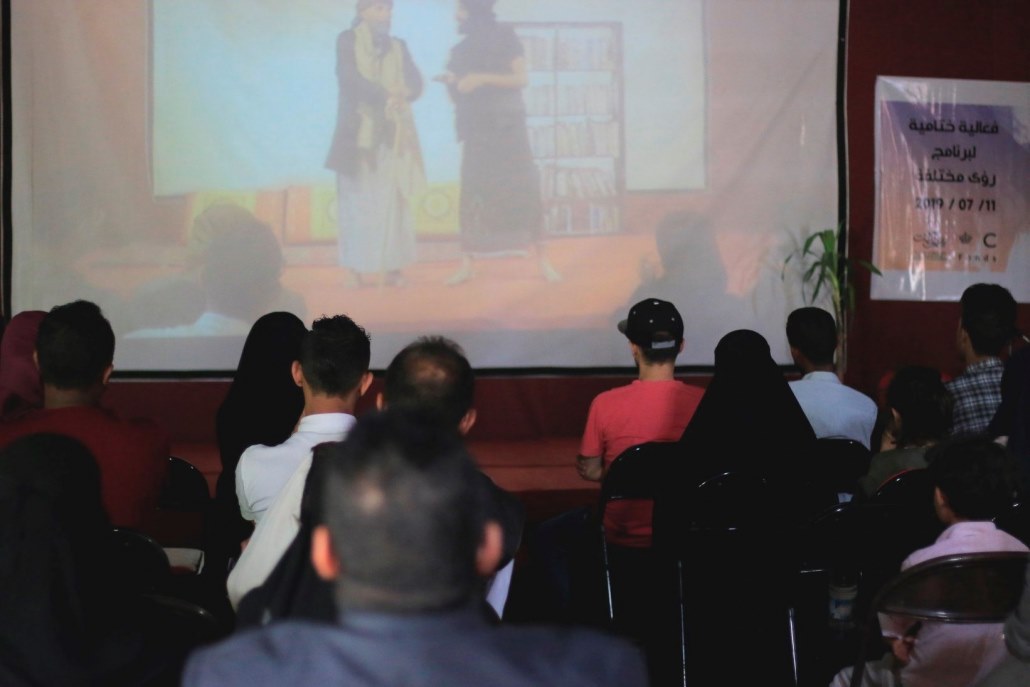
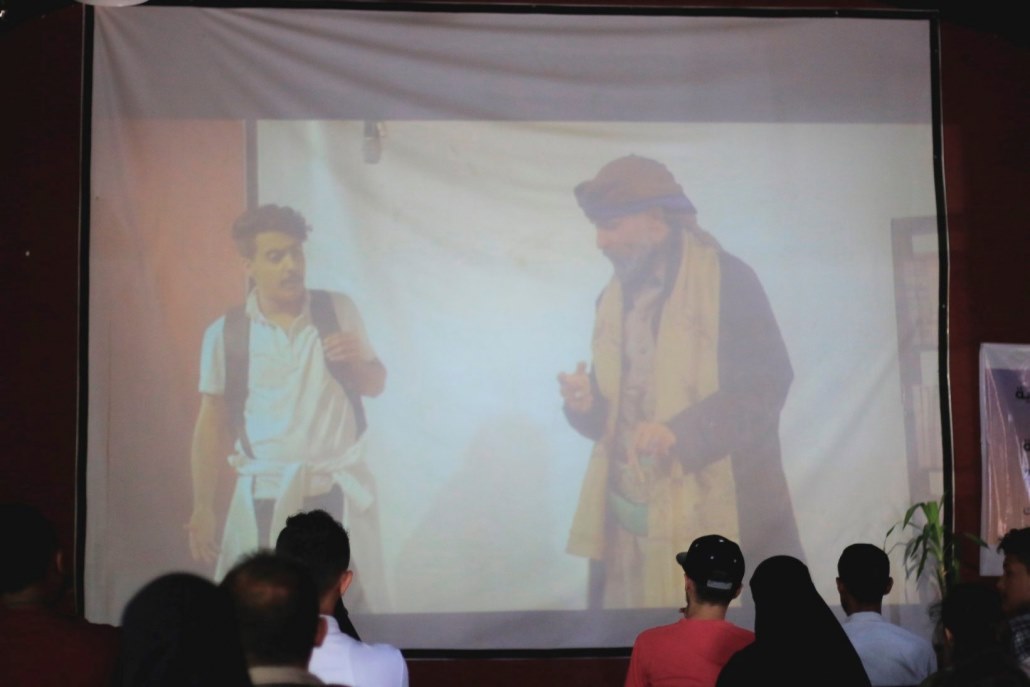
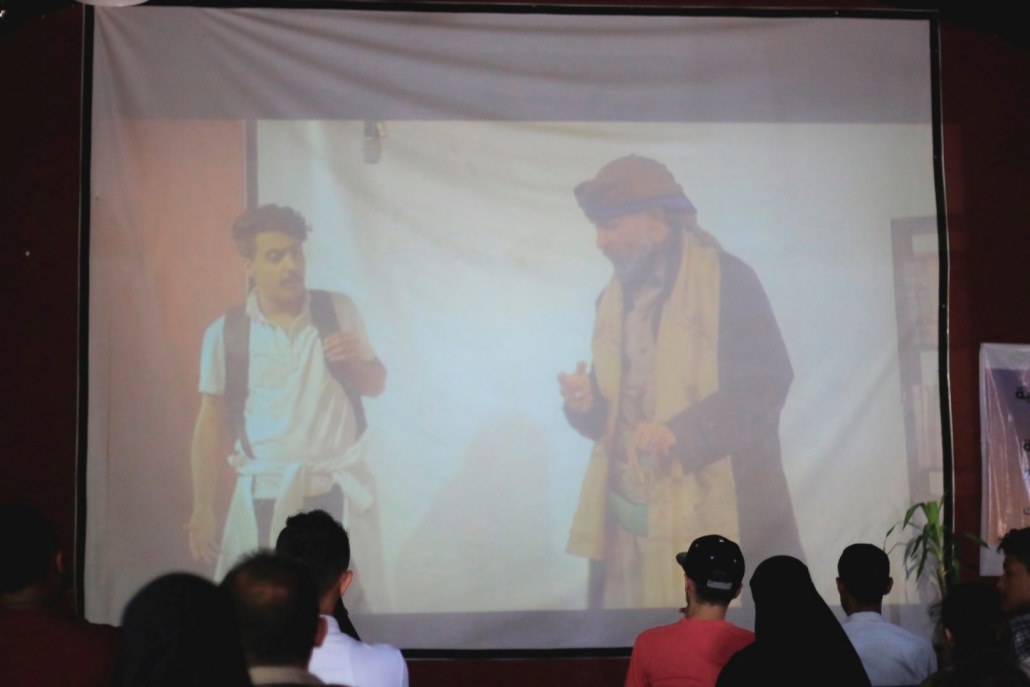
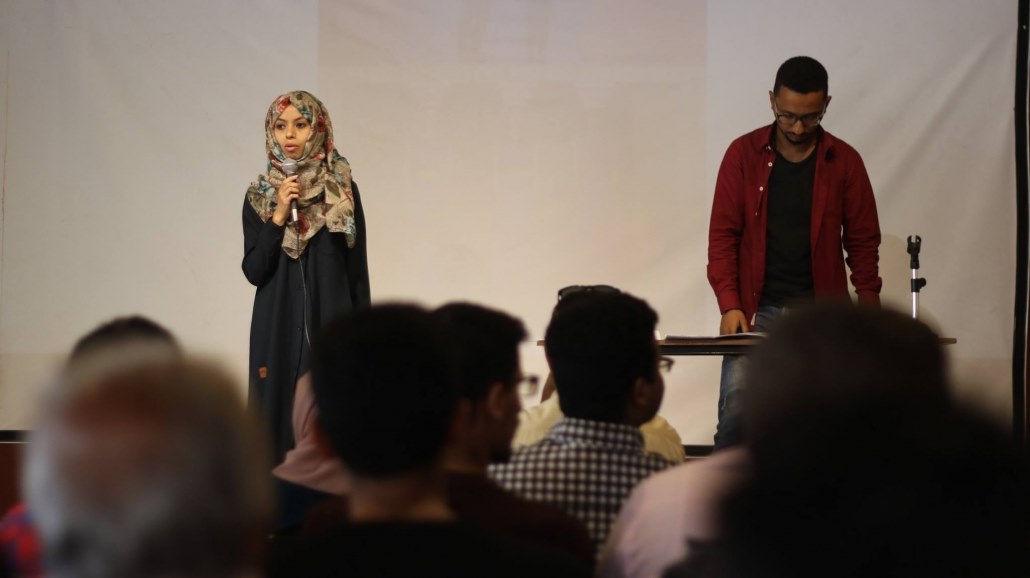
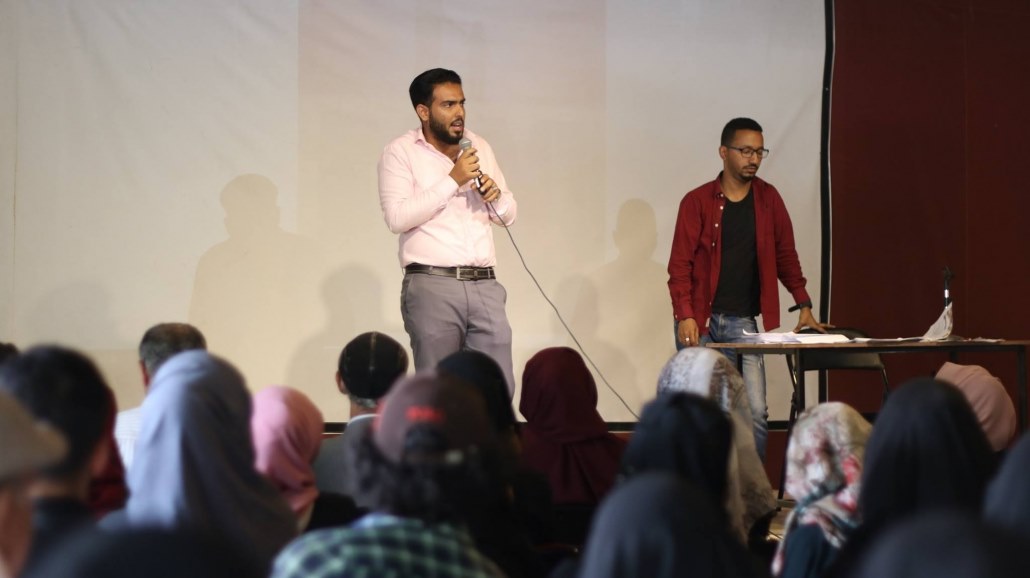
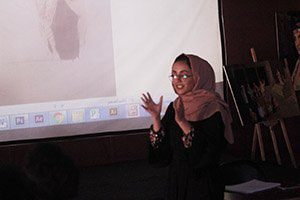
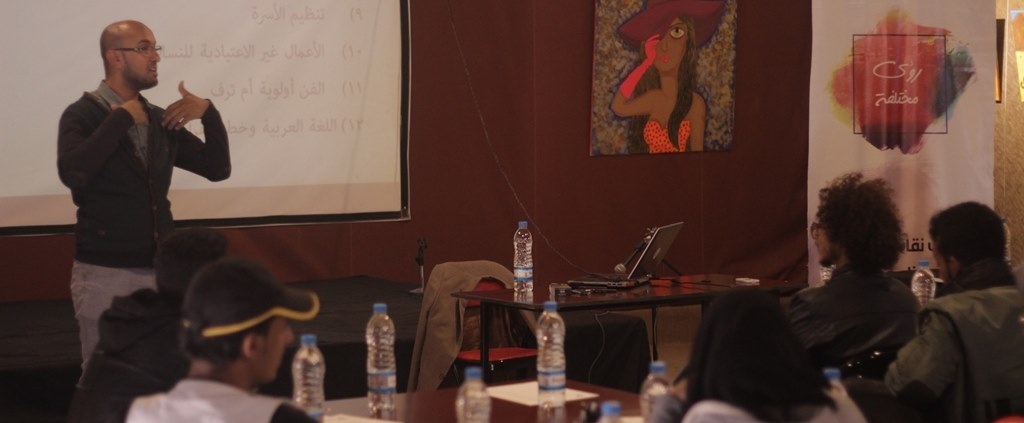
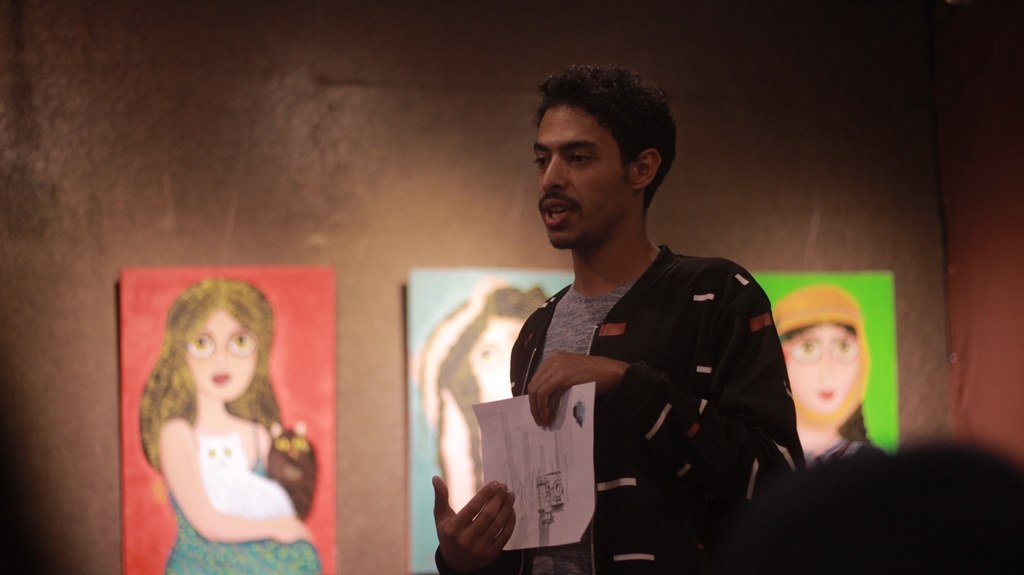
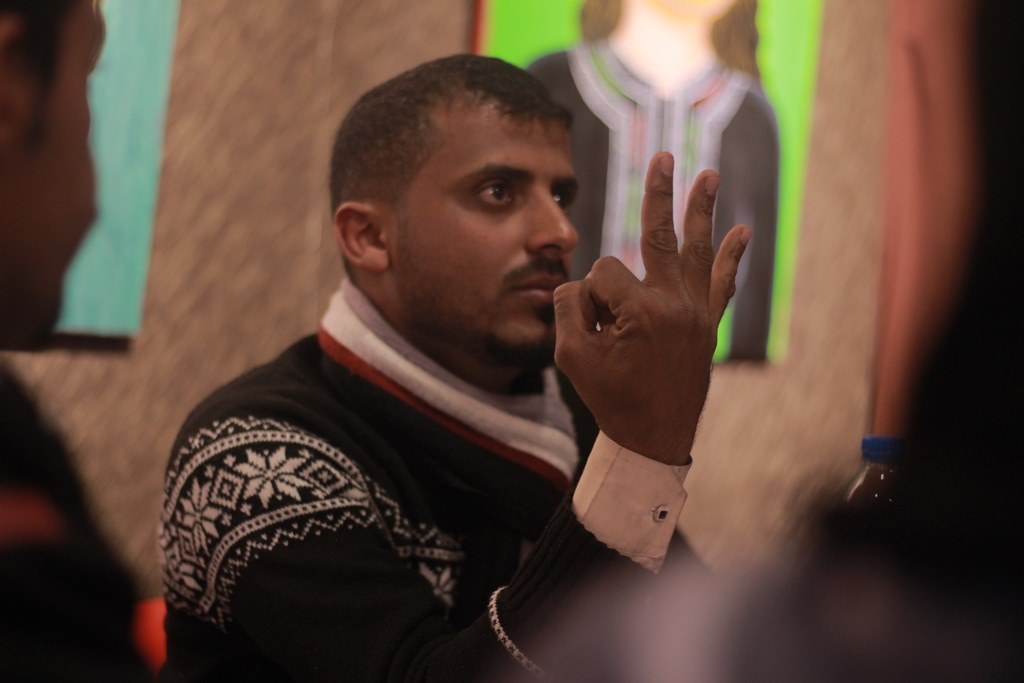
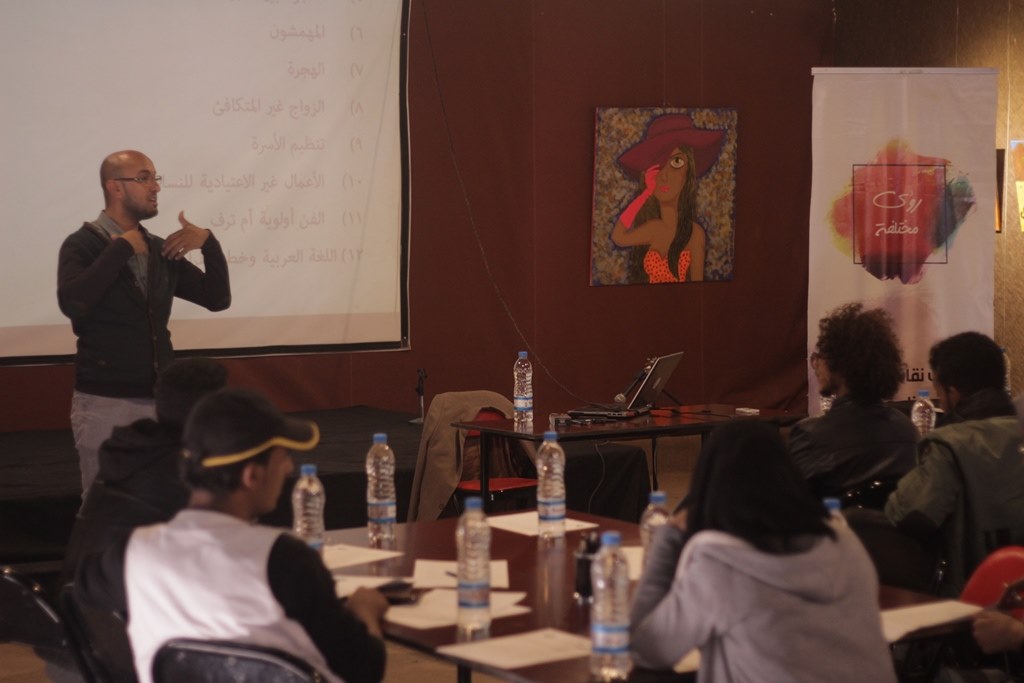
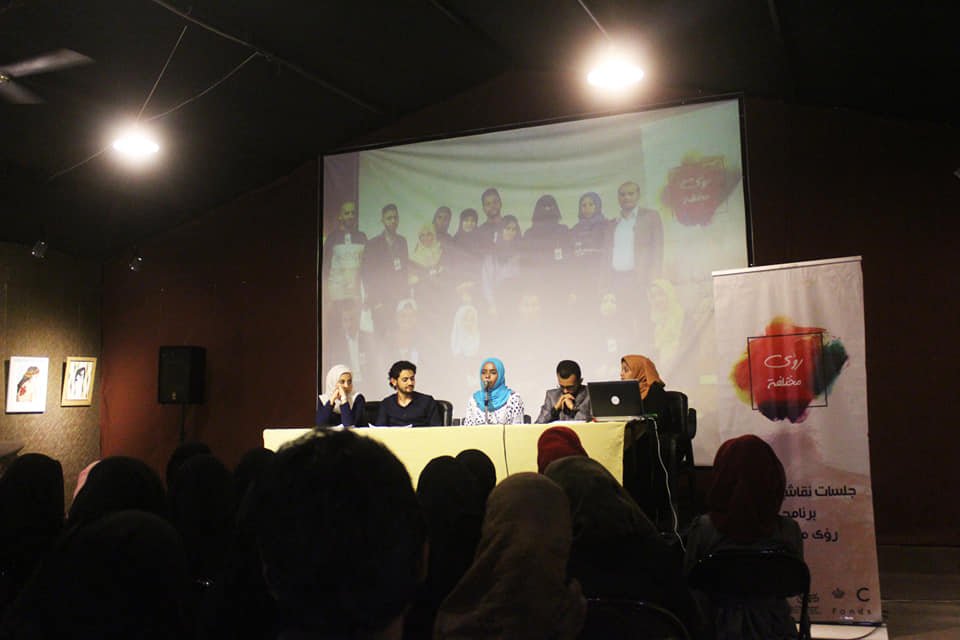
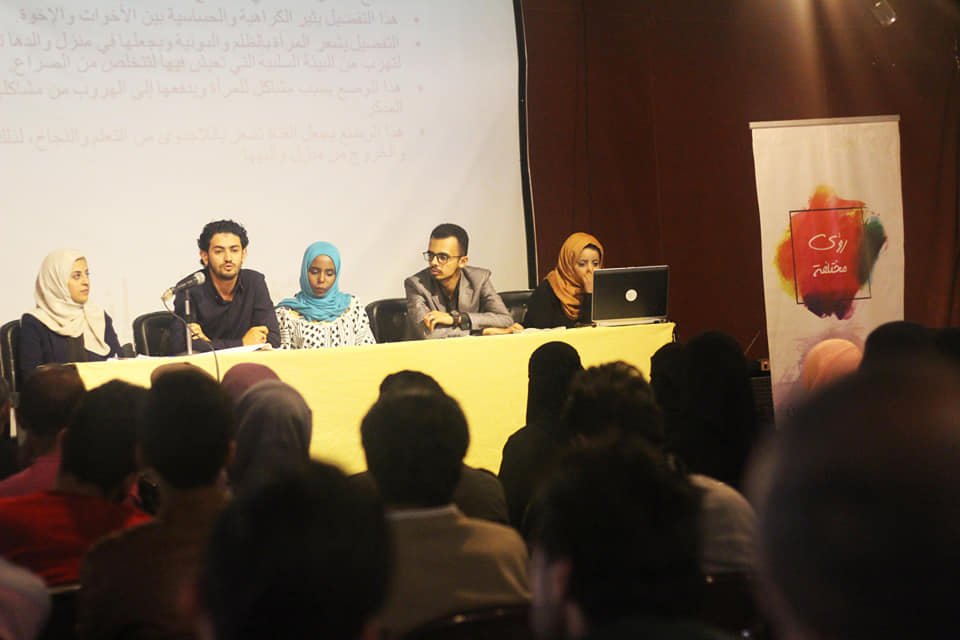
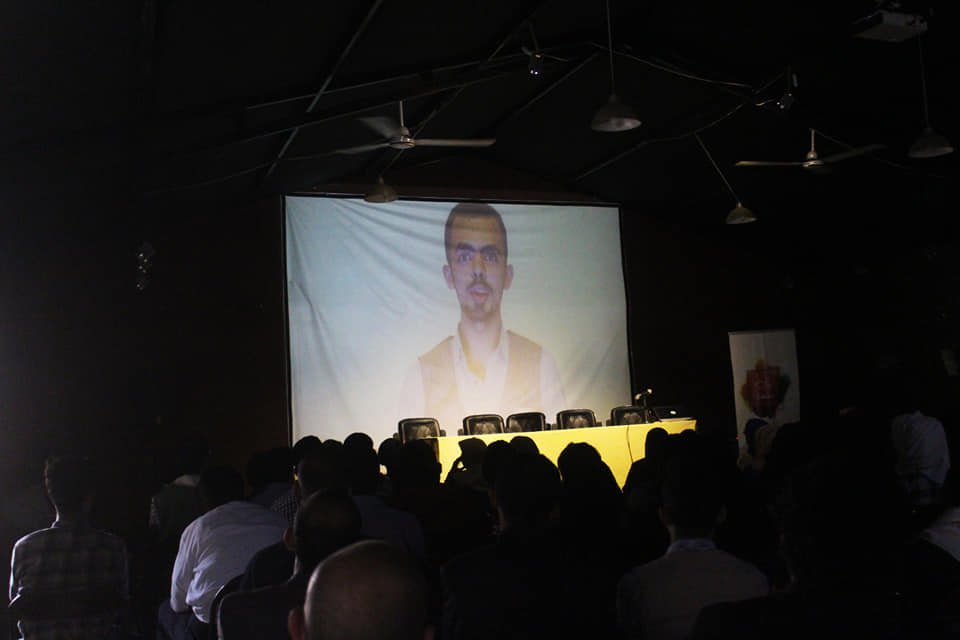
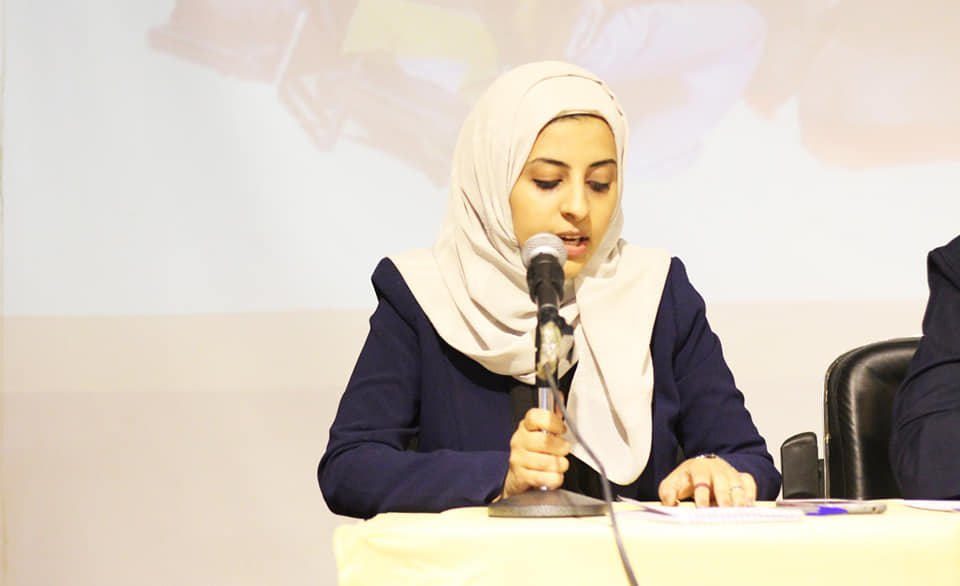
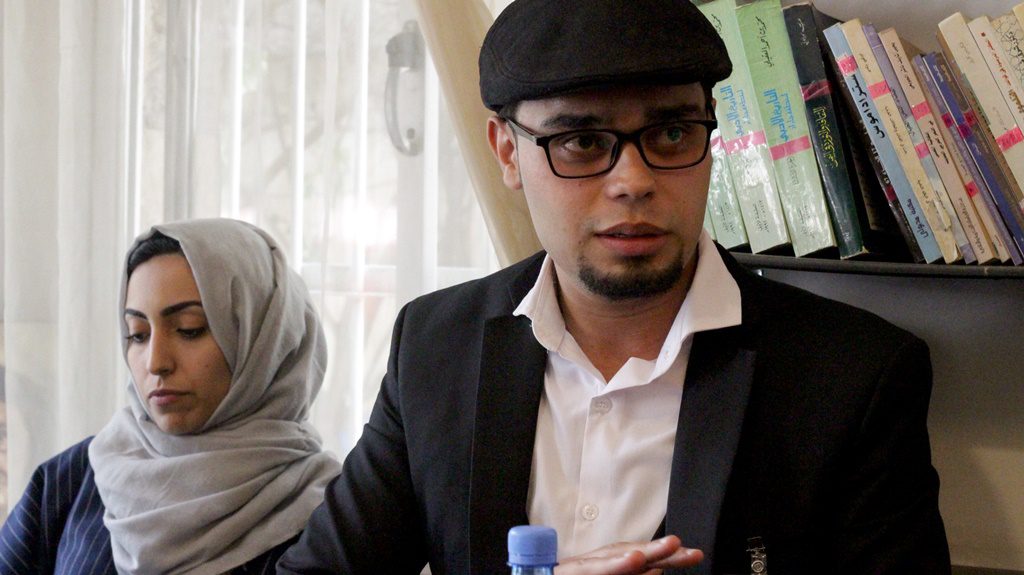
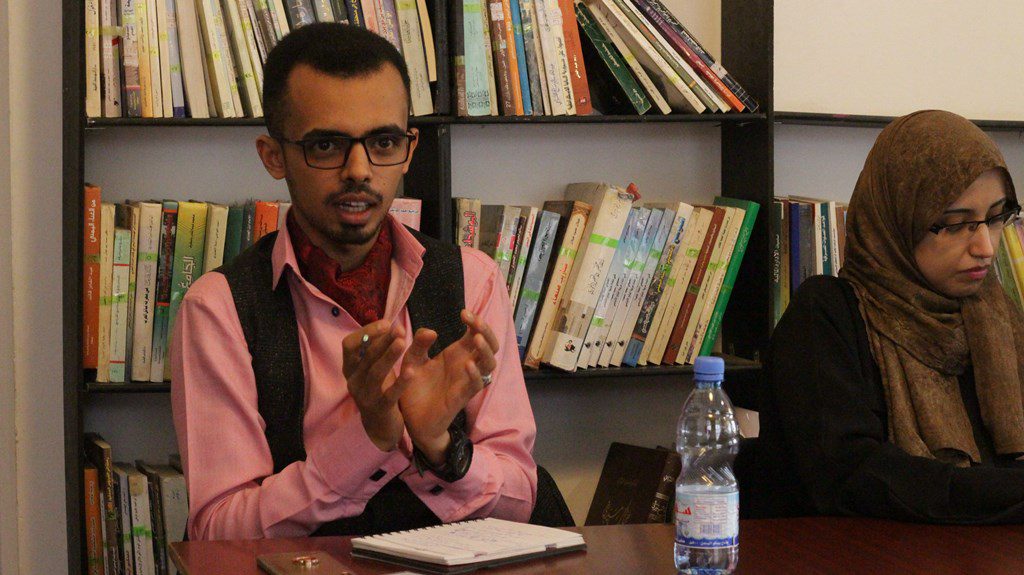
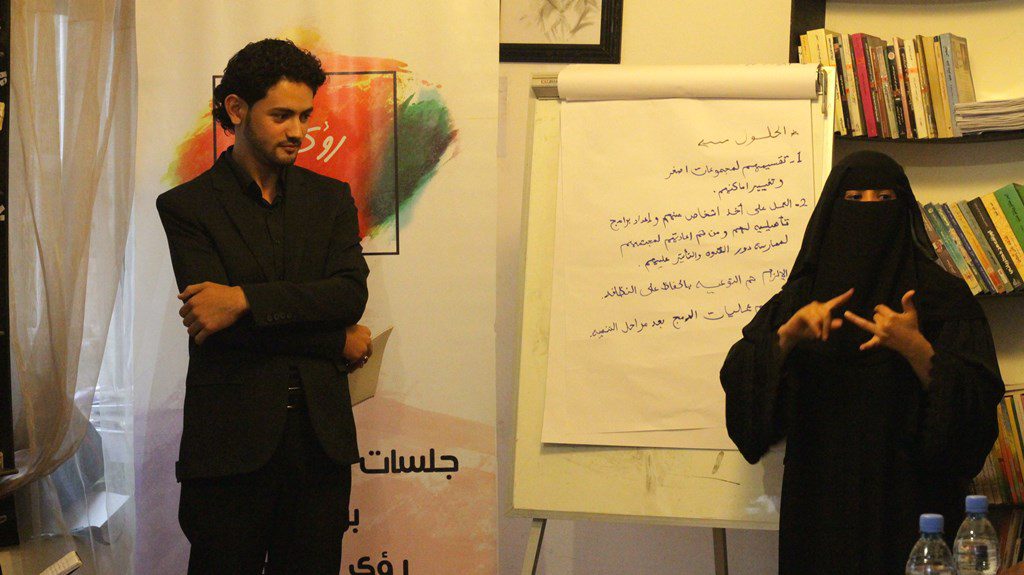
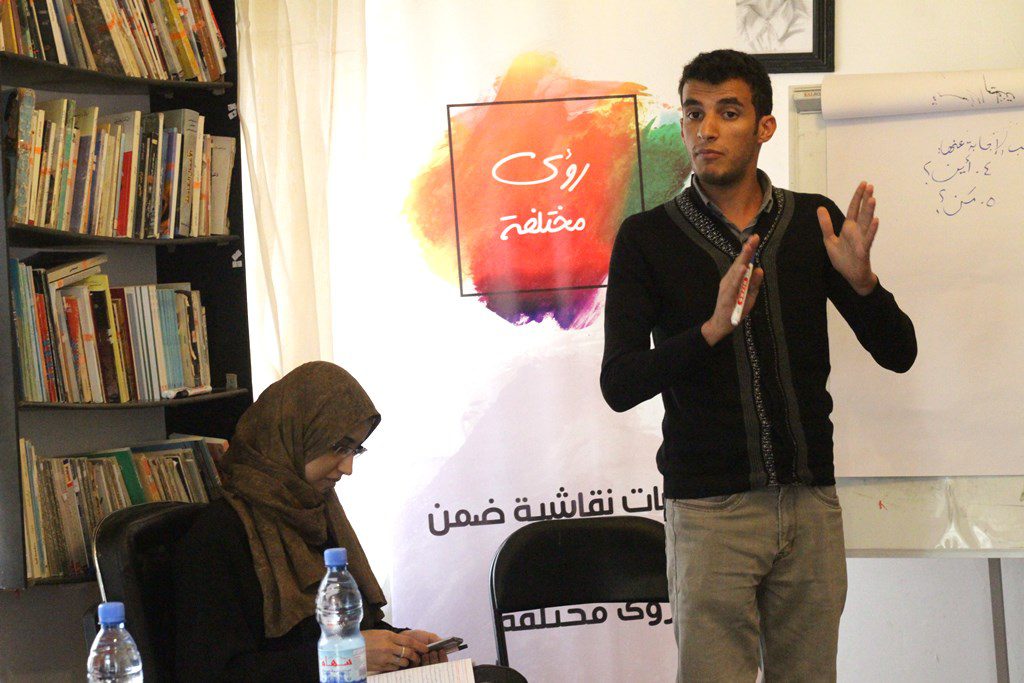
At the closing event, a video was presented of the first chapter of the play (case), which was entitled (Waiting for Gedo “Grandpa”). Khaled Al-Muraisi ‘Project Manager’  talked about a Alternative Views  project that aimed to involve young artists in contributing to raising awareness about prominent societal issues through art, to the impact of art and its reach to the largest number of people, and on the other hand to motivate society to interact with art, and to recognize its importance and its role in making change.
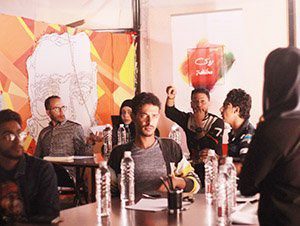
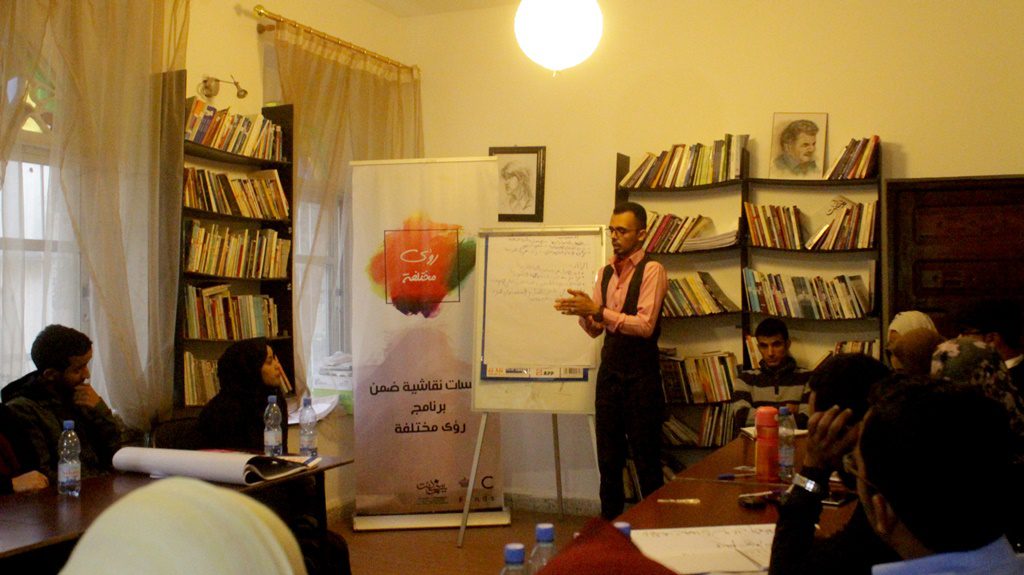
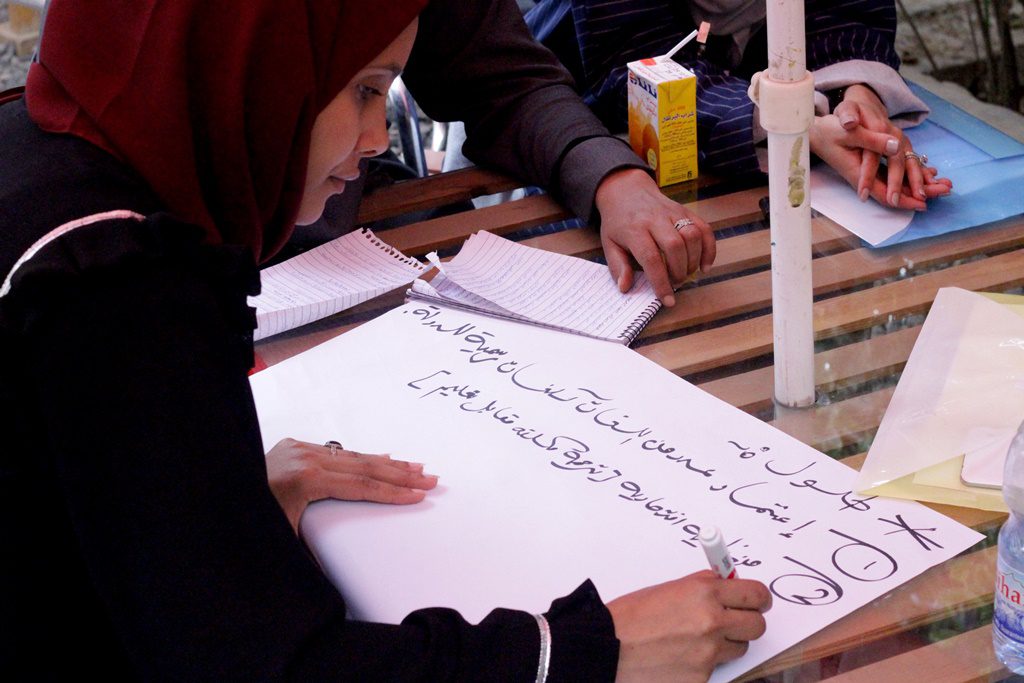
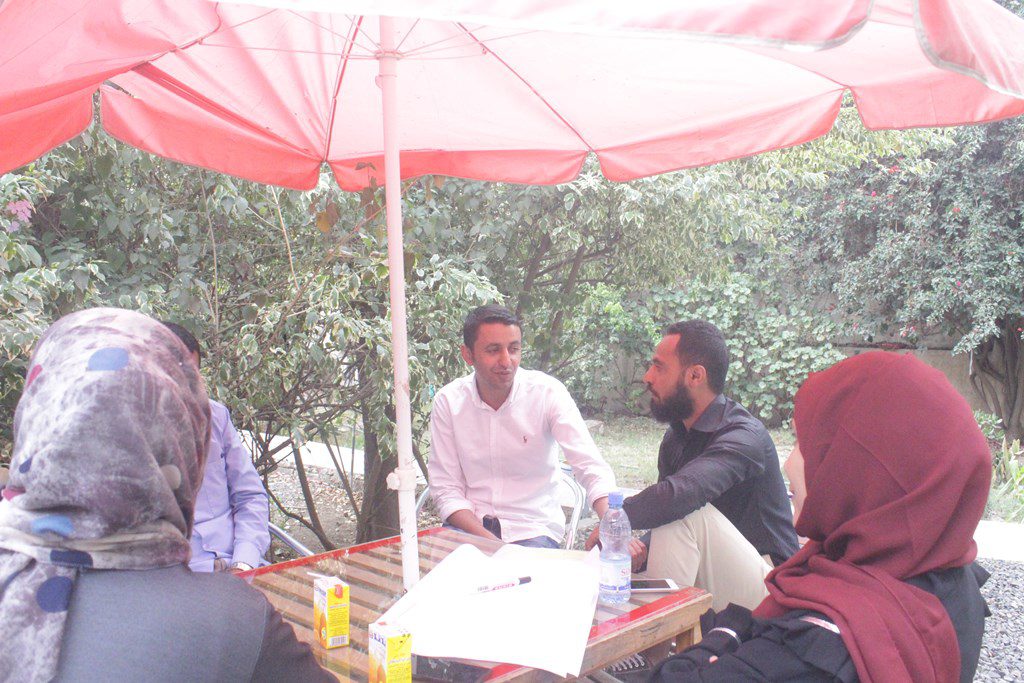
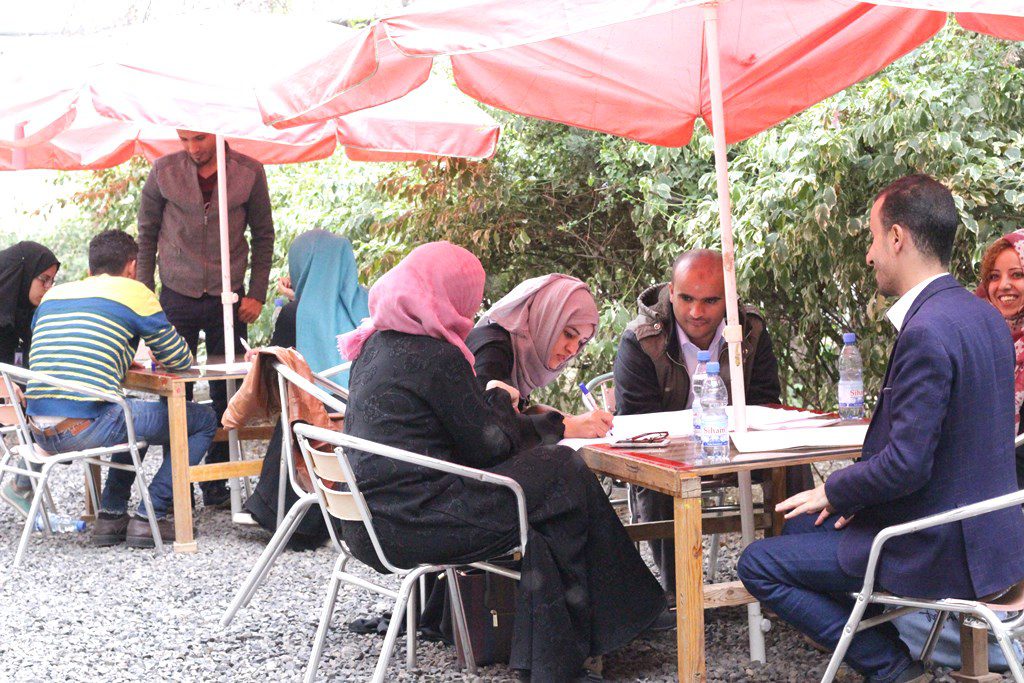
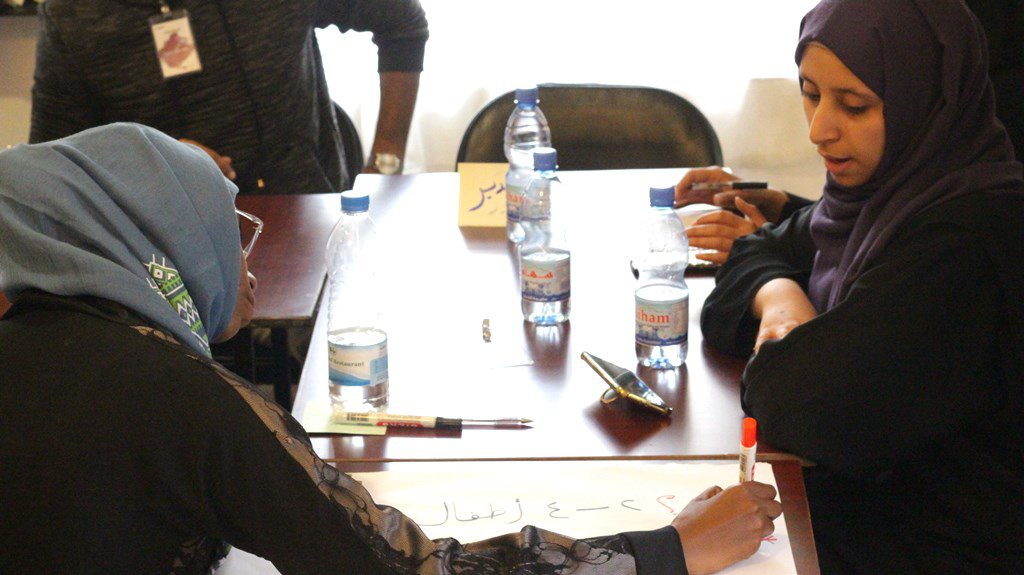
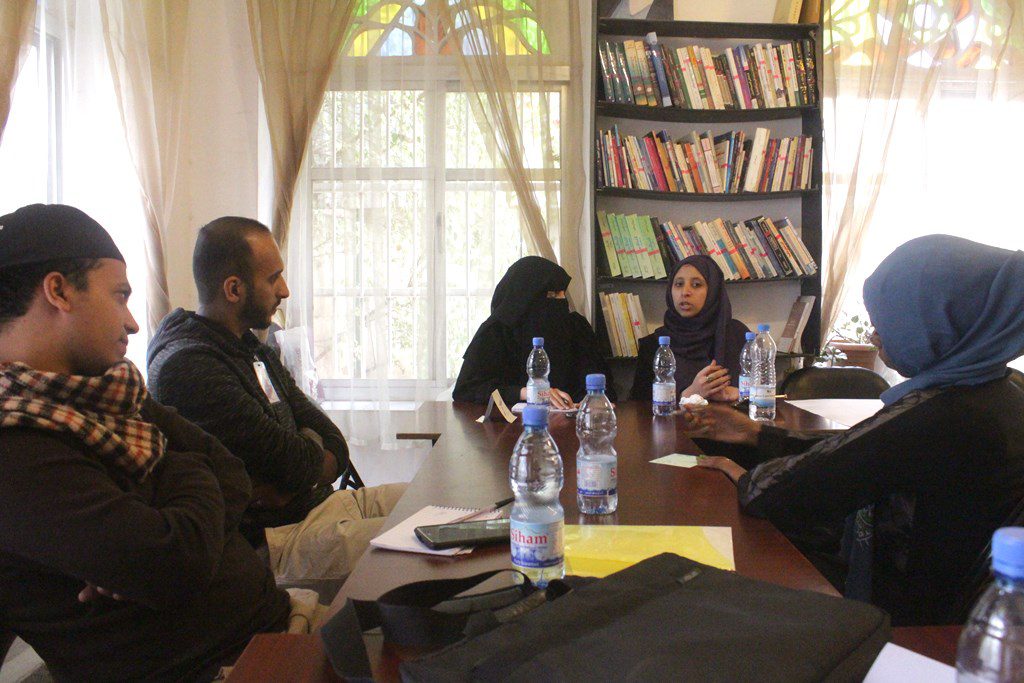
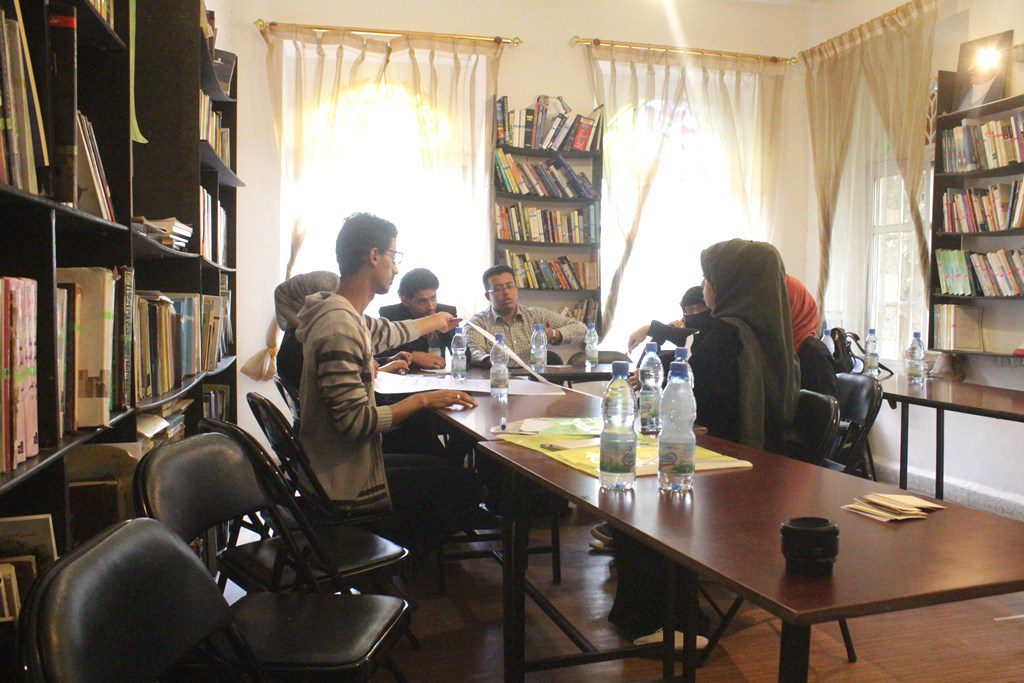
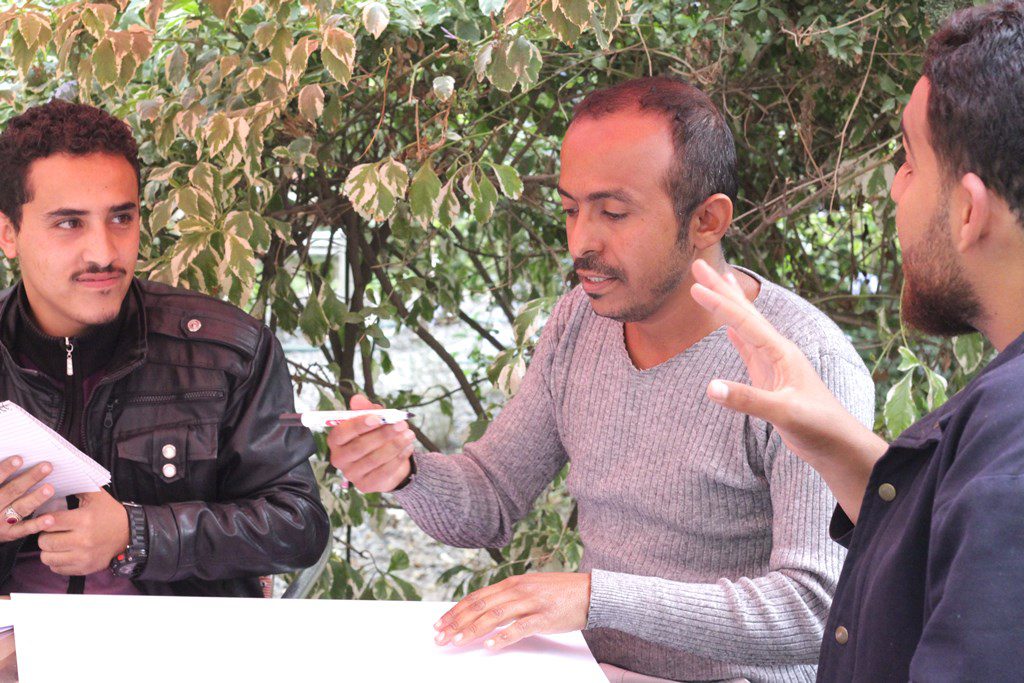
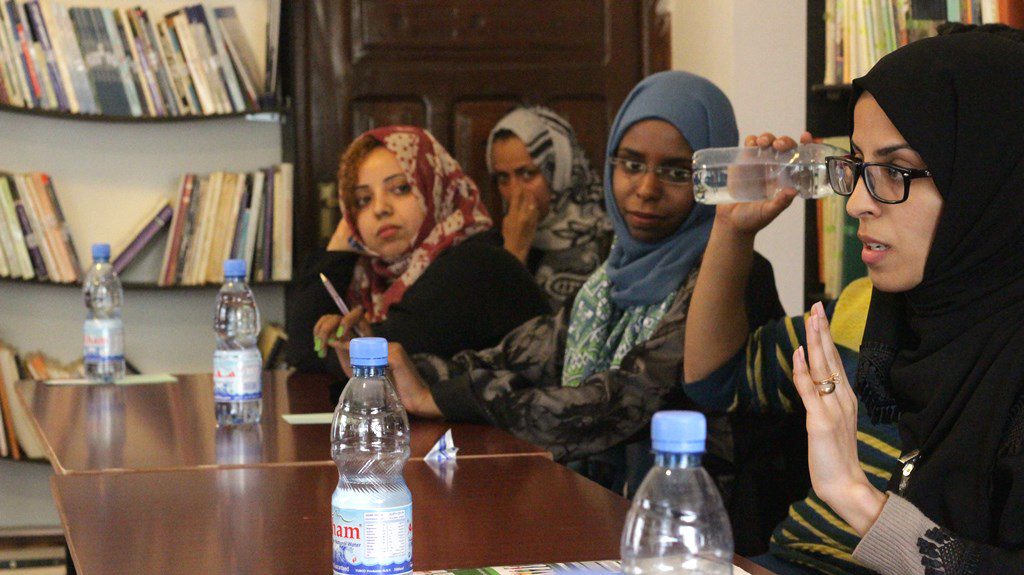
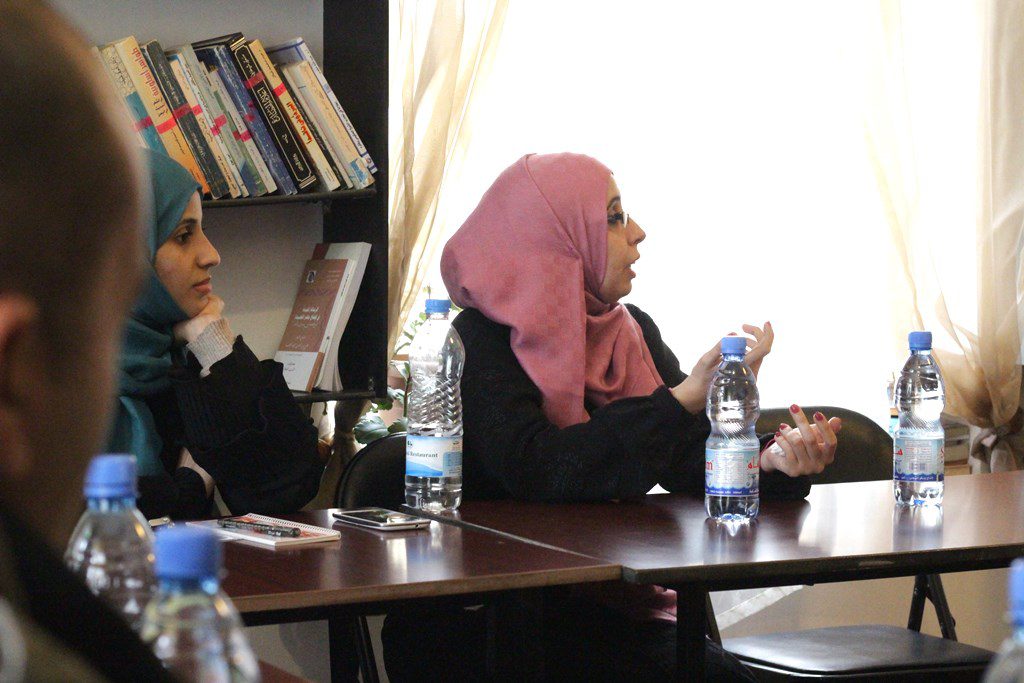
Al-Muraisi spoke about the stages of the project, which began by gathering 60 young men and women in focus sessions, distributed in 4 groups, each group discussed three community issues selected by the participants.
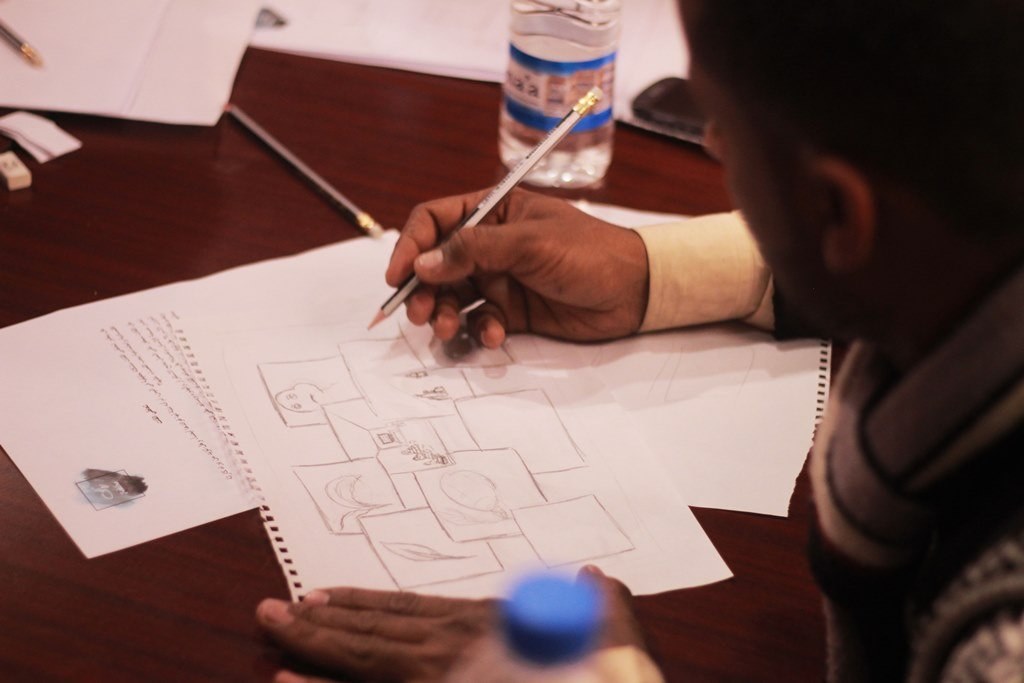
The second phase targeted artists and theatrical artists to introduce them to these issues and discuss how to turn them into works of art.
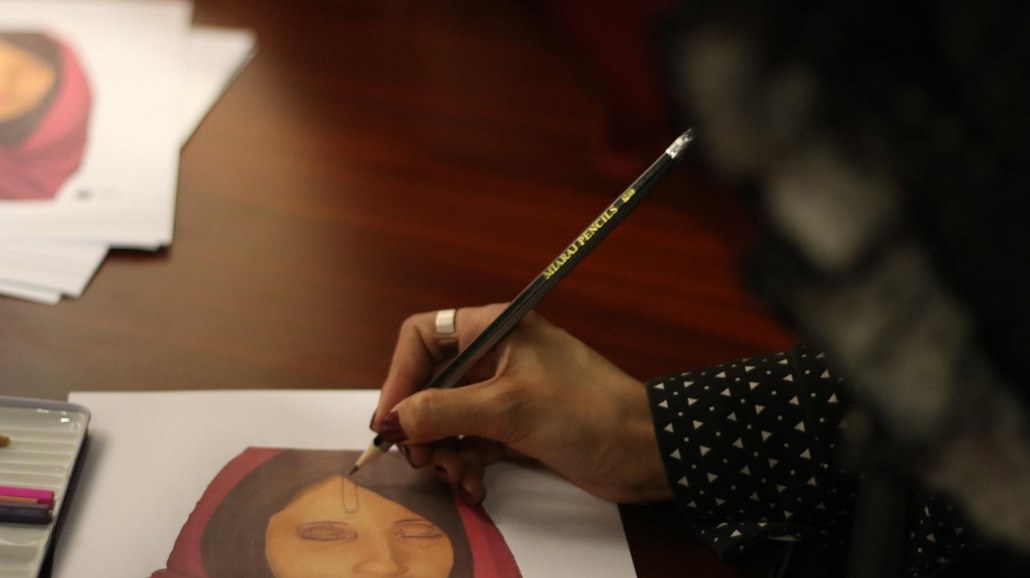
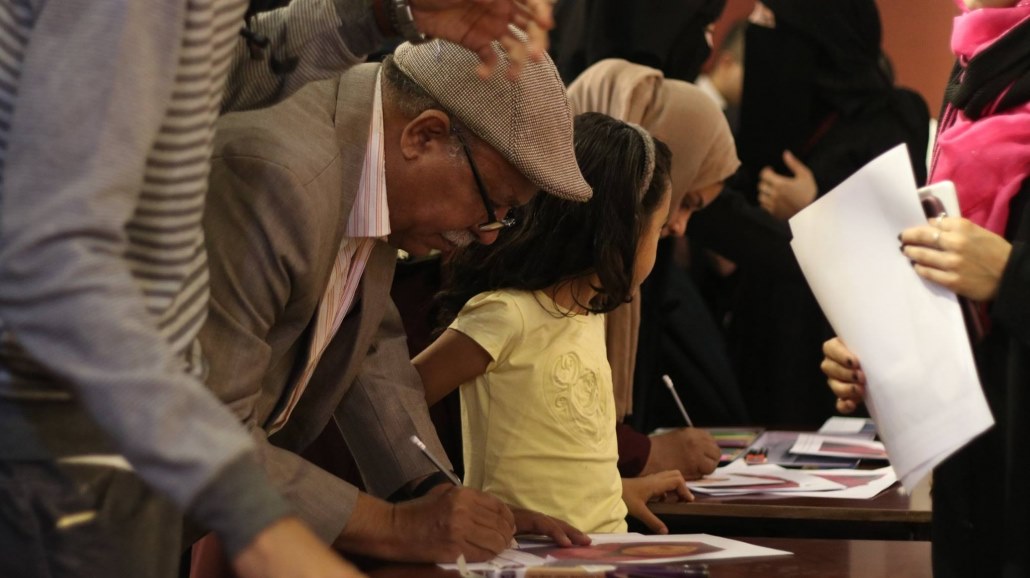
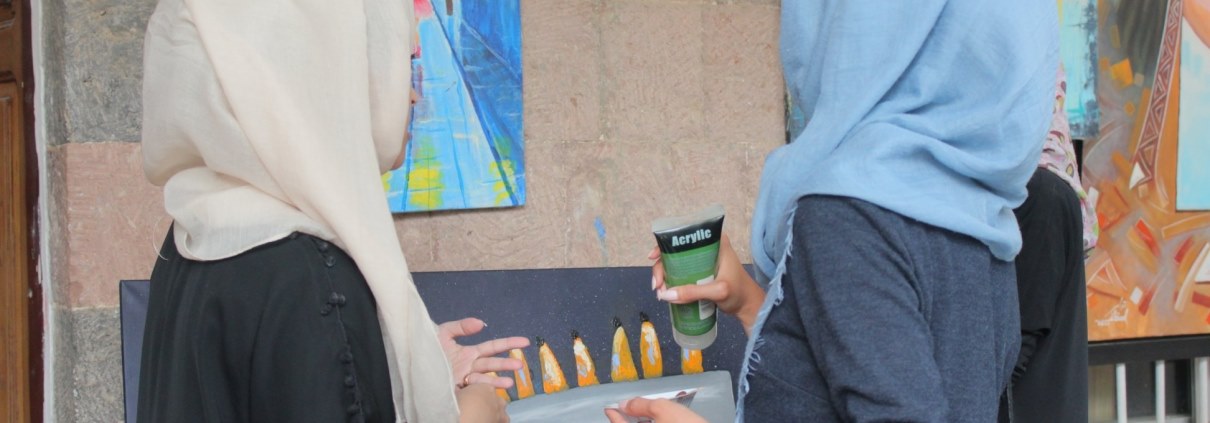
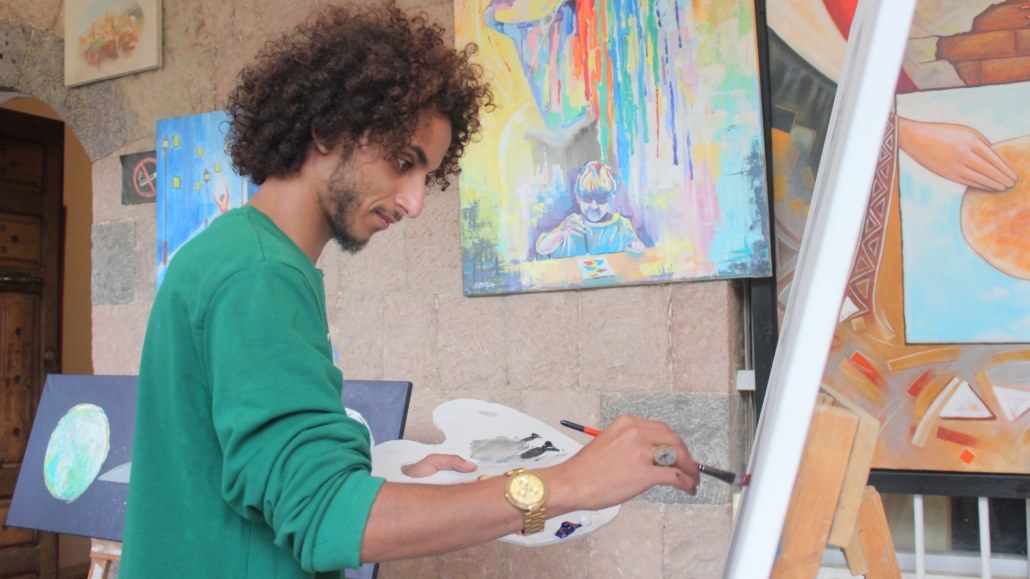
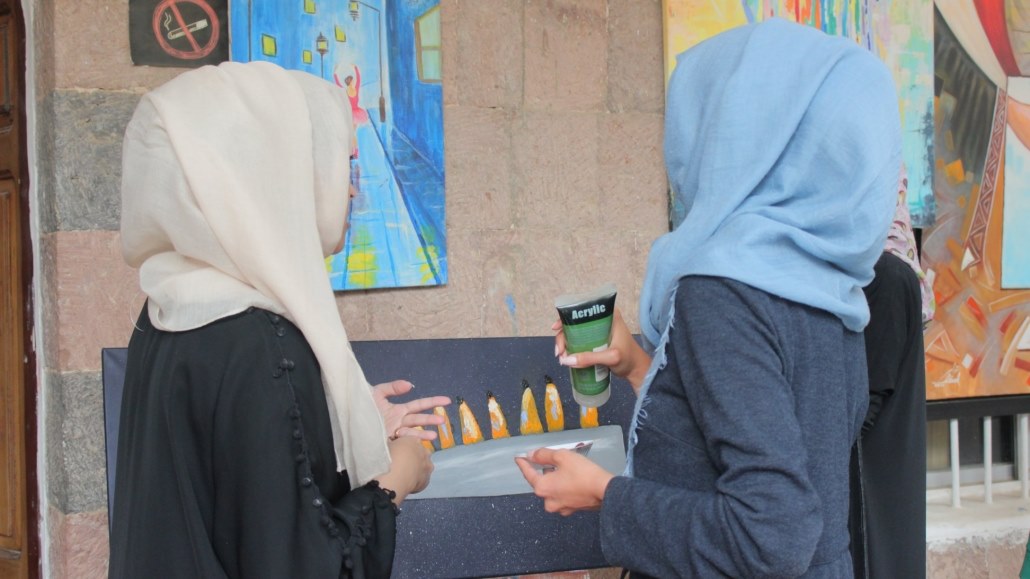
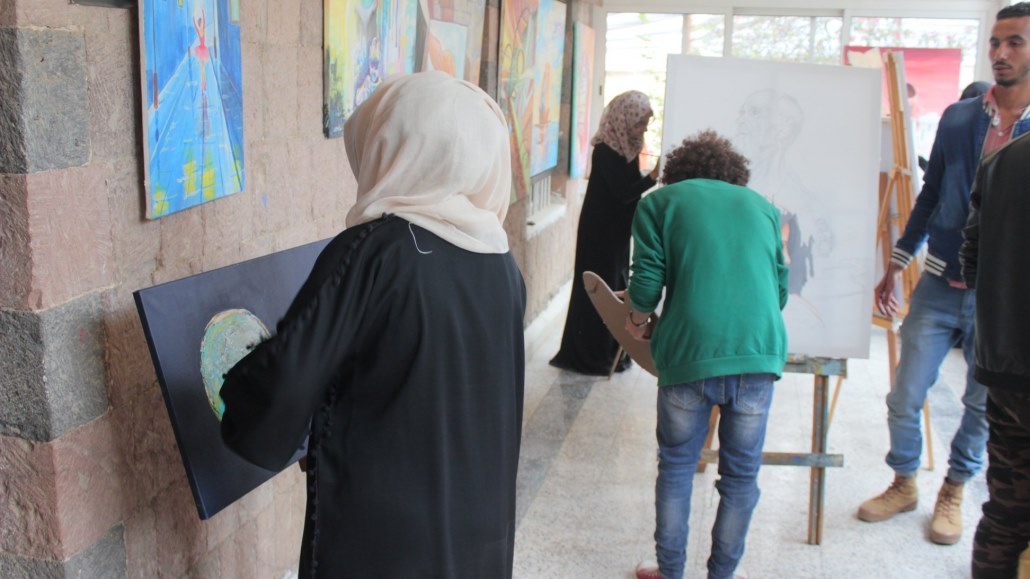
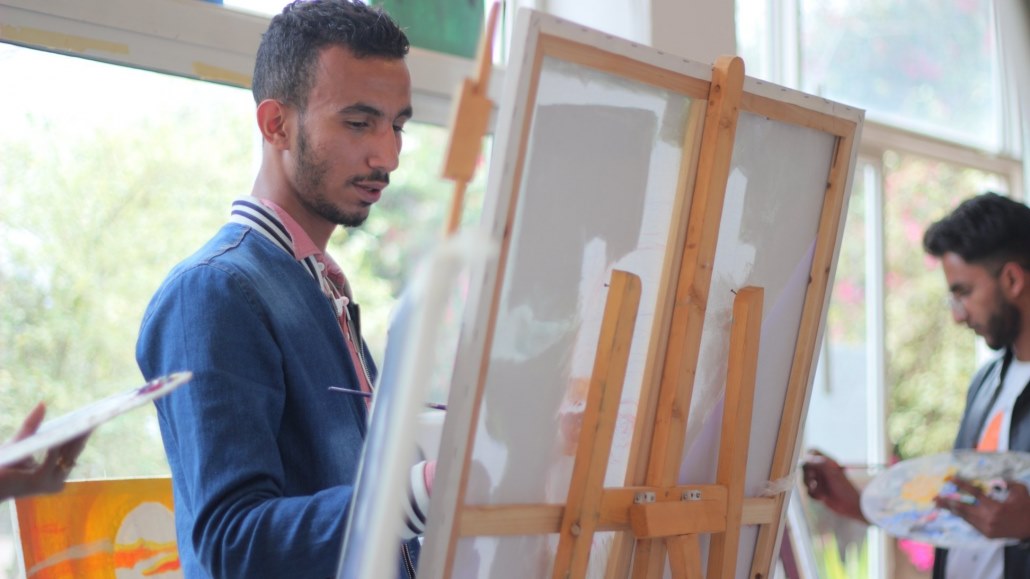
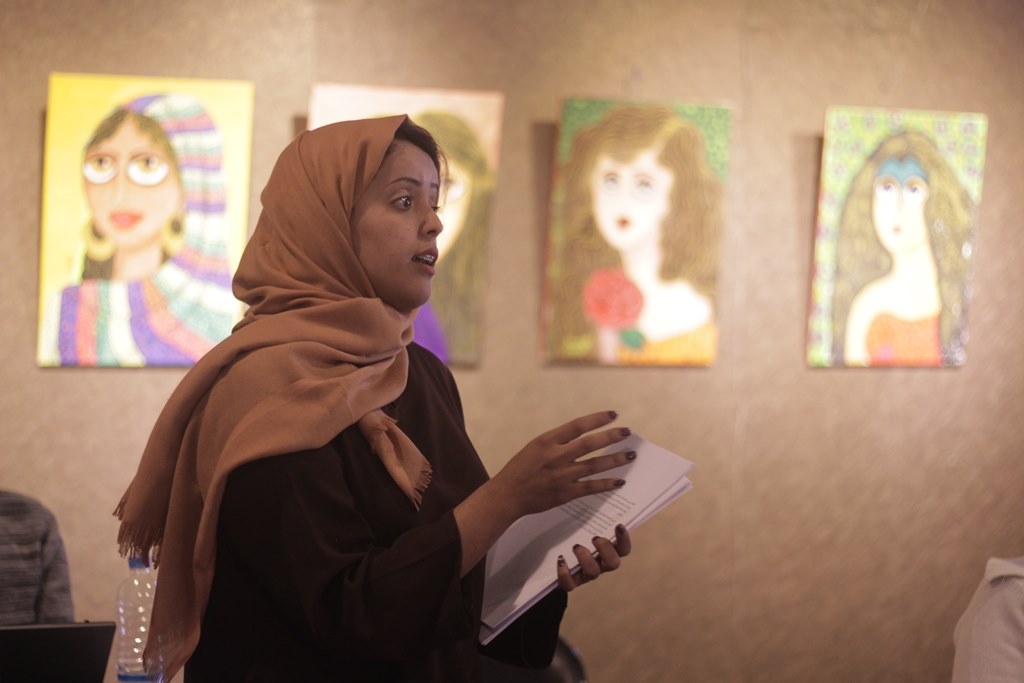
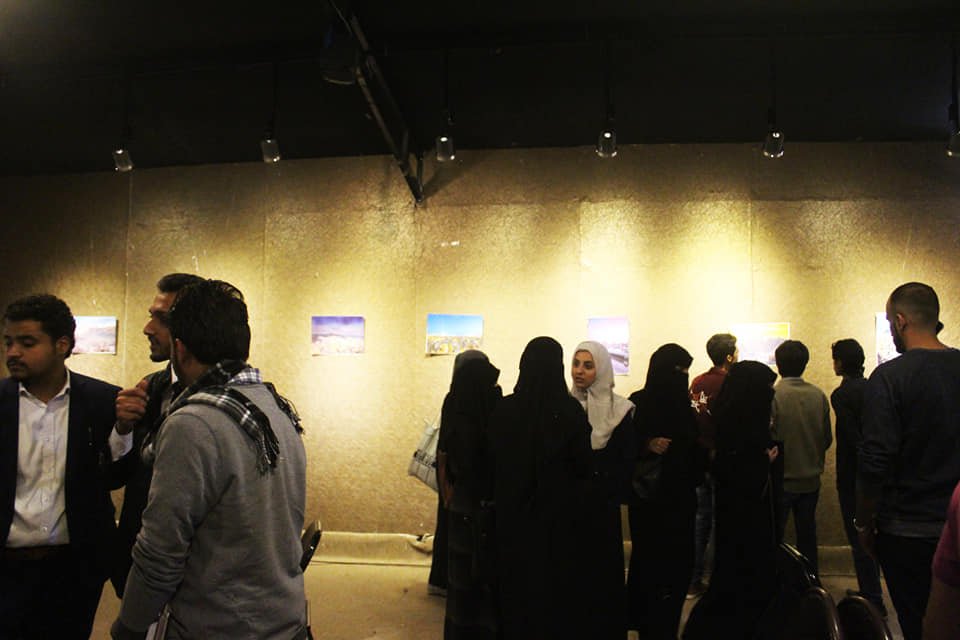
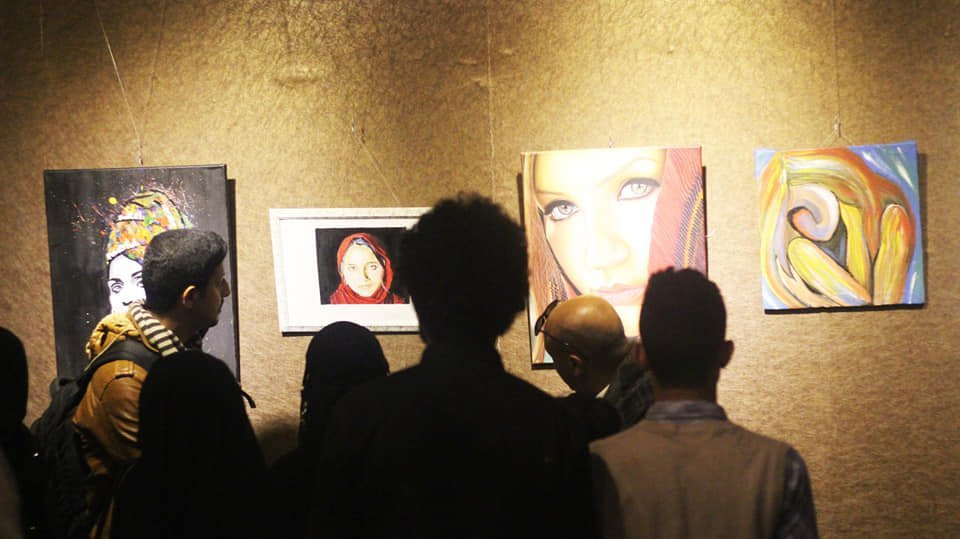
The artists then carried out their works under the auspices of the project.The interactive exhibition (Contrast) was opened on 18 April 2019, in which 12 paintings were presented, each dealing with a different issue, and the public was allowed to give their own touches to copies of these paintings, to express their opinion on the issues.  Khaled said that the paintings and some amendments of the public are displayed on the Facebook page of the Foundation, and is still open for amendment to the followers of the page.
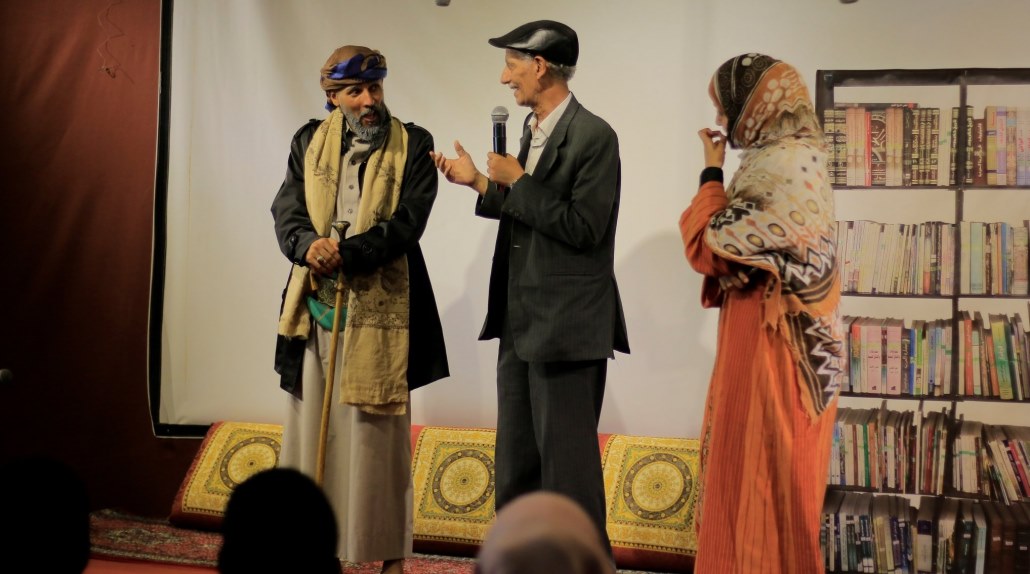
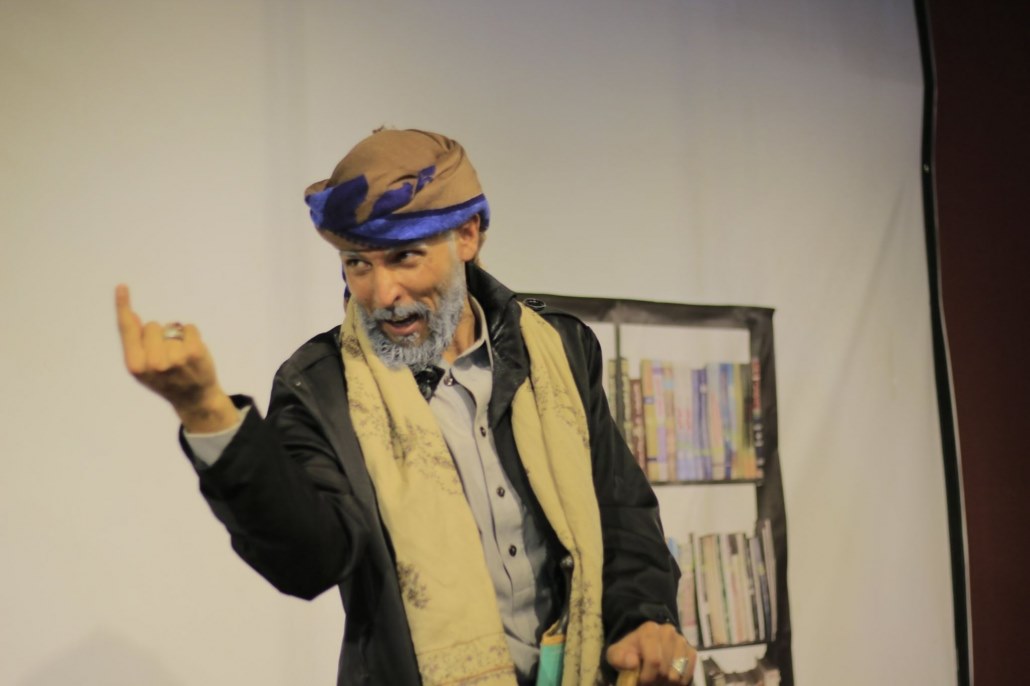
The second artistic output of the project was the interactive play (case) that was presented on Saturday, June 29, 2019, and discussed a set of these issues, and consisted of two chapters: (waiting for Gedo “Grandpa”) and (A cup of Tea). Khalid spoke about the audience’s distinctive interaction, participation in the discussion and role play to present their vision on these issues.

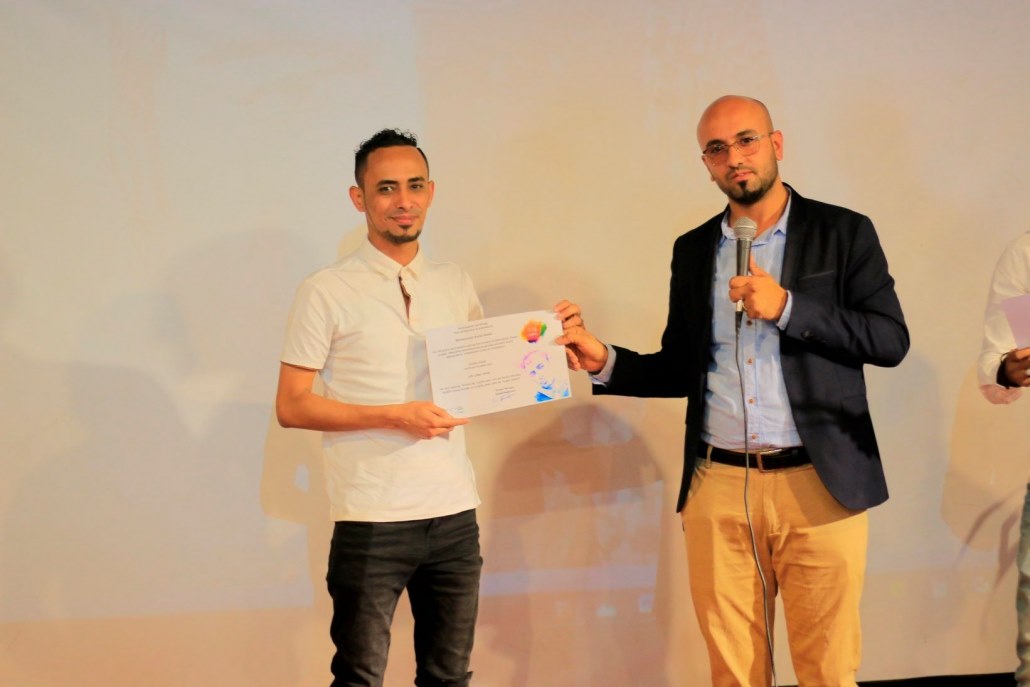
At the end of the event, Khalid Al-Muraisi thanked the young men and women participating in the project.


Interactive social play entitled “ Situation ” Report

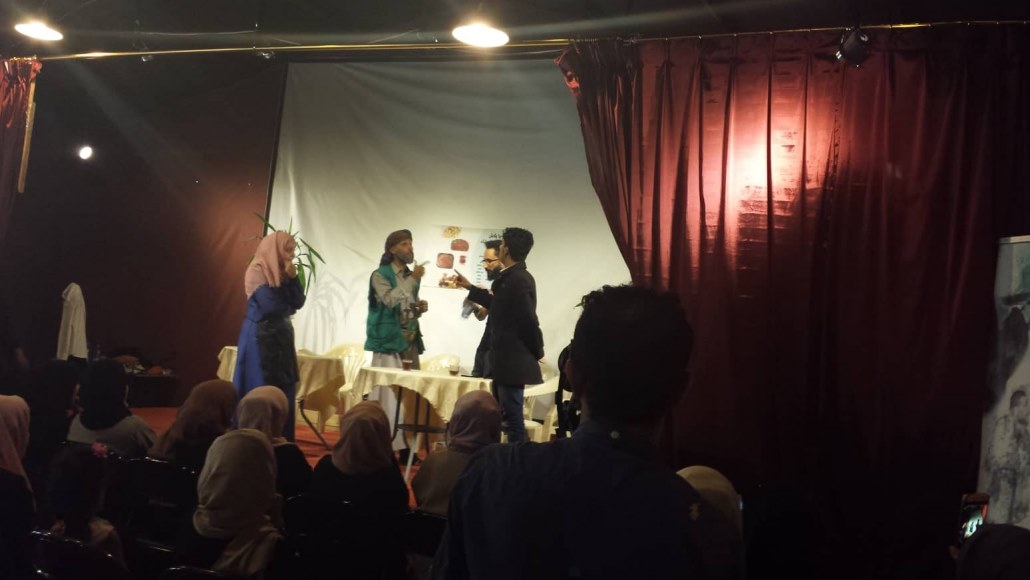
An interactive play entitled “A Situation” was held on Saturday, June 29, 2019 at the Basement Cultural Foundation, which discussed various of socially controversial issues within the Foundation’s “Alternative Views” project.

Khalid Al-Muraisi, Project Manager at Basement Foundation, presented an overview of the Alternative Views project, in which 60 young men and women discussed – at an earlier stage – different issues from different perspectives. These visions were then transformed into works of artworks, including a plastic art exhibition and an interactive play, to engage young artists to reflect the selected issues community issues into artworks.

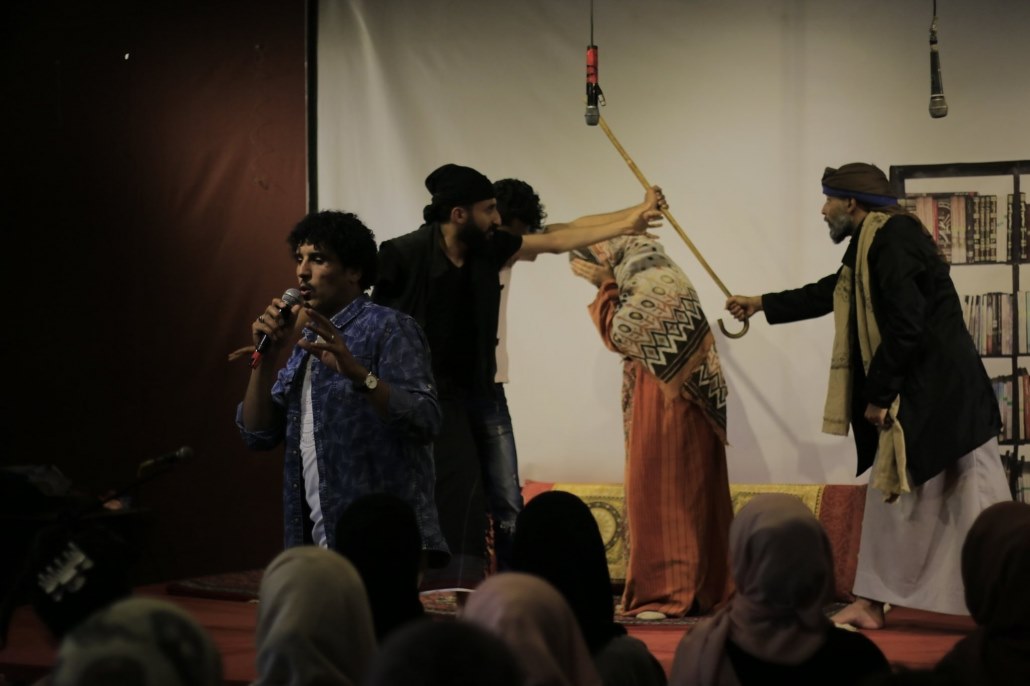
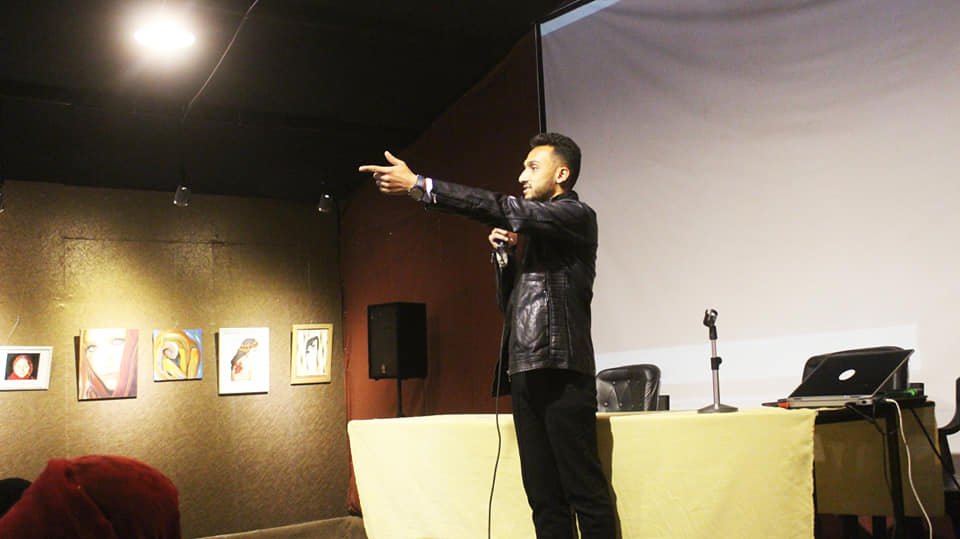
Subsequently, the artist Nizar Al-Sanafani gave an introduction about the concept of ​​the interactive theatres, which is based on the involvement of the public in the discussion of the issue covered by the play, to propose solutions, to participate in making change in the scenarios, features of this type of theater performances reduce the gaps between the audience and theater.

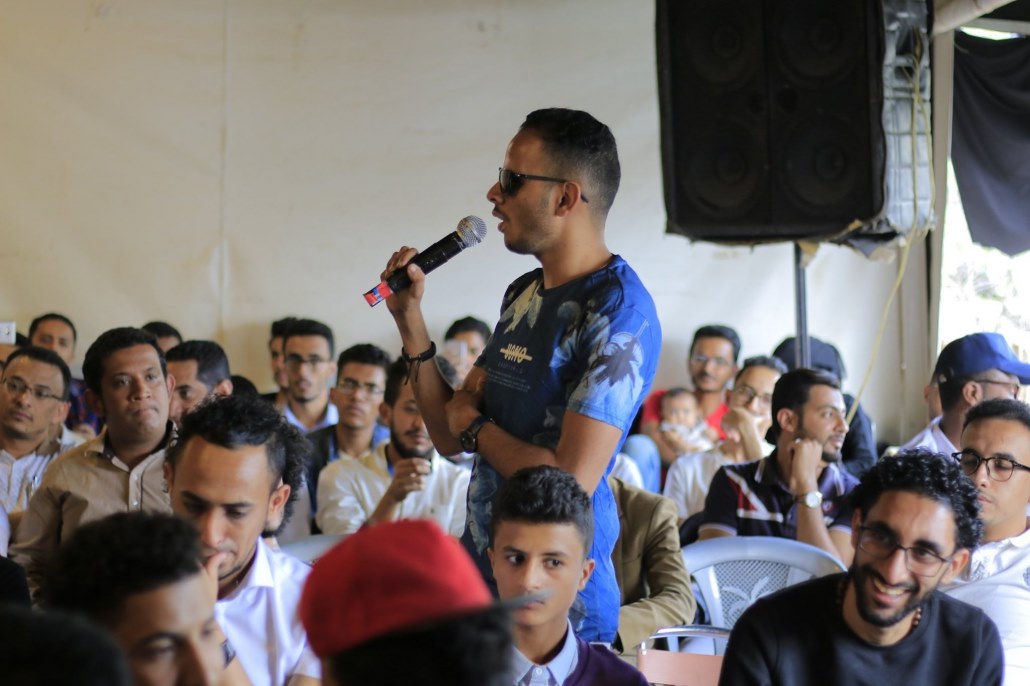
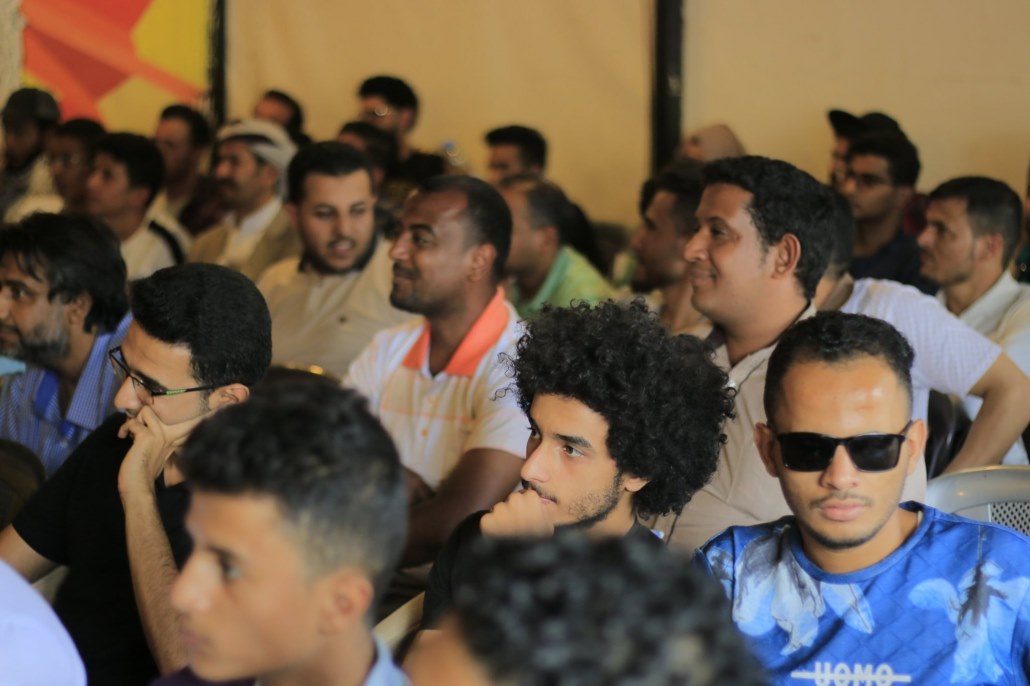
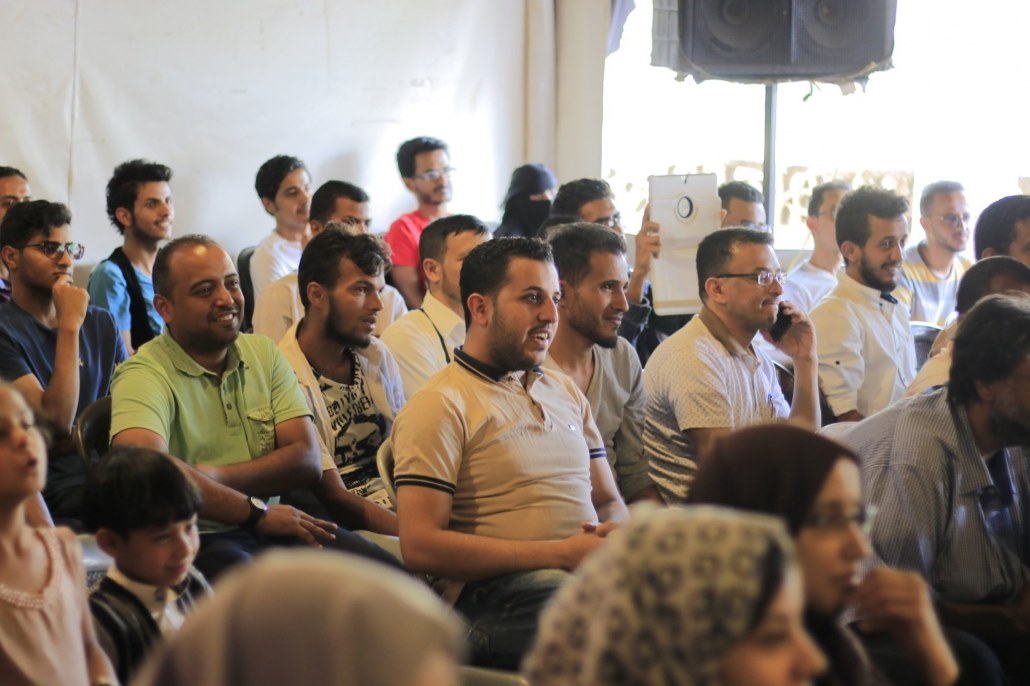
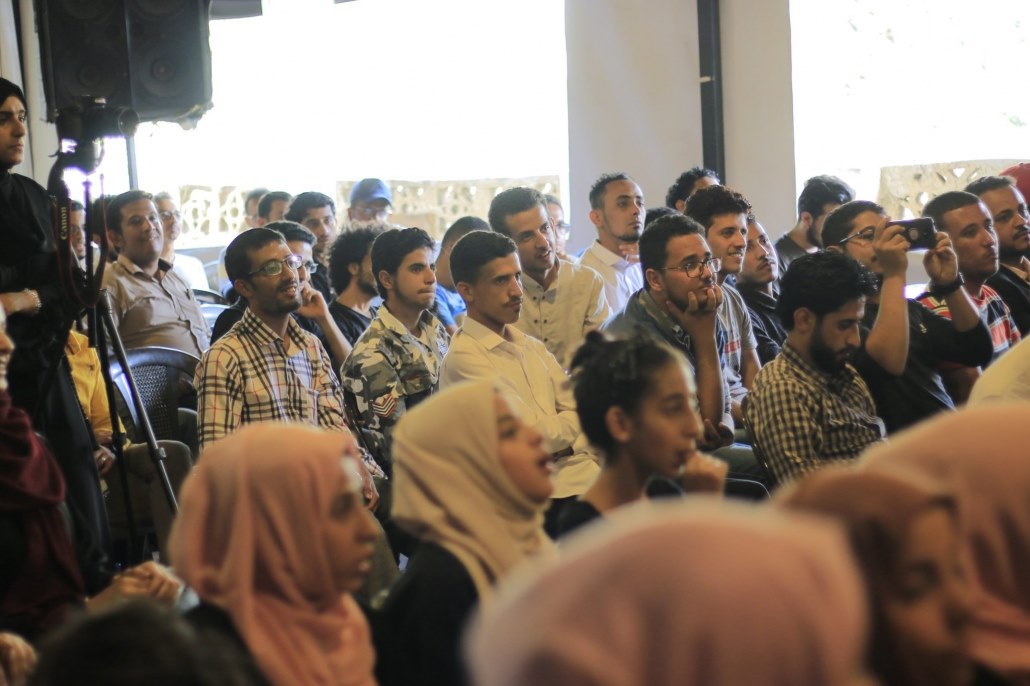
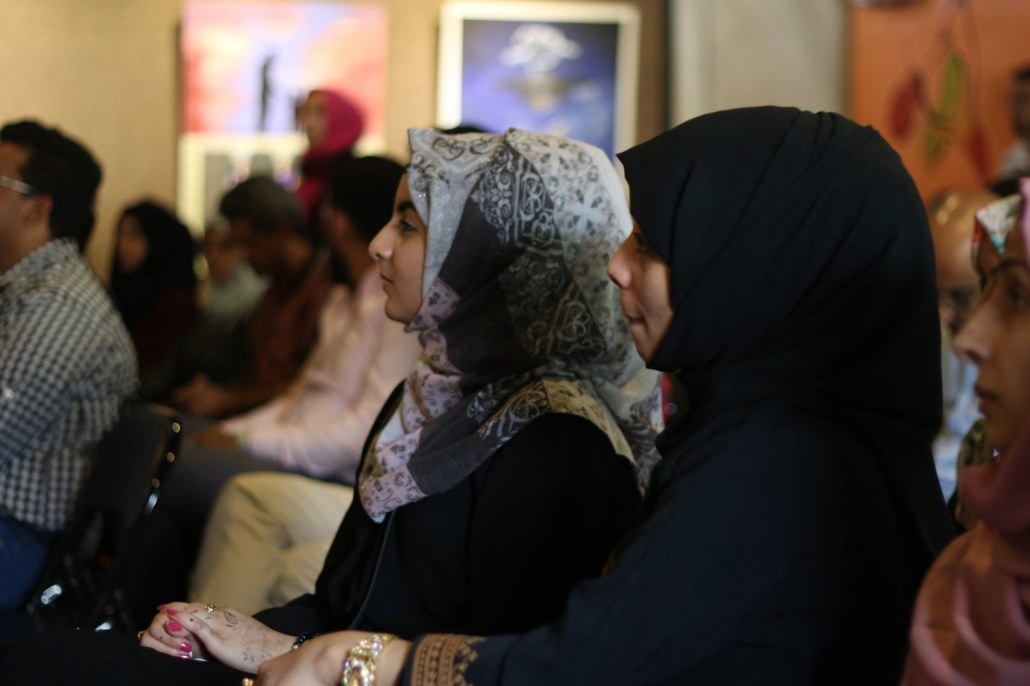
The play received notable interaction from the attendees who participated with their opinion on the raised issues, and some of the audience participated in the representation to offer different visions of these issues. 

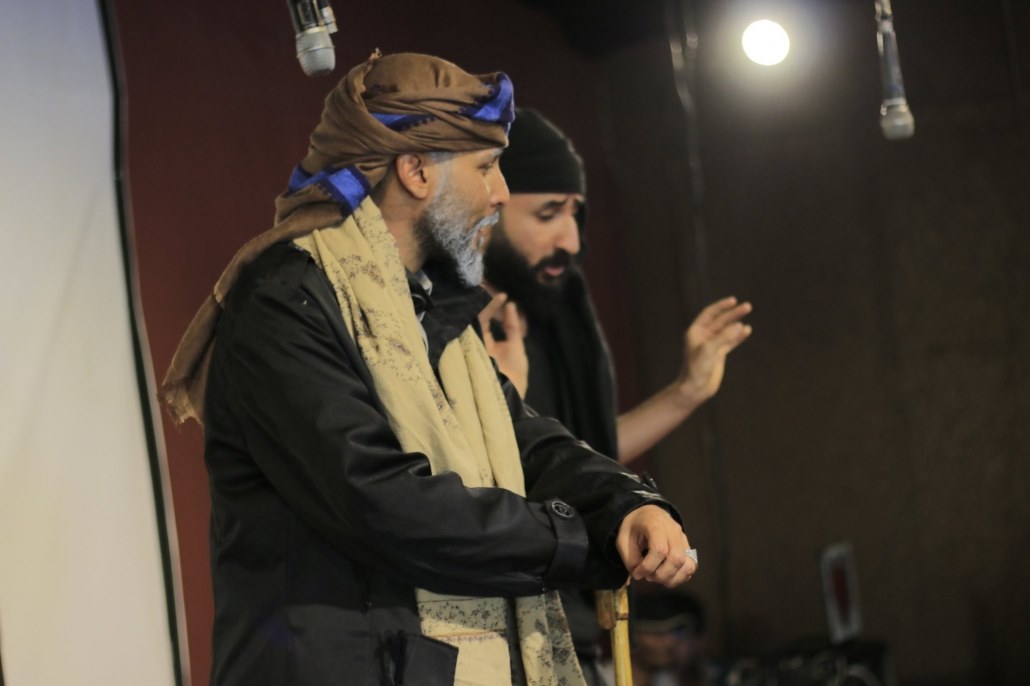
The play was directed by Waddah al-Ra’i, who participated in the tournament alongside Saleh al-Asmar, Suad al-Yousifi and Abdulwahab al-Jaifi. The script was written: Waddah al-Ra’i, and Abdo Salem. The interactive theater was moderated by artist Nizar Al-Sanfani.

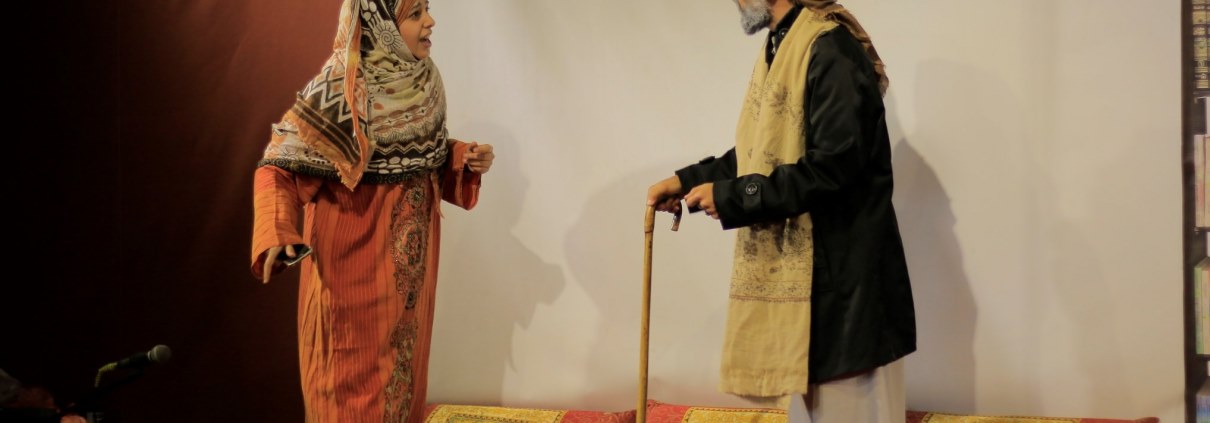
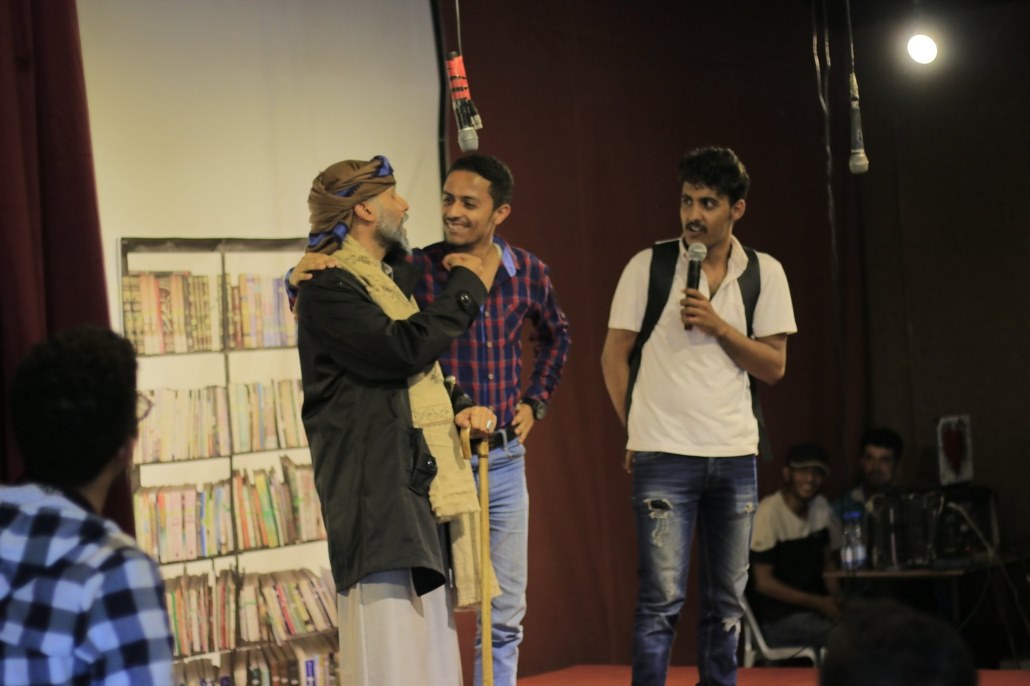
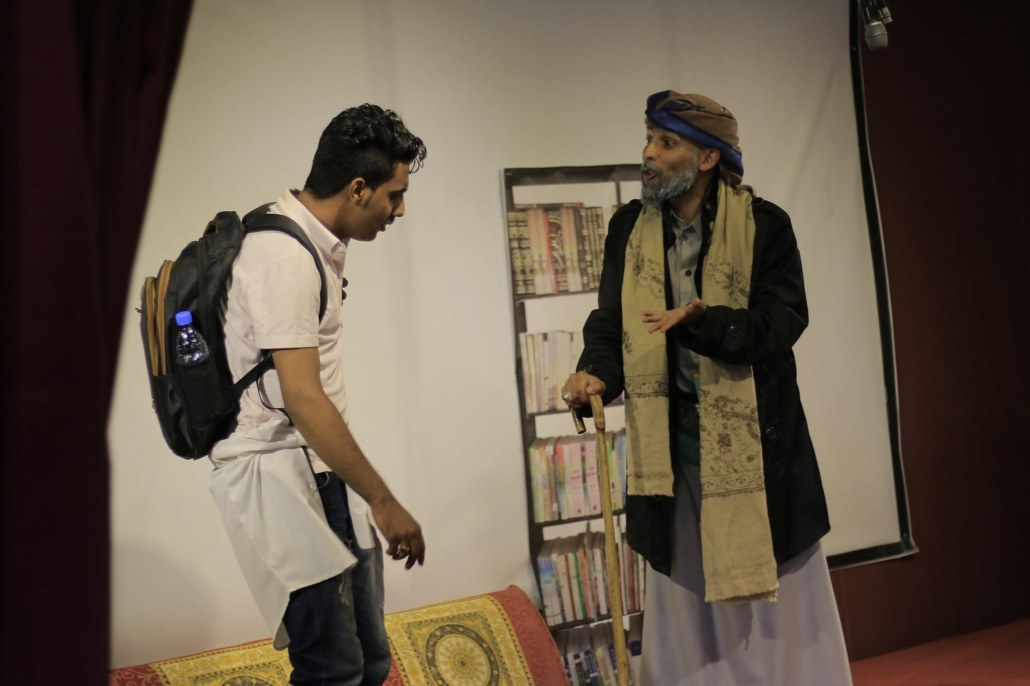
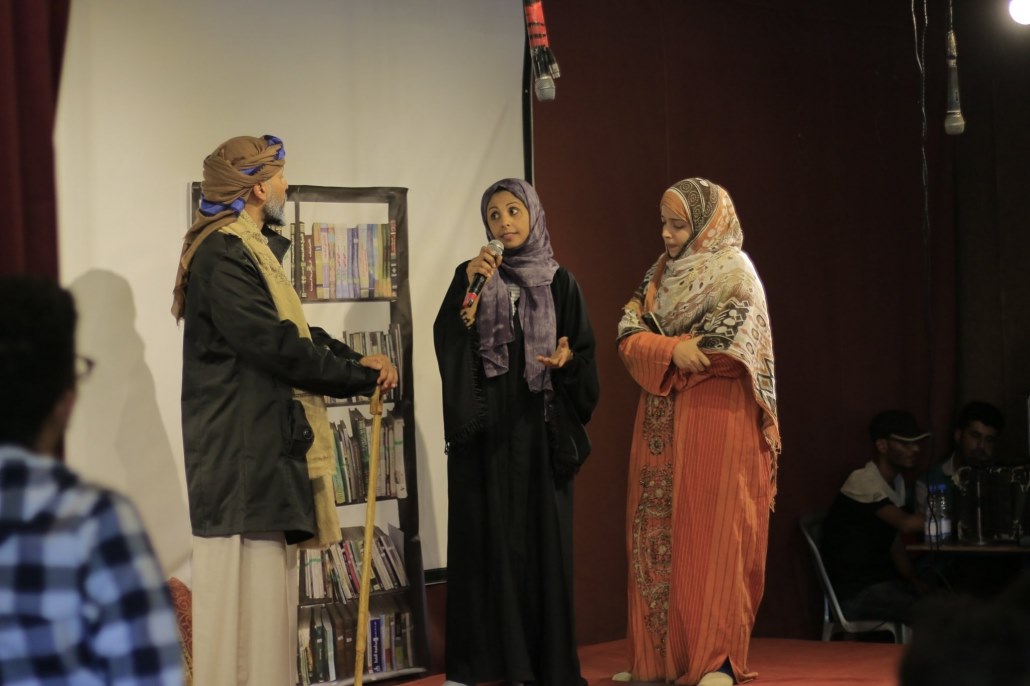
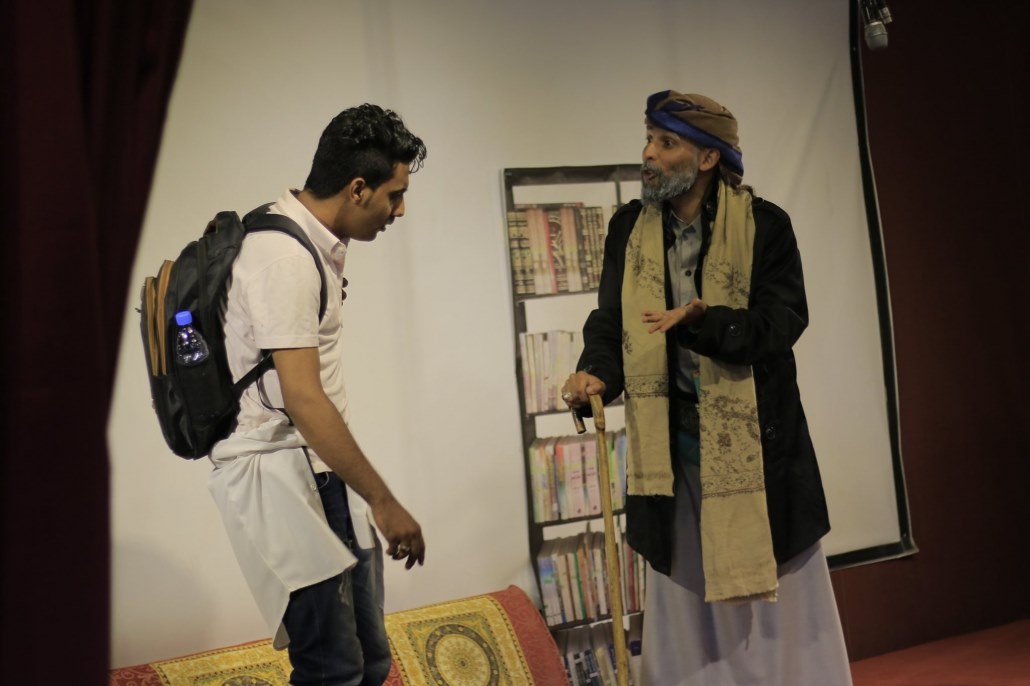
The first part of the play was a dialogue between an old man and his grandchildren, dealing with the gap between the old and new generations, its economic and social aspects, the effects of technological advancement and the Internet, university study, qat consumption, youth migration, and other topics. The audience then interacted by presenting opinions first, then participating by choosing roles in the play to propose alternative solutions.

One of the audience, Aklan Al-Sabri talked about the issue of the generation gap, and stated that technological progress has widened the difference between the two generations, and stressed that there are negative and positive aspects in both generations. This is what was agreed by Majd Al-Dahmashi, who added that each generation has something to distinguish without favoring one over the other. While Mohammed Al-Thawr said that the conditions and technological advances experienced by the new generation were what made it different, why should women, for example, make a great effort in domestic work if they were able to use advanced production to perform easily?

Narjis Abbad commented on the same issue, stating that we should not give up our nostalgia, and it is useful to take positive behaviors and lifestyles from a generation to another.

Jawad al-Awadi participated in the representation, and chose the role of the father who stands in a middle position between grandfather and grandchildren, and stressed that there are constants that do not change over time, such as beliefs and ethics, while there are variables such as appearance and lifestyle. Every generation tries to change something in the previous generation. Even the ancestral generation rebelled against the previous generation.

Participating from the audience was Ferial Magdy, taking the role of a mother, choosing the issue of using social media, and its impact on the new generation, which became preoccupied with them all the time neglecting other important aspects of his life. Ferial stressed that these means have become a reality that we cannot change or ignore, but the solution lies in rationalizing its use, by organizing time, and giving everything its right.

Mr. Abdulwasea Al-Adoumi took part in the role of father, and spoke about the need to accept technological and scientific advances, but stressed that the world has changed because of respect for the system and time, and as we have to adapt to technical progress and the spread of social media, we also have to respect time and exploit it to the benefit

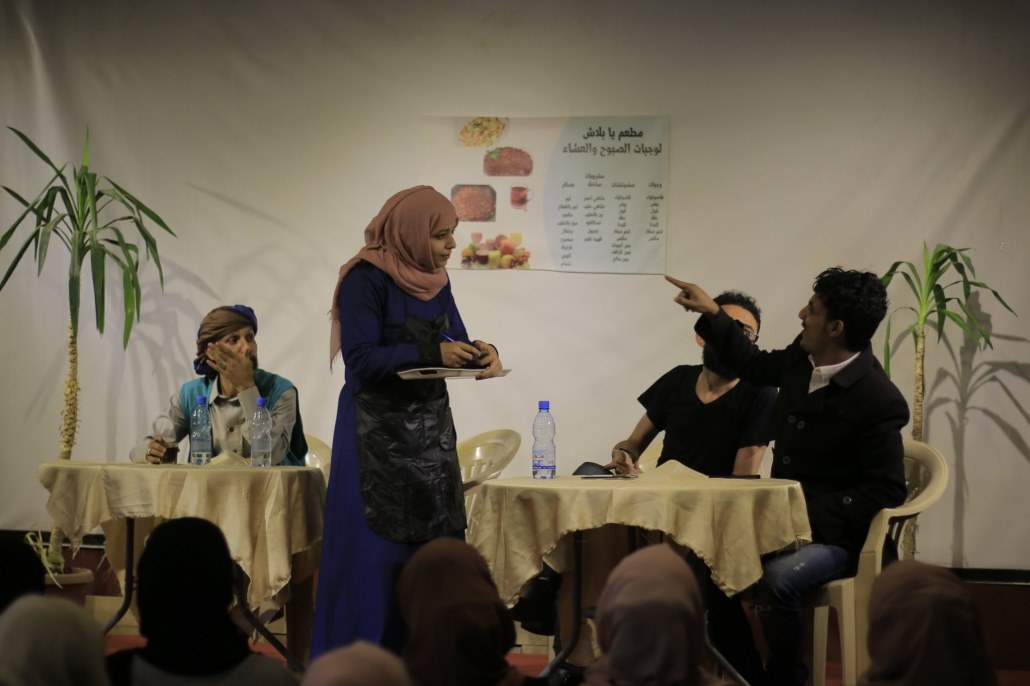
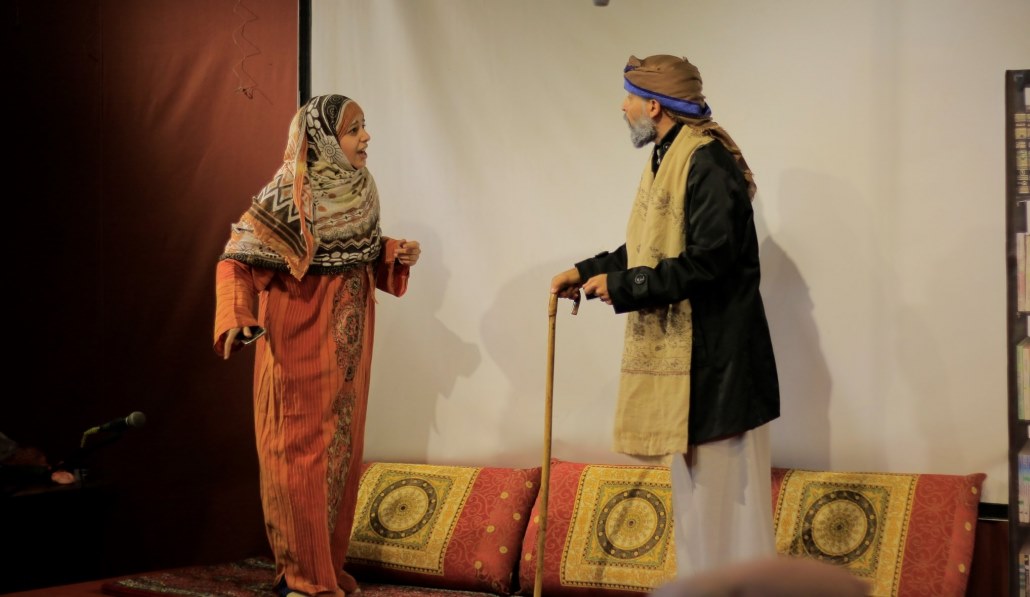
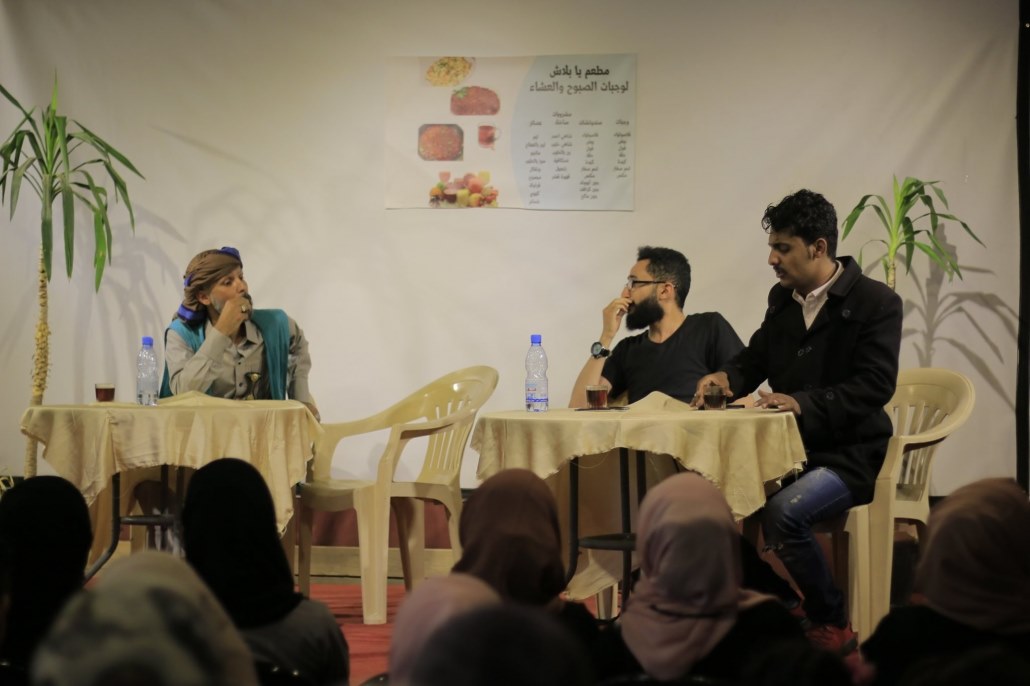
The second part of the play deals with the issue of women working in unusual occupations. The actress appeared in the role of a restaurant worker who hears different opinions about her work in a career that was restricted to men in the past.

After the end of the play, Amr Al-Hudhaifi talked about the different reactions that may be faced by breaking down societal barriers. There are always victims at the beginning of each change. Breaking the habit requires strength, courage and a strong motivation. Amr pointed to the Yemeni and Islamic history in which this distinction did not appear for men and women.

Abdel-Qawi Hassan wondered how we could change our negative perception of women’s work.History shows that women have proven themselves in strong business.They have ruled the markets and participated in battles, and women have only despised the exotic culture that they see as just a commodity.

Sarah Abdel Karim stated that we need to change our society’s perception of women, not just allowing them to break the taboo, and pointed out that a large number of girls in our country are still deprived of even education.

Nabil Kassem said that the work of women is not a decision sometimes, but a circumstance imposed, and the conviction of others is not necessary, it will work and continue its way in any case.

Amani al-Habashi pointed to those who view women as an entity linked to others, and not seen as an independent personality, and a stand-alone entity. Women in Yemen would one day prove themselves.

Asaad Kamel had a different opinion. He saw that there were professions specially for men and for women, and women should work in the place that suits them so as not to be harmed. Some employers exploit women’s work to attract customers.

Haifa Abdel Wahed said that women are helping to raise the economic level of their family and country in any work, even though they suffer from the inferior view.

Sara Al-Afif asked who decides whether the profession is suitable for women. She noted a stage where women were even deprived of voting, but they proved themselves and their merit. She emphasized that women were able to work in any field. It works not only because of material need, but because it has the right to work.

Jihad Babrik sent a letter to the woman asking her to learn how to defend herself when she decides to work in a socially unacceptable profession and to always put herself in respect.

Haifa Abdel Wahed said that women are helping to raise the economic level of their family and country in any work, even though they suffer from the inferior view.

Sara Al-Afif asked who decides whether the profession is suitable for women. She noted a stage where women were even deprived of voting, but they proved themselves and their merit. She emphasized that women were able to work in any field. It works not only because of material need, but because it has the right to work.

Jihad Babrik sent a letter to the woman asking her to learn how to defend herself when she decides to work in a socially unacceptable profession and to always put herself in respect.

Asaad Al-Kamel, who acted as a client in a restaurant where a woman works, participated in a discussion with other actors, expressing his opinion about the work of women, who should not work in a place where they are abused and ill-treated.

Nargis Abbad acted as the owner of the restaurant where the girl worked, defended her when she was abused, expelled her molesters, and then asked the girl to prove her character and learn how to defend herself strongly.

This play was the first interactive play organized by the Cultural Foundation , and had a significant impact on the interaction and participation of the public with Alternative views on the issues at hand. 
 

Event 397 -(Contrast)Art Exhibition – Alternative Views

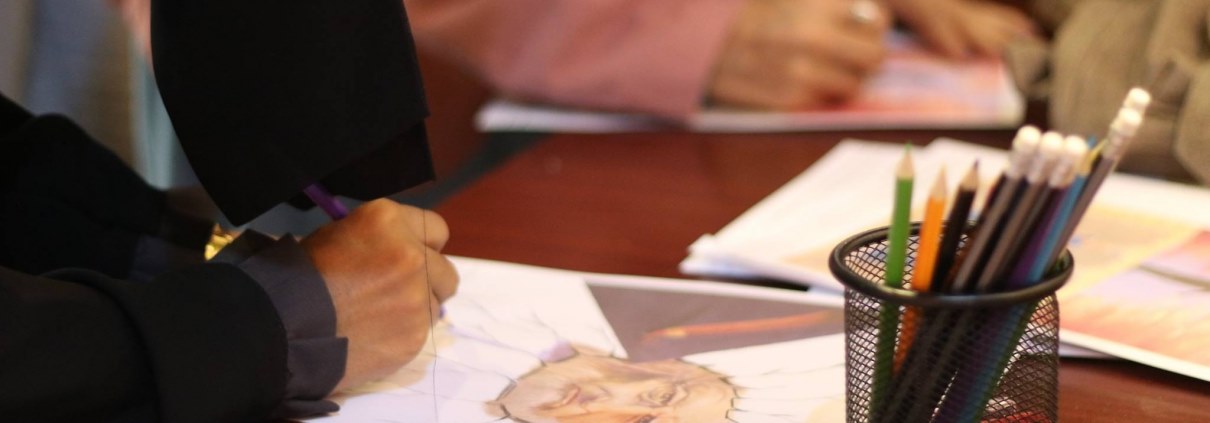
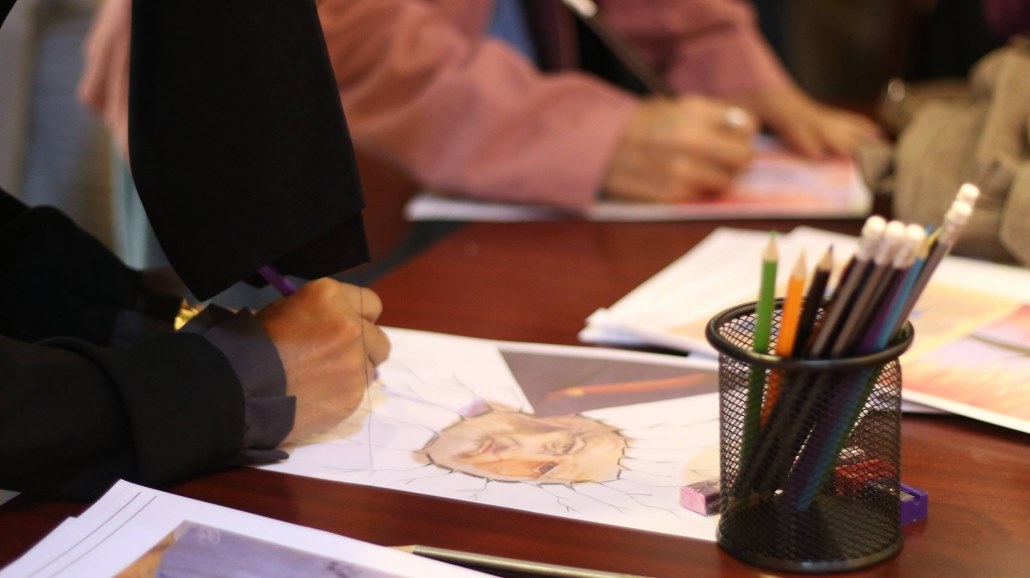
On Thursday, April 18, 2019, Basemant Cultural Foundation held a final art exhibition for the results of Alternative Views activity. The exhibition included 12 paintings each carrying a social issue previously adopted by a group of young men and women in previous workshops. The event began with a definition of activity and a review of 12 issues expressed by the chairmen of the four groups. The artists then explained the idea of their works to the public. In the latter, the Foundation asked the audience to interact with the paintings by adding and modifying the parts of the paintings. The aim of the activity is to reduce the gap between artists and young people and to try to integrate artists in the expression of issues of society.

Last Workshop for Artists in Alternative View

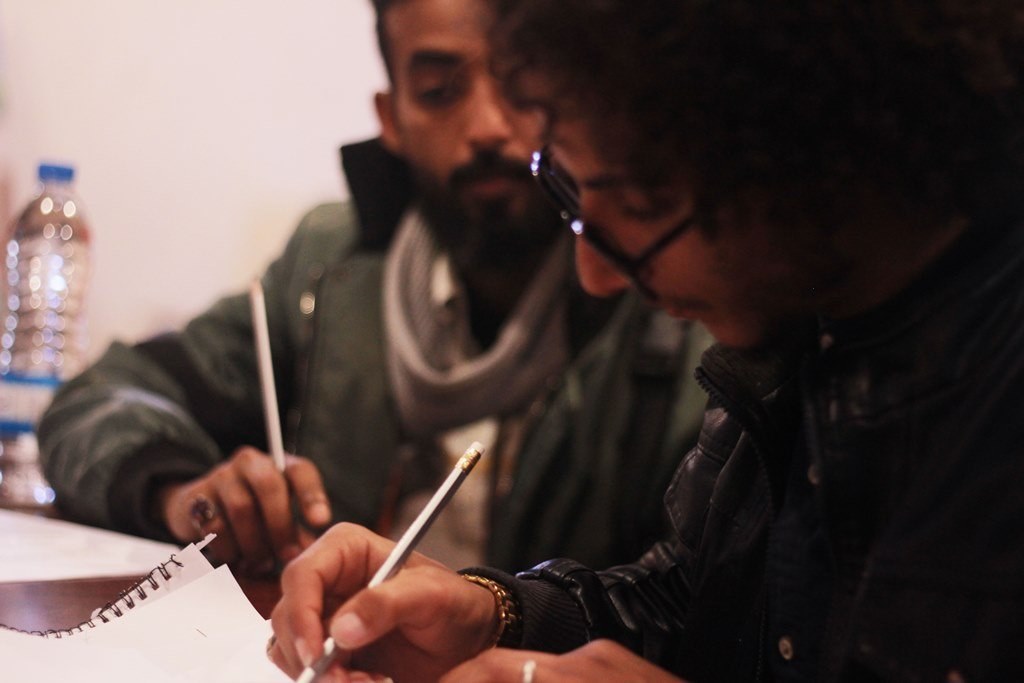
Thursday, March 28, at Basement Cultural Foundation, the drawing workshop on “Alternative Views” activity ended. 12 artists  participated in the production of paintings reflect the visions and ideas of 60 young men and women.
“Alternative Views” is an artistic activity in which Basement gathered 60 young men and women of different intellectual orientations and Yemeni regions and were grouped into four groups of 15 participants. Each group held three sessions to discuss various topics of interest to the community, selected by participants to come up with different perspectives that would help in developing practical solutions to the issues discussed. In the final stage, these visions were transformed into works of art and composition that will be presented to the public in a public event organized by the Foundation.

The second evaluation session of the works of art participating in the project of Alternative Views

The second evaluation session of the works of artists participating in the project, which is based on the transformation of societal issues – discussed by young men and women in previous discussion sessions – was held on Sunday, 18 February 2019, in the framework of a project entitled “Alternative Views”, which will be presented later at a special event organized by Basemant Cultural Foundation.

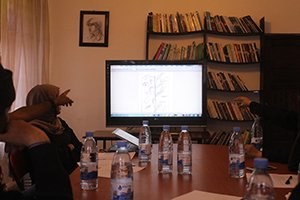
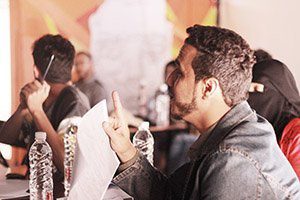
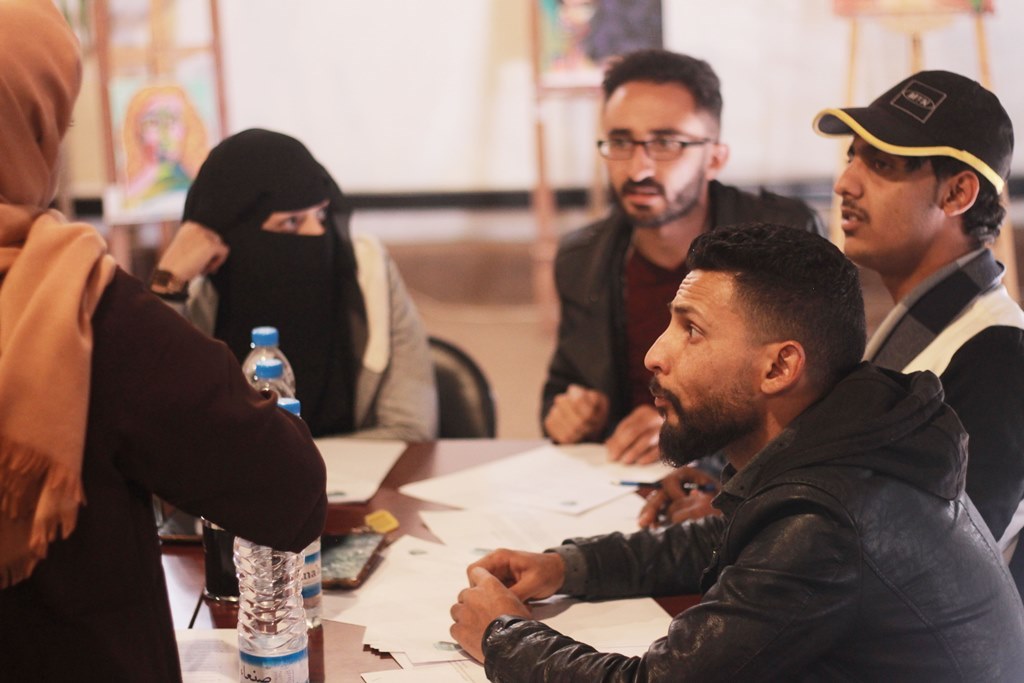
The second panel was attended by a group of professional artists to evaluate the works of art, and representatives of the groups participating in the discussion were present to assess the expression of the paintings on the issues they dealt with in different aspects.

Alternative Views Evaluation Workshop

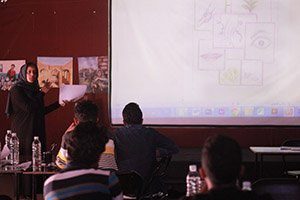
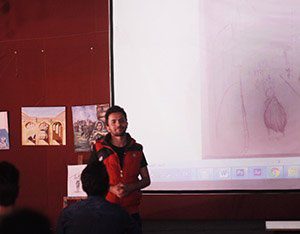
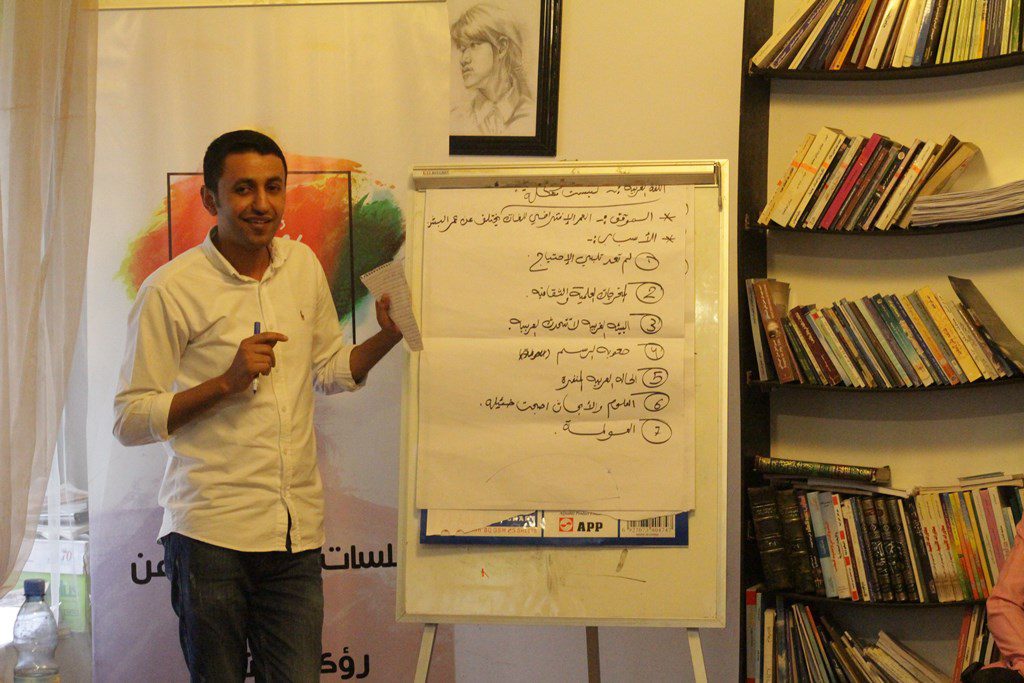
The “Alternative Views” project is targeting several artists and actors who participated in two previous workshops were chosen to change artworks of youth in discussion session into artworks, and acknowledge the transforming mechanisms in peer-to-peer dialogues. Facilitator Shaima Jamal have spoken about the artworks’ sketches proposed by participants, and articulated the most import criterion for an artworks that serves the projects aims which is how much does the artwork represents youths views on the selected issue(s) that youth have chosen in the discussion sessions. Jamal noted that discussions and notes for artists should not change the core of the artwork but rather to develop it to raise its quality. Art counselors in both theatre and beaux-arts will help in providing notes and artists in this session will provide a feedback on what they have comprehended of the artwork. Sketches were displayed by artists and actors, arts counselors and artists provided their notes and comments.


Launch workshops for artists in the project of Alternative Views

On Sunday and Monday, December 30-31, 2018 at the Basemant Cultural Foundation, two artistic workshops were held in the second phase of the “Alternative Views” project, in which 18 artists  participated in the fields of art and theater. Previously 60 young men and women in the first phase of the project, dealt with 12 community issues in various areas reviewed different aspects and effects and suggested solutions.

The participating artists reviewed these issues and suggested artistic ways to embody them. They presented sketches in the areas of painting and theater, and were given the opportunity to add amendments and notes to exchange experiences.

Shimaa Jamal, the facilitator of the workshops, said the main aim of the workshops is to introduce artists to the issues they will express in their work, and to present suggestions on the artistic patterns of these problems to stimulate their imagination. Artists share their ideas and experiences on these proposals. Noting that the next stage of the project will be the selection of a group of artists who participated in these workshops to provide works of art (12 paintings and a single interactive play) to be presented later in the events organized by Basemant.


Signal Opinion cannot fly – Alternative Vision

On Thursday morning, November 29, 2018, the Basement Cultural Foundation organized an Opening event for” Alternative Views” program in which the  Foundation is working on to transform issues of interest to the youth and the community into theatrical and artistic works. A group of young people participated in the program on issues discussed in the first stage . The event also included an art and photography exhibition for the art Booster team.

Jehad Babirik, Basemant’s activities, spoke about  “Alternative Views” program, in which 60 young men and women gathered to discuss issues they chose to express their views. Participants were selected through participation forms followed by interviews to select young men and women from different regions and orientations. The discussion groups emerged with reflective outcomes and youthful capacities on twelve issues discussed by four groups (15 young men and women in each group). Each group discussed three issues over three weeks.

Shema Jamal, Executive Director of Basemant Cultural Foundation, spoke about the program (Alternative Views) supported by the Prince Klaus Fund. It is based on transforming issues of interest to the youth and the community into interactive work and art to ensure that it is communicated to the public in an artistic way. To what extent artists can be involved in expressing issues of interest to society. Shaima stressed that the choice of participants was based on the criteria of intellectual and regional differences and ensuring the diversity of cultural and social backgrounds of participants.
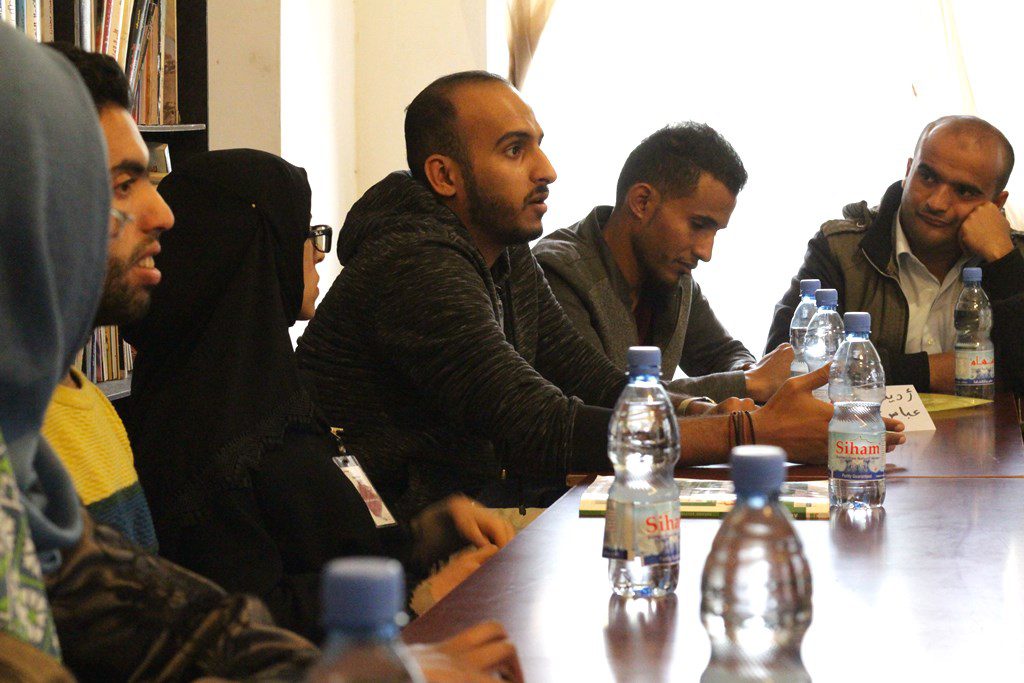
After that, four young men and women representing each of the groups participating in the activity (Alternative Views

) spoke about each of the issues discussed by the group and presented the main points discussed in the discussion and points to the differences between the participants and the solutions reached by the groups to solve each issue from multiple perspectives .


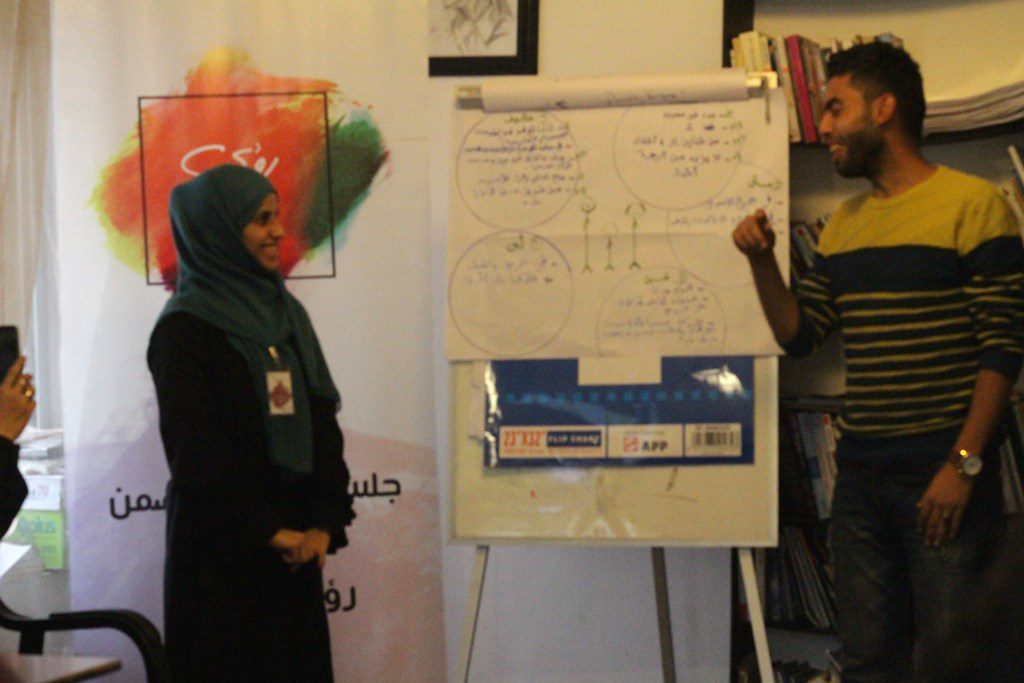
Session 12: Will Arabic be extinct?

Is the Arabic language a problem at the present time and must be corrected and returned to its former glory? Or is it no longer an important language, and should be addressed in other languages ​​such as English? Does Arabic represent identity and history or is it merely a means of communication? Is Arabic still important or has it lost its place in the English language, which has become a universal language and has become the scientific content on the Internet in English? Do you have to create important content in Arabic by translating or just learning other languages ​​and reading them in their native language?

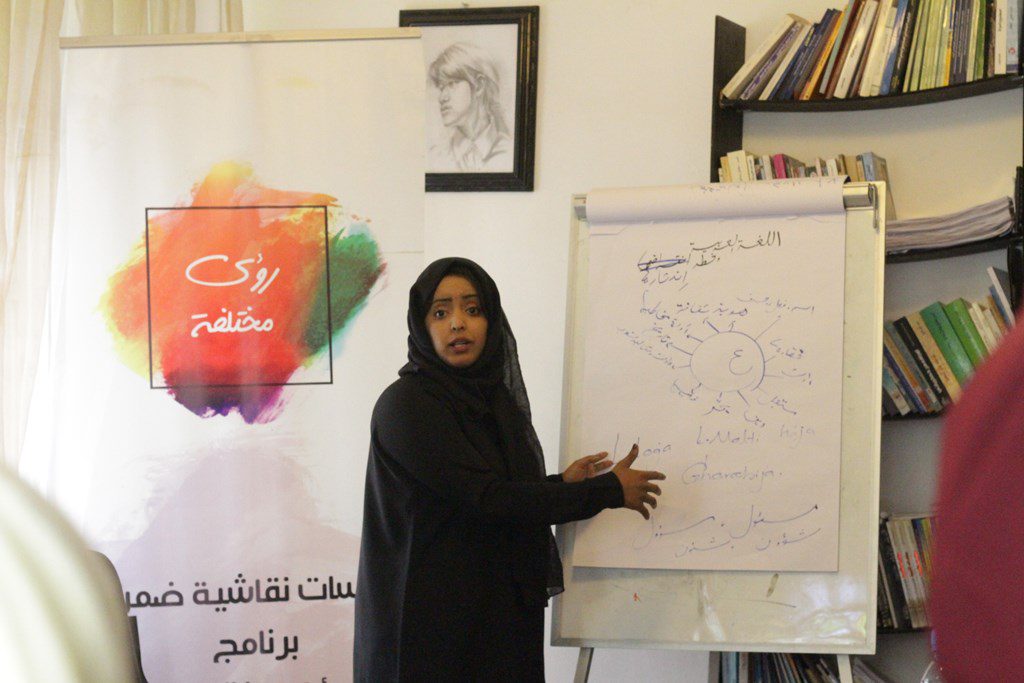
On Wednesday, November 7, 2018, discussions were held on the Youth Project (Alternative Views) organized by the Basemant Cultural Foundation with the support of the Prince Claus Fund. The fourth group (which included 15 participants) discussed the third topic chosen for discussion: Arabic language and the danger of its extinction), in which the participants discussed the subject of Arabic language, although it is an identity and heritage, or is it just a means of communication that lost its impact in an era in which civilizations merged and other languages ​​dominated the world of technology, science, knowledge and jobs.
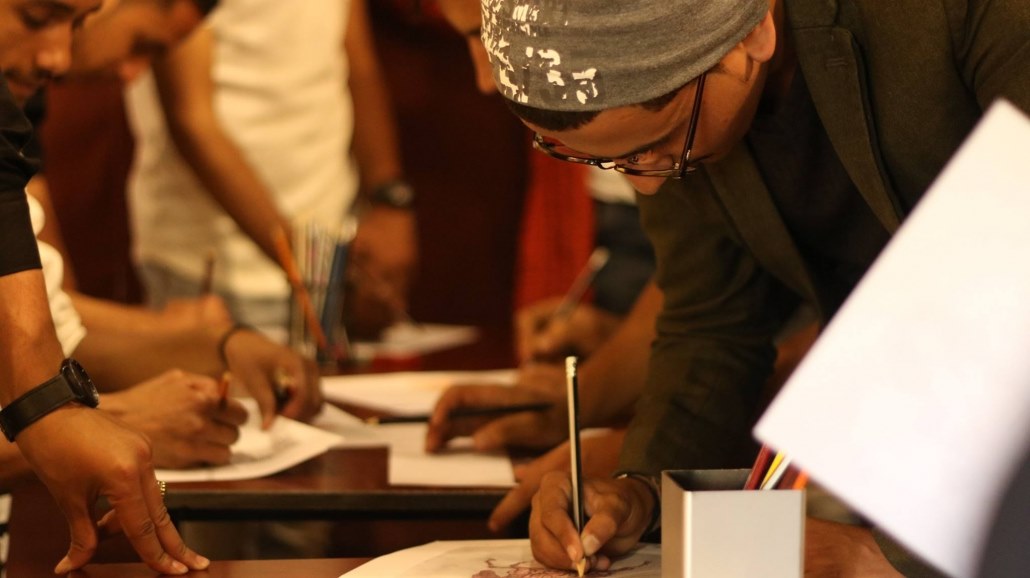
The participants divided into a team that is biased towards the Arabic language and defended it, and believed in its importance and the need to preserve it, and called to protect it from the sweep of other languages, and another team believes that the Arab lived the ages of glory in the past and time to make room for English, the strength of countries and excellence is what helps them to impose their language, And spread in the world.
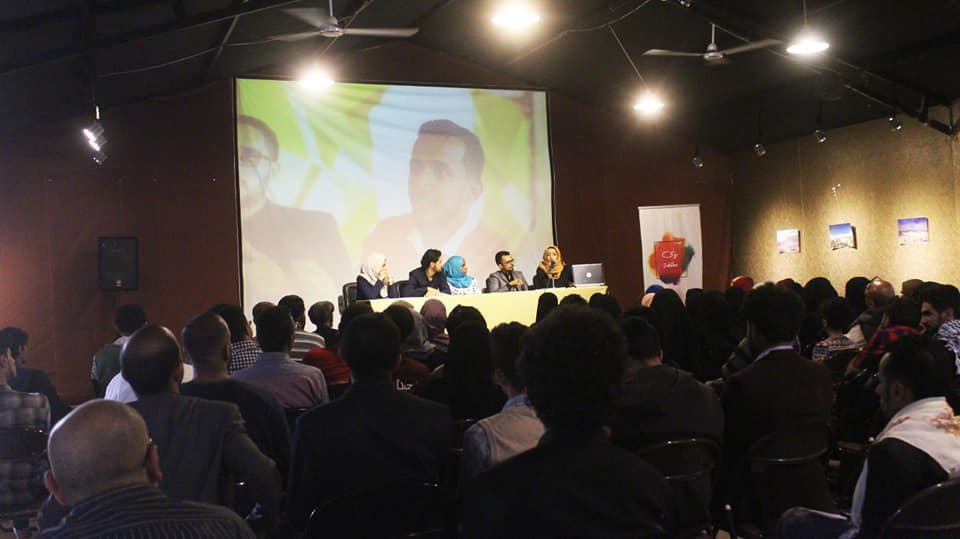
Each team presented its views, strongly defended its argument, presented the reasons why it adopted its position, and presented each of the solutions it saw as an occasion to restore the Arabic language to its place, or to promote interest in more useful languages ​​in the future.
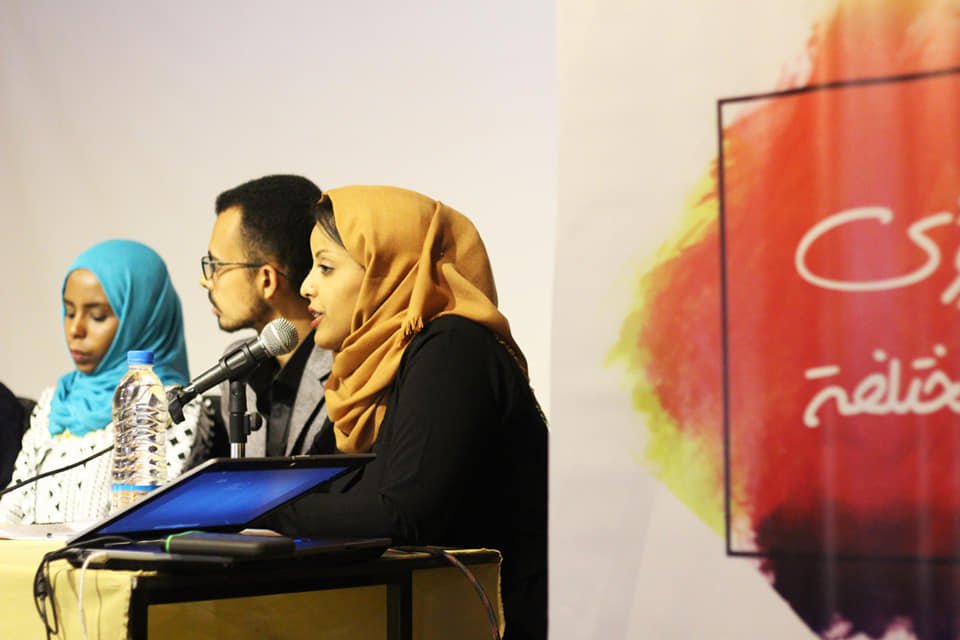
Session 11: Is family planning a solution?

Does Yemen suffer from the problem of increasing childbirth that affects the economic situation of the state and the economic, social and psychological situation of families? Why do some families increase their numbers? Do women think that having a lot of children enhances their marital relationship? Should laws be put in place to determine the maximum number of children per family? What is the role of the state and civil society in reducing childbearing?

Held on Tuesday, November 6th, 2018 discussion of the eleventh meeting in the youth project (Alternative visions), where the third group discussed the third theme chosen for discussion: (family) organization, the participants addressed the idea of ​​family planning, though important in Yemeni society, and is entitled to impose The number of individuals each child has, or there are other measures to control this process.

The participants agreed on the importance of family planning in the situation that is currently experienced by the country, but their vision of solutions differed, some of whom felt that the only solution is to raise awareness, while others felt that the existence of the law determines the number of children and deprives the family of certain privileges would be more feasible.

Participants in the discussion groups presented their different views on family planning, its importance and its impact on society, and proposed solutions that help reduce the number of births that are an economic burden on the family and the state.